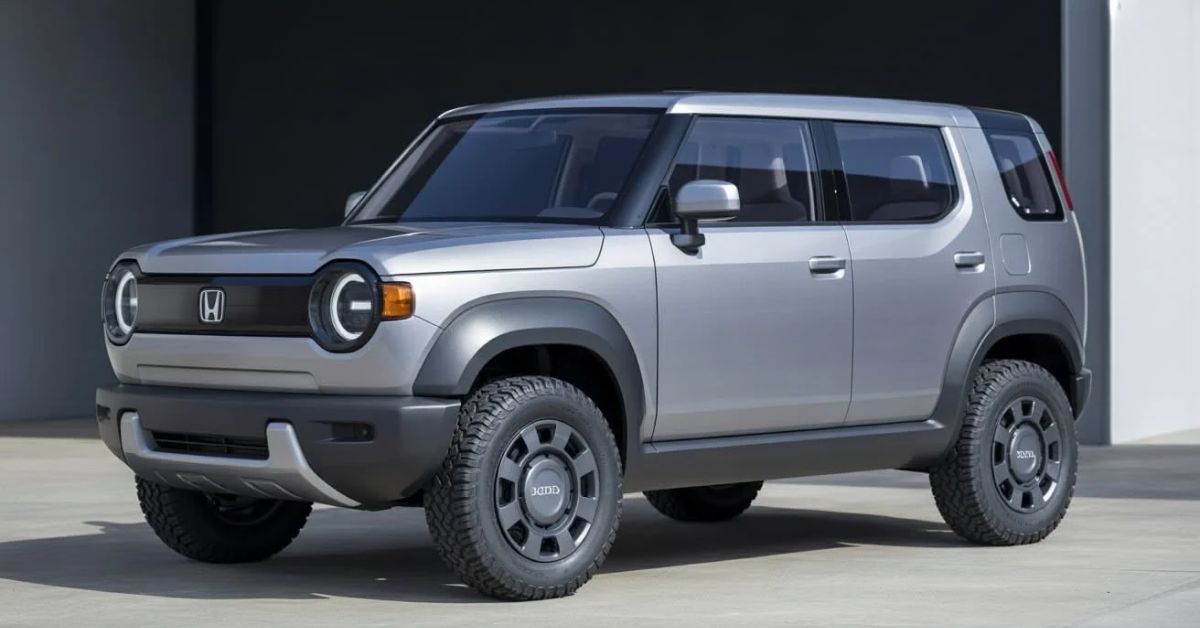
The Honda Crossroad is a compact SUV designed for drivers who need practical space and everyday comfort. Honda introduced the Crossroad name on two different SUVs. The first was a Land Rover-based model sold in Japan during the 1990s. The second was a boxy, seven-seat SUV launched in Japan in 2007 and discontinued in 2010.
Looking for a used SUV with a unique design and flexible seating? The second-generation Honda Crossroad is worth exploring. Its upright body gives it a distinctive look, while its three-row layout offers space for family trips. However, its age, fuel consumption, and availability of spare parts are important factors to consider before buying one.
In this Honda Crossroad review, we will explore its engine specifications, performance, fuel economy, exterior dimensions, and interior features. We will also cover its safety equipment, available trims, used prices, and maintenance needs. This guide will help you understand the Crossroad’s strengths and limitations before making a buying decision.
Honda Crossroad Key Features
The Honda Crossroad is a compact SUV known for its boxy shape and practical design. The second-generation model launched in Japan in 2007. It offered three rows of seats and room for up to seven passengers. Its upright body also made it look different from many rounded SUVs of that period.
One of the key features of the Honda Crossroad is its flexible cabin. Buyers could choose between a 1.8-liter and a 2.0-liter petrol engine. The 1.8-liter engine produces around 140 horsepower, while the 2.0-liter version produces around 150 horsepower. Depending on the model, buyers could also get front-wheel drive or Honda’s Real Time 4WD system.
The Crossroad also offers useful features for daily driving. Its raised body provides a higher seating position than many regular cars. The rear seats can fold to create more room for luggage and other items. However, equipment varies by trim and model year. Buyers should check the exact vehicle for features such as climate control, airbags, and factory audio equipment before purchasing a used Honda Crossroad.
Engine Specs and Performance
The second-generation Honda Crossroad came with two petrol engine options. The first was a 1.8-liter four-cylinder engine, known by the code R18A. It produced around 140 horsepower and 174 Nm of torque. The second option was a 2.0-liter four-cylinder engine with the code R20A. It delivered around 150 horsepower and 190 Nm of torque. Both engines used Honda’s i-VTEC technology to balance power and fuel efficiency.
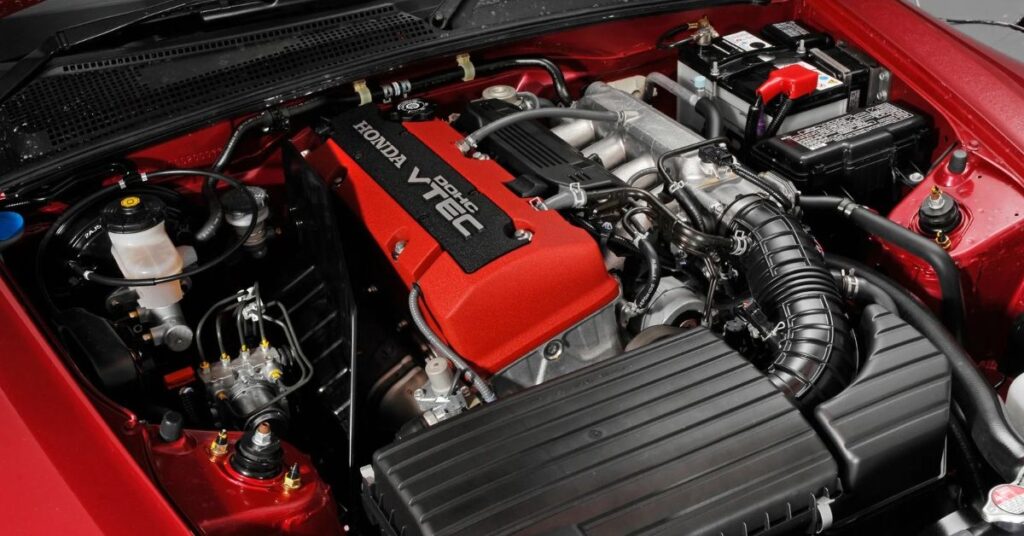
The Honda Crossroad used a five-speed automatic transmission with both engine options. Front-wheel drive was available, while selected models offered Honda’s Real Time 4WD system. The 1.8-liter engine provides enough power for regular city driving and daily commuting. The 2.0-liter engine offers more torque, which can help when carrying passengers or driving on hills. However, neither engine makes the Crossroad a high-performance SUV.
On the road, the Crossroad focuses on practical driving rather than sporty acceleration. Its compact size helps drivers handle city streets and parking spaces. The suspension is designed to provide a comfortable ride on normal roads. Its 4WD versions can offer extra traction on slippery surfaces, but the vehicle is not a dedicated off-road SUV. Engine condition, transmission maintenance, and service history are important when buying a used Honda Crossroad.
Transmission and Drivetrain
The second-generation Honda Crossroad uses a five-speed automatic transmission. Honda paired this gearbox with both the 1.8-liter and 2.0-liter petrol engines. It shifts gears automatically, making the SUV easy to drive in city traffic. There is no manual transmission option in this generation. The automatic gearbox also suits daily commuting and family trips.
The Honda Crossroad was available with front-wheel drive and Honda’s Real Time 4WD system. Front-wheel-drive models send engine power to the front wheels. They are suitable for normal city roads and highway travel. The 4WD system can send power to the rear wheels when extra traction is needed. This helps on wet roads and some loose surfaces, although the Crossroad is not designed for serious off-road driving.
The transmission and drivetrain can affect the vehicle’s long-term reliability. Buyers should check for delayed gear changes, unusual noises, and fluid leaks before purchasing a used Crossroad. The 4WD system also needs proper inspection and maintenance. A complete service history can help reveal whether the previous owner cared for the gearbox and drivetrain. Regular maintenance helps keep these systems working smoothly.
Fuel Economy
The Honda Crossroad offers reasonable fuel economy for a compact SUV with a petrol engine and seven-seat capacity. Its second generation came with 1.8-liter and 2.0-liter engine options. The 1.8-liter engine generally uses less fuel than the larger engine. However, actual fuel consumption depends on the vehicle’s condition, driving style, traffic, and road conditions.
In city driving, the Honda Crossroad can use more fuel because of frequent stops and slow traffic. Highway driving usually allows the engine to run more efficiently at steady speeds. The 4WD version may also consume more fuel than the front-wheel-drive model. Since the Crossroad is an older vehicle, worn spark plugs, dirty air filters, and poor engine maintenance can further reduce fuel efficiency.
Buyers should check the fuel economy of the exact model before purchasing a used Honda Crossroad. Ask the seller about recent fuel consumption and maintenance records. You can also measure mileage by recording the distance driven and the fuel used over a full tank. Regular servicing, correct tire pressure, and smooth acceleration can help improve fuel efficiency. Actual mileage varies, so treat advertised figures as estimates rather than guarantees.
Exterior Design and Dimensions
The second-generation Honda Crossroad has a boxy and upright exterior design. Honda launched this model in Japan in 2007. Its square body, wide grille, and large windows give it a rugged appearance. The front features clear headlamps and a simple bumper design. Its straight roofline also helps create more headroom inside the cabin. Unlike many rounded SUVs, the Crossroad has a distinctive shape.
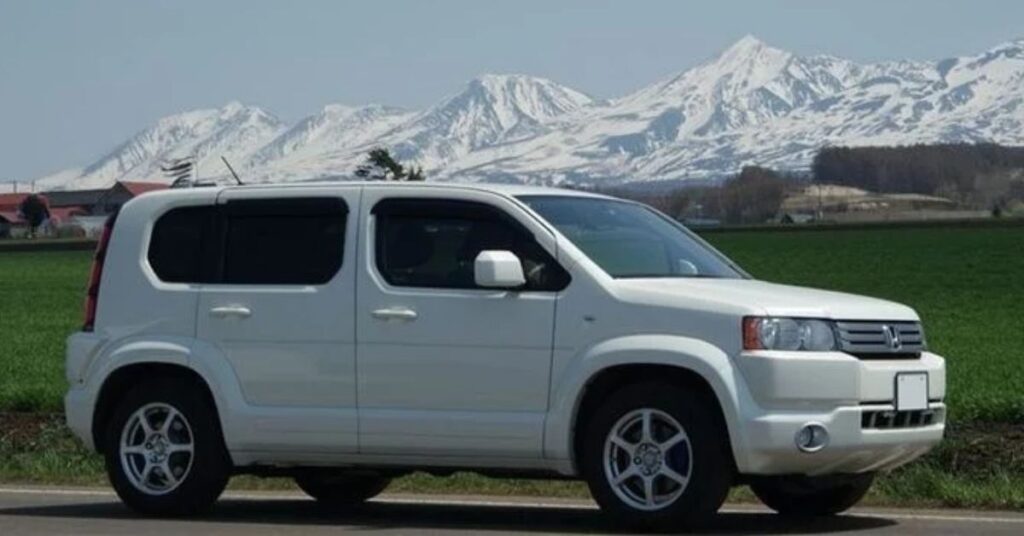
The Honda Crossroad measures approximately 4,285 mm in length, 1,755 mm in width, and 1,670 mm in height. Its wheelbase measures about 2,700 mm. These dimensions give it a compact footprint while allowing space for three rows of seats. Ground clearance is approximately 175 mm, depending on the version. Its relatively short body also makes it easier to park than many larger seven-seat SUVs.
The exterior design focuses on space and everyday practicality rather than luxury styling. Large side windows help improve visibility for the driver and passengers. The rear section has a simple tailgate and upright shape. Some versions feature alloy wheels and different exterior trim details. Buyers should check the model year and trim because equipment can vary. When inspecting a used Honda Crossroad, look for rust, damaged body panels, and signs of previous accident repairs.
Honda Crossroad Generations
The Honda Crossroad name has been used for two different SUV generations. The first model appeared in 1993 and was based on the Land Rover Discovery. Honda sold it in Japan through a partnership with Rover. This model featured a rugged design and strong off-road ability. Honda later introduced a completely different Crossroad in 2007. The second-generation model had a boxy shape, three rows of seats, and a more compact body for everyday driving.
- First generation (1993–1998): Based on the Land Rover Discovery, this SUV featured a 3.9-liter V8 petrol engine and four-wheel drive.
- Second generation (2007–2010): Designed for the Japanese market, it offered 1.8-liter and 2.0-liter four-cylinder petrol engines, a five-speed automatic transmission, and seating for up to seven people.
These generations differ in their design, engines, and intended use. The first-generation Crossroad focused more on rugged off-road driving. The second generation suited families who wanted a compact SUV with flexible seating. Buyers should identify the correct generation before researching specifications, spare parts, or used prices.
Interior and Comfort
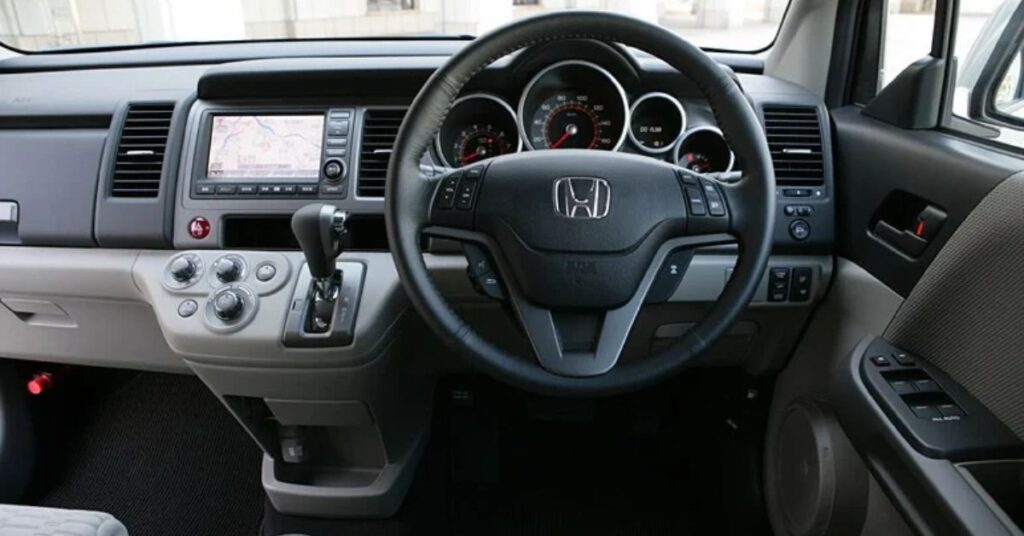
The Honda Crossroad has a practical interior with a simple dashboard layout. Its upright design creates a spacious feel for a compact SUV. The driver gets a clear view of the road from the raised seating position. The dashboard places the main controls within easy reach. Depending on the trim, the cabin may include automatic climate control, power windows, and a factory audio system. The overall design focuses more on usefulness than luxury.
The second-generation Honda Crossroad offers seating for up to seven passengers. Its three-row layout suits families and daily travel. The front seats provide a comfortable driving position, while the second row offers useful space for passengers. The third row is smaller and works better for children or shorter trips. The rear seats can fold down when extra luggage space is needed. This flexibility makes the Crossroad useful for shopping, school runs, and weekend journeys.
Interior features vary by model year and trim level. Some versions offer fabric seats and basic equipment, while higher trims may include additional comfort features. Buyers should check the seat condition, air conditioning, and electrical controls when inspecting a used model. It is also worth testing the folding seats and checking for unusual cabin noises. Since the Crossroad is an older SUV, signs of wear can differ greatly between individual vehicles.
Cargo Space and Utility
The Honda Crossroad offers practical cargo space for daily use. Its boxy body and upright roof help make the cabin useful for carrying different items. The SUV has three rows of seats and can accommodate up to seven passengers. However, luggage space becomes limited when all seats are in use. This is common in compact SUVs with three-row seating.
The rear seats can fold down to create more room for shopping bags, suitcases, and larger items. Owners can adjust the seating layout to suit their needs. With fewer passengers, the Crossroad provides more space for groceries, sports equipment, or travel bags. Its wide rear opening also helps when loading everyday items. The flat, practical cabin layout makes it useful for family activities and regular errands.
The Honda Crossroad suits drivers who need flexible seating and occasional extra cargo space. However, buyers should check the available luggage room in person before purchasing one. The space behind the third row may not suit families carrying several large suitcases. It is also important to inspect the rear seats and folding mechanisms in a used model. A well-maintained Crossroad can remain a useful choice for everyday transport and weekend trips.
Technology and Infotainment
The Honda Crossroad features a simple technology setup that reflects its production period from 2007 to 2010. Its dashboard has easy-to-reach controls and a practical layout. Depending on the trim, the SUV may include a factory audio system, radio, CD player, and steering-wheel audio controls. These features support everyday driving without making the cabin complicated to use.
Some Honda Crossroad versions offer automatic climate control and other convenience features. However, equipment varies by model year and trim level. Modern features such as Apple CarPlay, Android Auto, and built-in smartphone connectivity were not standard features when this SUV was new. Owners can add an aftermarket touchscreen or Bluetooth system to improve connectivity. These upgrades can make music playback and hands-free calls more convenient.
Buyers should test the infotainment and electrical systems before purchasing a used Honda Crossroad. Check the speakers, audio controls, display, and air conditioning. If the vehicle has an aftermarket stereo, confirm that it works correctly with the original wiring. Also, inspect any added cameras or parking sensors. Since these SUVs are now older, previous modifications and repairs may affect how well the technology works.
Safety Features
The Honda Crossroad includes several safety features designed to protect the driver and passengers. Depending on the model and trim, it can come with front airbags, anti-lock braking system (ABS), and electronic brake-force distribution (EBD). These systems help the driver maintain control during sudden braking. The Crossroad also has a strong body structure designed to protect in a collision. However, its safety equipment reflects the technology available when it was produced between 2007 and 2010.
Some versions of the Honda Crossroad may offer additional features, such as side airbags and stability control. Equipment can vary by trim and market, so buyers should check the exact vehicle specifications. The SUV’s raised seating position provides a clear view of the road. Its large windows can also help with visibility when changing lanes or parking. However, drivers should not rely on visibility alone when navigating busy roads.
Before buying a used Honda Crossroad, inspect its airbags, seat belts, brakes, and tires. Check whether the ABS warning light turns off after starting the engine. It is also important to look for signs of previous accident repairs. Modern driver assistance systems may be absent, so buyers should not expect features such as automatic emergency braking or lane-keeping assistance. A professional inspection can help identify safety problems before purchase.
Price and Ownership Costs
The price of a used Honda Crossroad depends on its model year, trim, condition, and mileage. Since Honda discontinued the second-generation model in 2010, buyers can only find it in the used-car market. Prices also vary by country and local demand. In Japan, the Crossroad is available as a used import, while prices in other markets may include shipping costs, import duties, and registration fees.
Ownership costs include fuel, regular servicing, repairs, and replacement parts. The 1.8-liter engine may cost less to run than the 2.0-liter version, depending on driving conditions. The five-speed automatic transmission and available 4WD system also need proper maintenance. Older vehicles may require new tires, suspension parts, batteries, or engine components. Buyers should keep some money aside for unexpected repairs.
Before purchasing a used Honda Crossroad, compare several listings and inspect the vehicle carefully. Check its service history, engine condition, transmission performance, and bodywork. If you are buying an imported model, confirm that its documents and registration are valid. Spare parts availability can vary by location, so check local suppliers before making a decision. A well-maintained Crossroad can offer practical family transport, but its total ownership cost depends heavily on its condition and maintenance history.
Honda Crossroad Trims and Models
The second-generation Honda Crossroad was available in several trims when Honda launched it in Japan in 2007. The main options included the 18L, 18X, 18L X Package, 20X, and 20Xi. These trims used either a 1.8-liter or a 2.0-liter petrol engine. Buyers could also choose between front-wheel drive and Real Time 4WD on selected versions. Equipment and drivetrain options varied by trim and model year.
The 18-series models used the 1.8-liter R18A engine, while the 20-series models featured the 2.0-liter R20A engine. Higher-spec versions could offer additional convenience and interior features. Honda updated the available equipment during the Crossroad’s production run from 2007 to 2010. The table below summarizes the main model options. Exact specifications can differ by year and drivetrain.
| Trim or model | Engine | Drivetrain options | Key details |
| Honda Crossroad 18L | 1.8L R18A petrol | FWD / selected 4WD versions | Entry-level model with practical equipment |
| Honda Crossroad 18L X Package | 1.8L R18A petrol | FWD / selected 4WD versions | Added convenience and styling equipment, depending on year |
| Honda Crossroad 18X | 1.8L R18A petrol | FWD / selected 4WD versions | Mid-range option with a balance of features and practicality |
| Honda Crossroad 20X | 2.0L R20A petrol | FWD / selected 4WD versions | Larger engine with more torque |
| Honda Crossroad 20Xi | 2.0L R20A petrol | FWD / selected 4WD versions | Higher-spec 2.0-liter model with additional equipment, depending on year |
Note: The second-generation Honda Crossroad used a five-speed automatic transmission. Before buying a used model, check its chassis details, original trim, engine code, and drivetrain. This helps confirm the factory specifications and avoid confusion between imported versions.
Maintenance and Spare Parts
The Honda Crossroad needs regular maintenance to keep its engine and transmission in good condition. Both the 1.8-liter R18A and 2.0-liter R20A petrol engines need timely oil changes and routine servicing. Owners should also check the air filter, spark plugs, coolant, and brake fluid. Regular inspections can help identify small problems before they become expensive repairs. Since the second-generation Crossroad was produced from 2007 to 2010, the condition of each used vehicle matters greatly.
Spare parts availability depends on your location. Common service items, such as oil filters, air filters, brake pads, and spark plugs, may be easier to find than model-specific body parts. Some components are shared with other Honda models, but buyers should confirm compatibility before ordering them. Parts for the automatic transmission and Real Time 4WD system may require more careful sourcing. Imported parts can also increase repair costs and waiting times.
Before buying a used Honda Crossroad, check its service records and inspect the engine for oil leaks. Test the automatic transmission for smooth gear changes. If you choose a 4WD version, have its drivetrain inspected by a qualified mechanic. Also, check the suspension, steering, tires, and underbody for wear or rust. Finding a reliable mechanic and checking local parts suppliers can make long-term ownership easier and help you manage maintenance costs.
Conclusion
The Honda Crossroad is a practical SUV with a unique boxy design and flexible seating for up to seven people. Its 1.8-liter and 2.0-liter petrol engines offer different power options for daily driving. The spacious cabin, folding rear seats, and available 4WD system make it useful for families. However, its age, fuel consumption, and limited availability of some spare parts are important factors to consider.
Buying a used Honda Crossroad can be a good choice if you find a well-maintained model at a fair price. Check the engine, automatic transmission, suspension, and service history before making a decision. Also, compare local prices and confirm spare parts availability. With proper maintenance, the Crossroad can provide practical transport for everyday journeys and family trips.
FAQs
1. Is the Honda Crossroad a good SUV?
Yes, the Honda Crossroad is a practical SUV with flexible seating, useful cabin space, and a distinctive design. Its condition is important when buying a used model.
2. What engine options does the Honda Crossroad offer?
The second-generation Honda Crossroad offers a 1.8-liter R18A petrol engine and a 2.0-liter R20A petrol engine.
3. How many passengers can the Honda Crossroad carry?
The second-generation Honda Crossroad can seat up to seven passengers across three rows.
4. What transmission does the Honda Crossroad use?
It uses a five-speed automatic transmission. Depending on the version, it comes with front-wheel drive or Real Time 4WD.
5. Is the Honda Crossroad fuel-efficient?
Its fuel economy depends on the engine, drivetrain, traffic, and vehicle condition. The 1.8-liter version may use less fuel than the 2.0-liter model.
No Responses