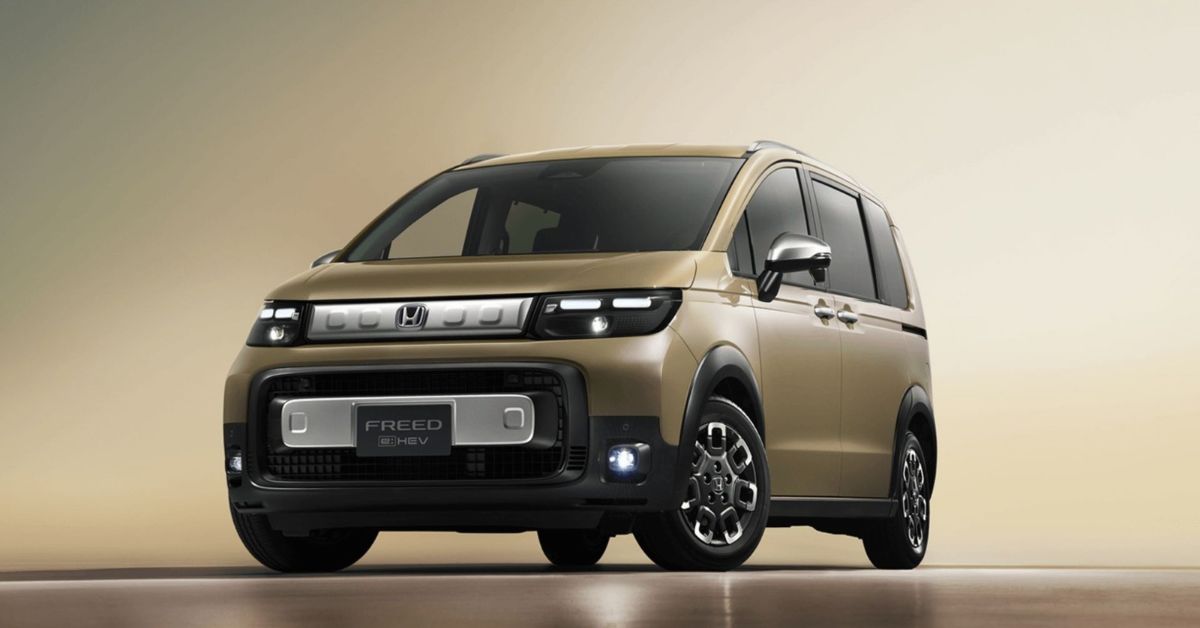
The Honda Freed is a compact MPV designed for families and daily travel. It offers a spacious cabin, flexible seating, and practical sliding doors. Honda has sold the Freed in different generations, with petrol and hybrid options depending on the model year and market.
Looking for a family car that fits into tight city spaces but still offers room for passengers? The Honda Freed is worth considering. Its compact size makes parking easier, while its three-row seating helps accommodate larger families. Hybrid versions also offer better fuel efficiency than many conventional petrol models.
In this review, we will explore the Honda Freed’s generations, engine specifications, hybrid system, fuel economy, and driving performance. We will also cover its exterior design, interior space, technology, safety features, trims, and price. This guide will help you understand the Freed’s key features and decide whether it suits your needs.
Honda Freed Model History
Honda introduced the Freed in 2008 as a compact family MPV. It replaced the Honda Mobilio in Japan. The Freed used a small body with a spacious cabin and sliding rear doors. Its design made it useful for city driving and family trips. Honda offered different seating layouts to meet various needs.
The second-generation Honda Freed arrived in 2016. It received a cleaner exterior design, improved cabin space, and updated features. Honda also offered a hybrid version with its Sport Hybrid i-DCD system in selected markets. Buyers could choose different trims and seating layouts, depending on the model and market.
Honda launched the third-generation Freed in Japan in 2024. This generation introduced a more modern design and updated equipment. Honda offered Air and Crosstar versions with different styling details. Hybrid models use Honda’s e: HEV system, while petrol versions are also available. These changes helped the Freed remain a practical choice for families who need flexible seating and compact dimensions.
Honda Freed Generations
The first-generation Honda Freed was launched in 2008. It used a 1.5-liter petrol engine and a five-speed automatic transmission in many versions. Honda offered six- and seven-seat layouts, along with an eight-seat option in some models. Its sliding rear doors made it easier for passengers to enter and exit in tight parking spaces. A hybrid version was added in Japan in 2011.
The second-generation Honda Freed arrived in 2016. It featured a more modern body design and a better-equipped cabin. Petrol models used a 1.5-liter engine, while hybrid versions featured Honda’s Sport Hybrid i-DCD system. Buyers could choose front-wheel drive or all-wheel drive in selected versions. Honda also offered the Freed+ model, which focused on flexible cargo space.
The third-generation Honda Freed debuted in Japan in June 2024. It introduced a simpler exterior design and updated interior features. Honda offered two main styles: the standard Air and the more rugged Crosstar. Petrol versions use a 1.5-liter engine, while e: HEV models combine a petrol engine with electric motors. Seating layouts and equipment vary by version.
Engine Specs and Performance
The Honda Freed uses a 1.5-liter four-cylinder petrol engine in its recent generations. In the third-generation model launched in 2024, the petrol engine produces around 118 PS in Japanese-market versions. It delivers smooth power for city driving and everyday travel. The engine suits drivers who need a practical family vehicle rather than a high-performance MPV.
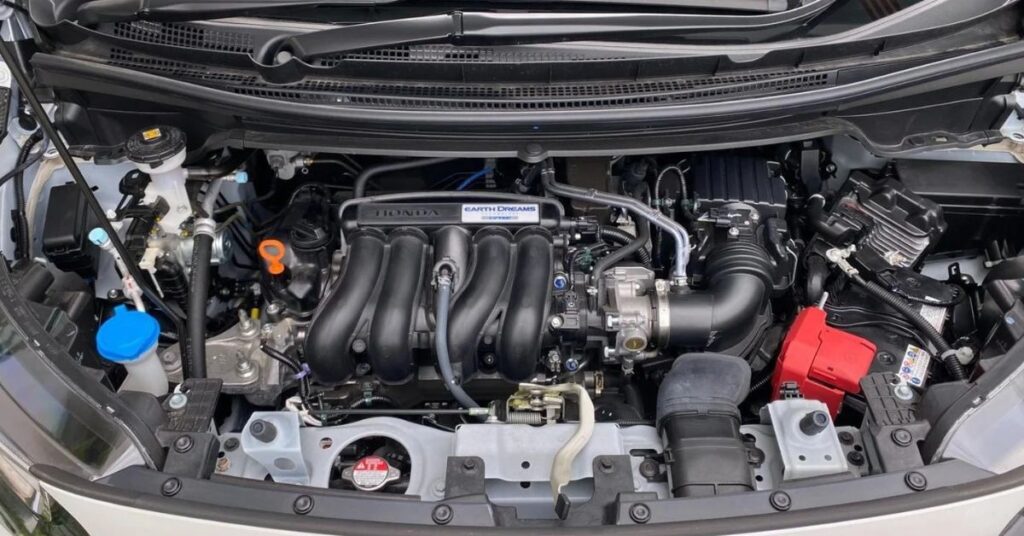
Honda also offers the Freed with its e: HEV hybrid system. This setup combines a 1.5-liter petrol engine with electric motors. The electric drive provides smooth acceleration at low speeds. The petrol engine helps supply power when needed and supports longer journeys. Hybrid performance and output can vary by model year and specification.
The Honda Freed focuses on comfort, easy handling, and practical driving. Its compact size helps drivers move through narrow streets and park in crowded areas. The petrol version uses a continuously variable transmission (CVT), while hybrid models use Honda’s hybrid drive system. Front-wheel drive is available, and selected versions offer all-wheel drive. Overall, the Freed provides enough performance for daily commutes, school runs, and family trips.
Hybrid System and Fuel Economy
The Honda Freed offers a hybrid option for drivers who want to save fuel. Recent models use Honda’s e: HEV system, which combines a 1.5-liter petrol engine with electric motors. The system often uses electric power to drive the wheels at low and moderate speeds. The petrol engine supports the system when more power is needed. This setup helps provide smooth acceleration in city traffic.
Fuel economy depends on the model year, drivetrain, and driving conditions. The third-generation Honda Freed e: HEV has an official Japanese WLTC fuel economy rating of around 25.3–25.6 km/L in some front-wheel-drive versions. All-wheel-drive models generally achieve lower figures. Real-world fuel consumption can also change with traffic, passenger loads, air conditioning, and driving habits.
The hybrid Freed can be a practical choice for families who drive regularly in busy cities. Its system can reduce petrol use compared with a similar petrol-only model. Drivers do not need to plug in the standard hybrid version because it charges its battery through the vehicle’s own system. For the best fuel savings, smooth acceleration and regular maintenance are helpful.
Transmission and Handling
The Honda Freed uses different transmission systems depending on the model and generation. Petrol versions of the latest model use a continuously variable transmission (CVT). This transmission delivers smooth acceleration and helps keep the engine running efficiently. Hybrid models use Honda’s e: HEV system, which manages power from the petrol engine and electric motors. The exact setup depends on the selected version.
The Honda Freed is designed for comfortable daily driving rather than sporty performance. Its compact body makes it easy to drive through narrow streets and crowded city areas. The steering feels light at low speeds, which helps with parking and tight turns. Its suspension also helps absorb bumps on ordinary roads. These features make it suitable for family trips and daily commutes.
Honda offers the Freed with front-wheel drive and, in selected versions, all-wheel drive. Front-wheel-drive models suit most urban driving needs. All-wheel-drive versions can provide extra traction on slippery roads. However, the Freed is not designed for serious off-road use. Overall, its transmission and handling focus on ease of driving, comfort, and everyday practicality.
Exterior Design and Dimensions
The Honda Freed has a compact design with a tall roof and a practical body shape. Its large windows provide good visibility for the driver and passengers. The front design varies by trim, with the Air version offering a clean look and the Crosstar featuring a more rugged style. Sliding rear doors make entry and exit easier in narrow parking spaces. These features give the Freed a useful design for family travel.
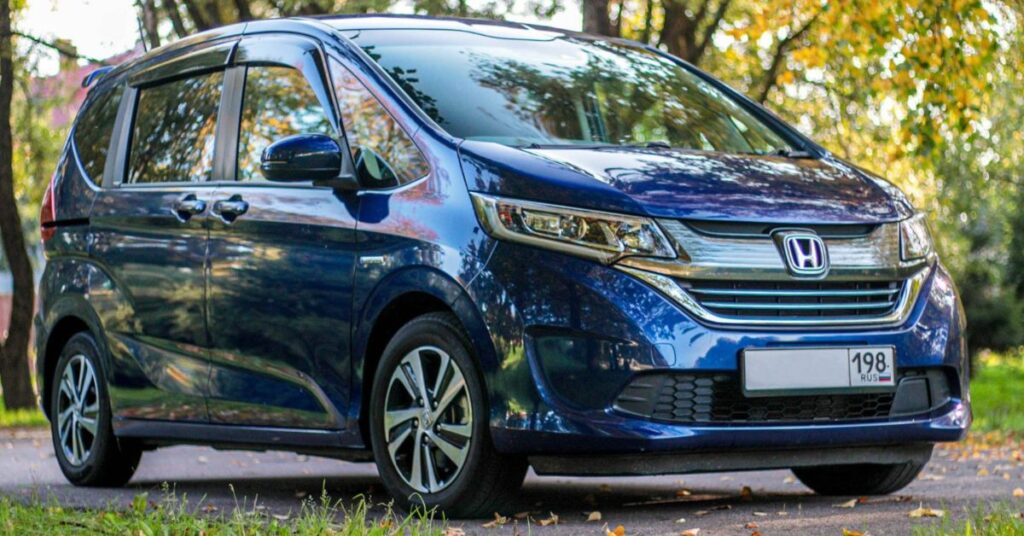
The third-generation Honda Freed measures approximately 4,310 mm in length in the standard Air version. Its width is about 1,695 mm, and its height is around 1,755 mm for selected front-wheel-drive models. The Crosstar version is slightly wider, at approximately 1,720 mm. Dimensions can vary depending on the trim and drivetrain. Its compact size helps drivers handle busy streets and limited parking areas.
The Honda Freed also has a practical wheelbase of about 2,740 mm. This helps create useful cabin space without making the vehicle too long. Its tall body supports a comfortable seating position and easy access to the cabin. The Crosstar version adds rugged exterior details for a stronger appearance. Overall, the Freed balances compact dimensions with the space families need for everyday journeys.
Interior and Seating
The Honda Freed has a simple and practical interior. Its tall roof creates a roomy feeling for passengers. The dashboard uses a clean layout, with controls placed within easy reach of the driver. Large windows help bring natural light into the cabin. Depending on the trim, features may include automatic climate control, comfortable fabric seats, and a central touchscreen.
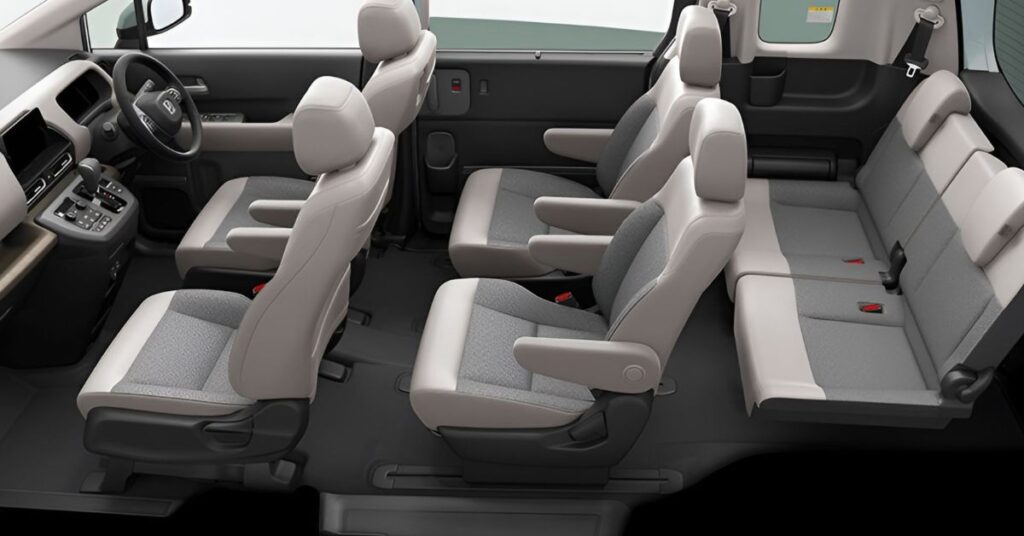
The Honda Freed offers different seating layouts to suit family needs. Many versions provide six or seven seats across three rows. Six-seat models often feature captain’s chairs in the second row, while seven-seat versions use a bench seat. The second-row seats can slide to provide more legroom or easier access to the rear. Wide sliding doors also make it easier for children and older passengers to enter the vehicle.
The third row is useful for children and shorter journeys with adults. Space can feel limited when all seats are occupied, especially for taller passengers. The rear seats can be folded in selected versions to create more room for luggage and shopping bags. Interior materials and equipment vary by generation and trim. Overall, the Honda Freed offers flexible seating and practical comfort for everyday family travel.
Infotainment and Connectivity
The Honda Freed offers practical infotainment features for everyday driving. Equipment varies by generation and trim. Recent models can include a central touchscreen, Bluetooth connectivity, and USB ports. These features help drivers connect their phones and play music. The dashboard layout keeps important controls easy to reach.
Some Honda Freed models support smartphone integration through Apple CarPlay or Android Auto, depending on the installed system and market. These features can provide access to maps, calls, messages, and compatible music apps. Drivers should check the specific model’s equipment before buying. Older versions may have a smaller display or a basic audio system instead.
The Honda Freed also offers useful features for passengers on family trips. USB charging ports can help keep mobile devices powered during longer journeys. Steering-wheel controls are available on selected versions, allowing drivers to adjust audio settings more easily. The infotainment system is designed for convenience rather than complicated operation. Overall, its connectivity features help make daily travel more comfortable and enjoyable.
Rivals and Alternatives
The Honda Freed competes with compact MPVs that offer flexible seating, sliding doors, and good fuel economy. Its main rivals include the Toyota Sienta, Suzuki Solio, and Mitsubishi Delica D:2 in the Japanese market. Each model has its own strengths in cabin space, efficiency, and features. The best choice depends on your budget, passenger needs, and driving habits.
The Toyota Sienta is a close alternative because it offers three-row seating and a hybrid option. The Suzuki Solio is smaller and suits drivers who mainly travel in cities. The Mitsubishi Delica D:2 focuses on compact dimensions and practical cabin space. Here is a comparison of these models with the Honda Freed.
| Model | Seating | Powertrain Options | Main Strength |
| Honda Freed | 5, 6, or 7 seats, depending on version | 1.5L petrol or hybrid | Flexible seating and easy access |
| Toyota Sienta | 5 or 7 seats | Petrol or hybrid | Family-friendly cabin and fuel efficiency |
| Suzuki Solio | 5 seats | Petrol or mild hybrid, depending on year | Compact size and city driving |
| Mitsubishi Delica D:2 | 5 seats | Petrol or mild hybrid, depending on year | Practical layout and sliding doors |
| Toyota Roomy | 5 seats | 1.0L petrol, including turbo versions | Tall cabin and easy parking |
Specifications and equipment vary by model year and market. The Honda Freed is a strong option for families who need three rows without choosing a large minivan. The Toyota Sienta is its closest rival, while the Solio and Roomy may suit smaller households better. Compare seating layouts, fuel economy, safety equipment, and local parts availability before making a decision.
Honda Freed Trims and Models
The Honda Freed comes in different trims and configurations, depending on the generation and market. In the third generation, launched in Japan in 2024, buyers can choose between the Air and Crosstar styles. The Air focuses on a clean, family-friendly design, while the Crosstar has a more rugged appearance. Both styles offer practical cabin space and sliding rear doors. Petrol and e: HEV hybrid powertrains are available, depending on the version.
The main Honda Freed models offer different features and seating arrangements. Buyers should check the model year because equipment and drivetrain options can change. Here are the key versions to consider:
- Honda Freed Air: Features a simple exterior design and practical equipment for family use.
- Honda Freed Crosstar: Offers rugged styling, distinctive exterior details, and a more adventurous look.
- Honda Freed e:HEV: Uses a hybrid system that combines a petrol engine with electric motors for better fuel efficiency.
- Honda Freed Petrol: Provides conventional petrol power for drivers who prefer a non-hybrid model.
- Honda Freed+ (previous generation): Focuses on flexible cargo space and a two-row layout instead of the standard three-row arrangement.
Seating capacity, safety features, and available equipment depend on the selected trim and model year. Buyers should compare the exact specifications before purchasing a new or used Honda Freed.
Safety Features
The Honda Freed offers safety features designed to protect passengers during daily travel. Equipment varies by generation, trim, and market. Recent models include Honda Sensing on selected versions. This suite can provide features such as collision mitigation braking, lane departure warning, and adaptive cruise control. These systems help drivers notice hazards and respond to changing road conditions.
The Honda Freed also includes important basic safety equipment. Depending on the model, this may include multiple airbags, anti-lock braking (ABS), electronic brake distribution, and vehicle stability assistance. A rearview camera and parking sensors are available on selected versions. These features can help drivers park more safely and maintain control during sudden stops or slippery conditions.
The third-generation Honda Freed, introduced in Japan in 2024, offers updated driver-assistance technology on equipped models. However, not every feature comes standard across all versions. Buyers should check the exact trim and model year before making a decision. A used Freed should also be inspected for accident damage, airbag condition, and any outstanding safety recalls. Regular maintenance helps keep its safety systems working properly.
Honda Freed Price Guide
The price of the Honda Freed depends on its model year, trim, engine, and condition. Newer models usually cost more than older versions. Hybrid models may also have a higher purchase price than petrol versions. The Air and Crosstar trims can differ in price because of their styling and equipment.
In Japan, the third-generation Honda Freed launched in 2024 with petrol and e: HEV hybrid options. Its original starting prices were ¥2,508,000 for the petrol Air and ¥2,857,800 for the hybrid e: HEV Air. These are launch prices, not current quotes. Used models from earlier generations can be more affordable, depending on mileage and condition.
In Pakistan, the final cost can include the vehicle price, shipping, customs duties, and registration fees. Import rules and exchange rates can also affect the total. Before buying, check the service history, mileage, and spare parts availability. For hybrid models, inspect the battery and hybrid system. These checks can help you choose a Honda Freed that fits your budget.
Conclusion
The Honda Freed is a practical family MPV with flexible seating, sliding doors, and a spacious cabin. It offers petrol and hybrid options to suit different driving needs. Its compact size makes city driving and parking easier. Features such as modern safety technology and useful connectivity options add to its appeal. However, equipment and performance vary by generation and trim.
The Honda Freed is a good choice for families who need comfort and everyday practicality in a compact vehicle. The hybrid version may suit drivers who want better fuel economy. Before buying, compare different models, check maintenance records, and review the total cost. Choosing the right version will help you get the best value from your Honda Freed.
FAQs
1. Is the Honda Freed a good family car?
Yes, the Honda Freed is a practical family car with flexible seating, sliding doors, and a spacious cabin.
2. What engine does the Honda Freed use?
Recent models offer a 1.5-liter petrol engine or a 1.5-liter petrol-hybrid system, depending on the version.
3. What is the fuel economy of the Honda Freed Hybrid?
Some third-generation front-wheel-drive hybrid models achieve an official Japanese WLTC rating of around 25 km/L. Actual fuel economy varies with driving conditions.
4. How many passengers can the Honda Freed accommodate?
Depending on the generation and configuration, the Honda Freed can seat five, six, or seven passengers.
5. Is the Honda Freed available in Pakistan?
The Honda Freed may be available through used-car imports and local import dealers. Availability, prices, and import requirements depend on current market conditions.
No Responses