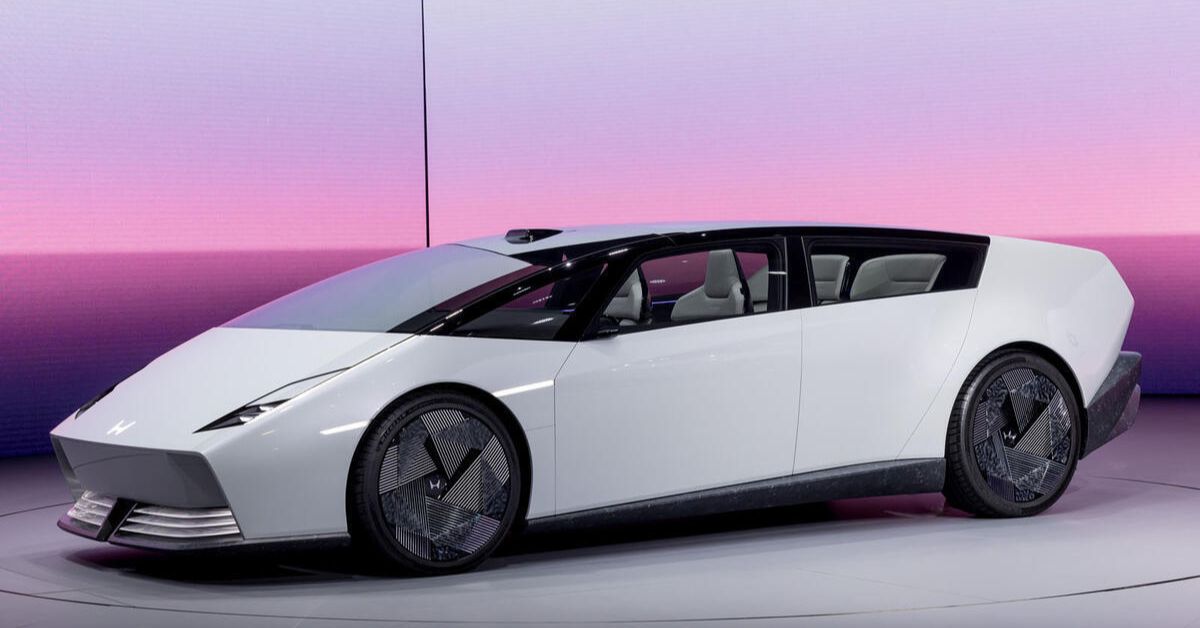
The Honda EV Plus was one of Honda’s first fully electric cars. It was designed to produce zero tailpipe emissions. Honda introduced it to explore electric vehicle technology. The car showed Honda’s early vision for clean and efficient transportation.
Electric vehicles are more popular than ever today. Many people want to learn how modern EVs began. The Honda EV Plus played an important role in that journey. It helped Honda gain valuable experience in electric car development.
In this guide, you will learn about the Honda EV Plus in simple words. We will cover its features, specifications, battery, driving range, and performance. You will also discover its history, design, and the latest updates. This article will help you understand why the EV Plus remains an important part of Honda’s electric vehicle story.
History of the Honda EV Plus
The Honda EV Plus was introduced in 1997. It was Honda’s first production electric vehicle. The car was developed to test clean transportation. It showed Honda’s interest in reducing emissions and improving electric mobility.
Honda built the EV Plus during a time when electric cars were still rare. The vehicle used a nickel-metal hydride battery, which was advanced for its time. Most models were offered through lease programs instead of regular sales. This helped Honda collect real-world data and improve future EV technology.
Production of the EV Plus ended in 1999. Even though it was available for only a short time, it became an important part of Honda’s history. The lessons learned from the EV Plus helped shape Honda’s later hybrid and electric vehicles. Today, it is remembered as one of the pioneers of modern electric cars.
Honda EV Plus Features
The Honda EV Plus offered several advanced features for its time. It had a fully electric motor that produced zero tailpipe emissions. The car delivered smooth and quiet driving. It was designed for daily city travel and short commutes.
The EV Plus used a nickel-metal hydride battery. This battery provided a useful driving range for its era. The car also included regenerative braking. This system helped recharge the battery while slowing down and improved energy efficiency.
Inside, the EV Plus had a simple and practical cabin. It offered comfortable seating and easy-to-use controls. The dashboard displayed important driving and battery information. These features made the EV Plus a smart example of Honda’s early electric vehicle technology.
Honda EV Plus Battery and Range
The Honda EV Plus used a nickel-metal hydride (NiMH) battery. This battery was one of the most advanced options available in the late 1990s. It stored more energy than many older battery types. It also helped improve the car’s overall efficiency.
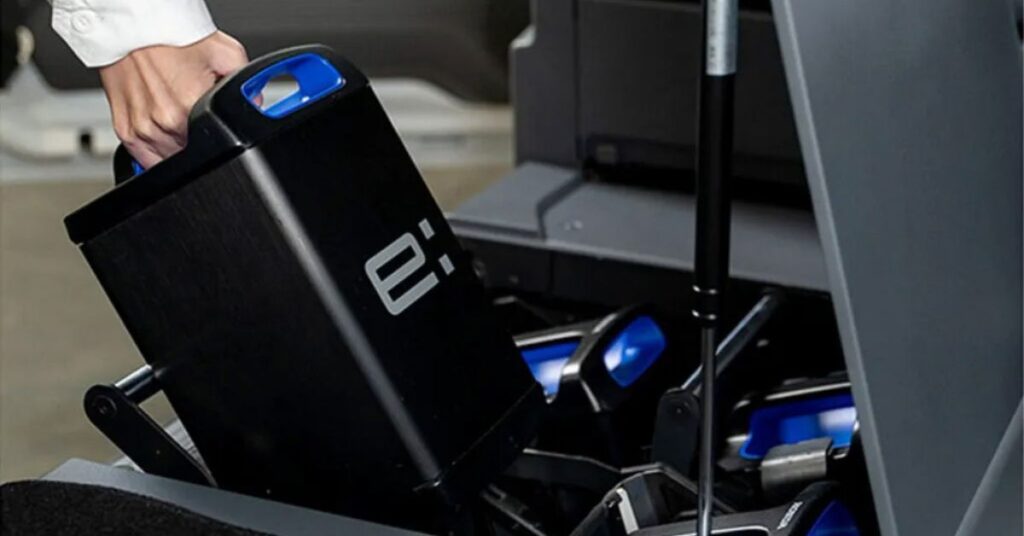
The EV Plus offered an estimated driving range of about 80 to 100 miles on a full charge. The actual range depended on driving habits, road conditions, and weather. City driving often helped save more energy. Careful driving could also increase the available range.
Charging the battery took several hours with the charging equipment available at the time. Fast charging was not common during the late 1990s. Even so, the EV Plus proved that electric cars could handle everyday trips. Its battery technology also helped Honda develop future electric and hybrid vehicles.
EV Plus Specifications
The Honda EV Plus was designed as a compact electric hatchback. It offered smooth performance and zero tailpipe emissions. The car used a single-speed transmission and front-wheel drive. Its lightweight design helped improve driving efficiency and battery range.
Here are some of the main specifications of the EV Plus:
- Body Style: 4-door hatchback
- Powertrain: Fully electric
- Battery Type: Nickel-metal hydride (NiMH)
- Motor Output: Around 66 hp
- Driving Range: About 80–100 miles (129–161 km)
- Transmission: Single-speed automatic
- Drive Type: Front-wheel drive
- Top Speed: Around 80 mph (129 km/h)
- Seating Capacity: 4 passengers
- Production Years: 1997–1999
Performance and Handling
The Honda EV Plus delivered smooth and quiet performance. Its electric motor provided instant torque from a standstill. This made the car feel responsive in city traffic. It was designed for comfortable daily driving rather than high-speed performance.
The EV Plus used front-wheel drive and a single-speed transmission. There was no need to shift gears while driving. The steering felt light and easy to control. Its compact size also made parking and turning simple.
The car offered a stable and comfortable ride on normal roads. The low position of the battery helped improve balance and handling. Regenerative braking recovered some energy as the vehicle slowed down. These features made the Honda EV Plus enjoyable and efficient for everyday use.
Interior and Comfort
The Honda EV Plus had a simple and practical interior. The cabin was designed for everyday driving. The seats were comfortable and provided good support. Large windows also gave the driver a clear view of the road.
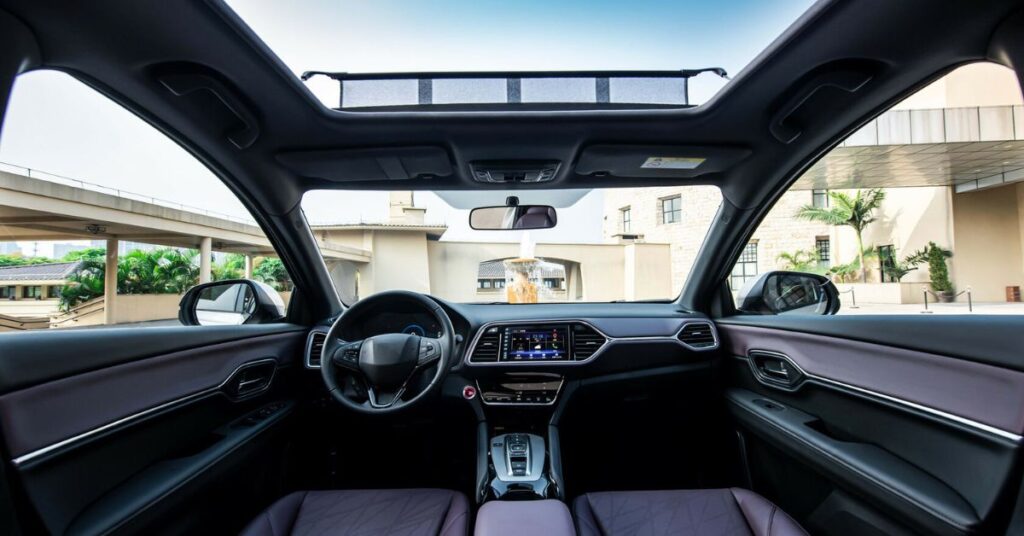
The dashboard had an easy-to-read layout. Important information, such as battery level and speed, was displayed clearly. The controls were simple and within easy reach. This made the car easy to drive, even for first-time EV owners.
The Honda EV Plus offered enough space for four passengers. It also had a useful cargo area for small bags and daily items. The quiet electric motor made the cabin more peaceful. Overall, the interior focused on comfort, convenience, and ease of use.
Exterior Design
The Honda EV Plus had a clean and simple exterior design. Its compact shape made it easy to drive in cities. The smooth body lines helped improve aerodynamics. The overall look was modern for its time.
The front of the car featured a simple grille and large headlights. The rounded shape reduced air resistance and improved efficiency. Honda also used lightweight aluminum body panels. This helped reduce the car’s overall weight.
The Honda EV Plus had four doors and a practical hatchback design. The wide windows improved visibility for the driver. Its compact size made parking easier in tight spaces. Even today, the EV Plus retains a unique design that reflects Honda’s early vision for electric vehicles.
Technology and Safety
The Honda EV Plus included advanced technology for its time. It used a fully electric powertrain with a nickel-metal hydride battery. The car also featured regenerative braking to recover energy while slowing down. The dashboard displayed useful information about speed, battery level, and driving status.
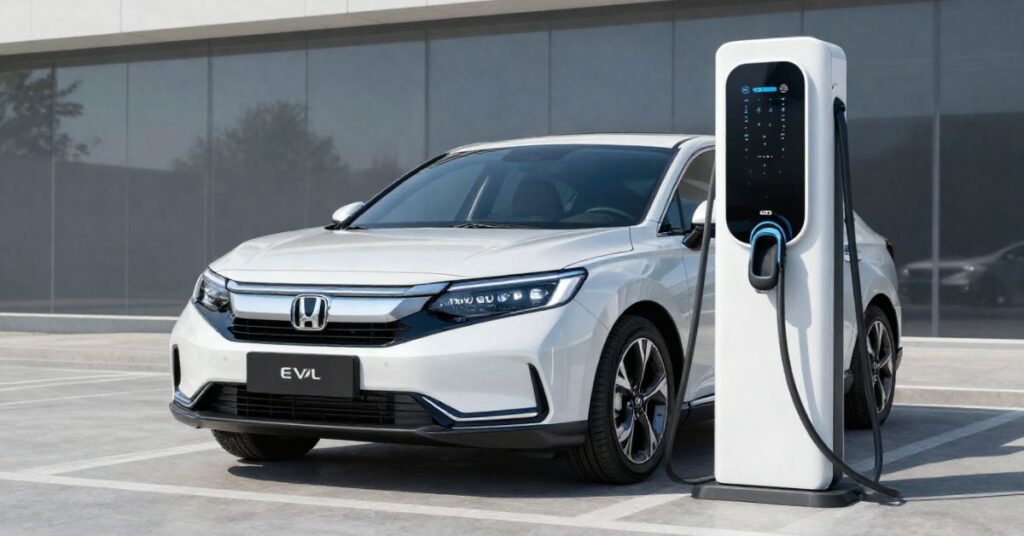
Honda designed the EV Plus with simple and reliable technology. The controls were easy to understand and operate. The electric motor delivered smooth and quiet performance. These features made the car practical for everyday driving.
The Honda EV Plus also included important safety features. It came with seat belts, airbags, and an anti-lock braking system (ABS) on many models. Its strong body structure helped protect passengers during a collision. These safety features gave drivers more confidence on the road.
Honda EV Plus Price
The Honda EV Plus is no longer available as a new car. Honda produced it between 1997 and 1999. Most models were leased instead of sold. As a result, very few vehicles remain in private ownership today.
The original estimated value of the Honda EV Plus was around $53,000 USD when it was introduced, although it was primarily offered through lease programs rather than direct sales. Today, there is no fixed market price because the car is extremely rare. When one appears for sale, it may cost between $20,000 and $60,000 USD, depending on its condition, mileage, and historical significance.
If you plan to buy a Honda EV Plus, check classic car auctions and specialty dealers. Prices can vary because only a small number of vehicles still exist. A well-maintained model with original parts is usually worth more. Always inspect the vehicle carefully before making a purchase.
Honda EV Plus vs Modern EVs
The Honda EV Plus was one of the first modern electric cars. It proved that electric vehicles could be practical for daily driving. Modern EVs, however, offer better battery technology, longer driving range, and faster charging. They also include more advanced safety and infotainment features.
Even though the Honda EV Plus is older, it remains an important part of EV history. It helped Honda gain experience in electric vehicle development. Today’s electric cars are more powerful, comfortable, and efficient. The comparison below shows how the Honda EV Plus differs from a typical modern EV.
| Feature | Honda EV Plus | Modern EVs |
| Production Years | 1997–1999 | Current models |
| Battery Type | Nickel-metal hydride (NiMH) | Lithium-ion or LFP |
| Driving Range | 80–100 miles (129–161 km) | 250–400+ miles (402–644+ km) |
| Charging Speed | Several hours | Fast charging in 20–40 minutes (to 80%) |
| Motor Power | About 66 hp | 150–1,000+ hp |
| Top Speed | Around 80 mph (129 km/h) | 100–200+ mph (161–322+ km/h) |
| Transmission | Single-speed | Single-speed |
| Drive Type | Front-wheel drive | FWD, RWD, or AWD |
| Regenerative Braking | Yes | Yes, more advanced |
| Infotainment | Basic display | Large touchscreen with smartphone integration |
| Safety Features | Airbags and ABS | Advanced driver assistance systems (ADAS) |
| Software Updates | Not available | Over-the-air (OTA) updates |
| Availability | Rare collector vehicle | Widely available worldwide |
| Best For | Collectors and EV enthusiasts | Daily driving and long-distance travel |
Maintenance and Reliability
The Honda EV Plus is known for its simple electric powertrain. It has fewer moving parts than a gasoline car. This reduces the need for regular engine maintenance. Routine checks still help keep the car in good condition.
The battery is the most important part of the Honda EV Plus. Since the car is more than 25 years old, the battery may have lost some of its original capacity. Owners should also inspect the brakes, tires, suspension, and electrical system. Regular servicing helps improve safety and reliability.
Finding replacement parts for the Honda EV Plus can be difficult because it is a rare vehicle. Some parts may only be available through specialty suppliers or collectors. A well-maintained model can still provide a smooth and dependable driving experience. Proper care also helps preserve its value as a classic electric car.
Market Value and Availability
The Honda EV Plus is a rare electric vehicle today. Honda produced it in limited numbers between 1997 and 1999. Most cars were leased instead of sold. This makes surviving models difficult to find.
The market value of the Honda EV Plus depends on its condition, mileage, and originality. Well-maintained models are more valuable to collectors. A rare example may sell for $20,000 to $60,000 USD or more. Prices can vary because so few vehicles remain.
You may find a Honda EV Plus through classic car auctions or specialty dealers. It is not commonly available at regular used car dealerships. Buyers should check the battery condition and service history before purchasing. A complete and original vehicle is usually worth more.
Legacy of the Honda EV Plus
The Honda EV Plus holds a special place in Honda’s history. It was one of the company’s first production electric vehicles. The car showed Honda’s commitment to clean transportation. It also proved that electric cars could be practical for everyday driving.
Although the Honda EV Plus was produced for only a short time, it made a lasting impact. The experience gained from this model helped Honda improve its hybrid and electric vehicle technology. Many ideas tested in the EV Plus influenced later Honda models.
Today, the Honda EV Plus is remembered as an important pioneer of modern electric vehicles. It is admired by car enthusiasts and collectors around the world. Its rarity and historical value make it a unique part of automotive history. The EV Plus remains a symbol of Honda’s early innovation in electric mobility.
Conclusion
The Honda EV Plus was an important step in Honda’s electric vehicle journey. It introduced new technology and showed that electric cars could be practical. Although it is no longer in production, it remains a key part of automotive history. Its innovative design continues to inspire EV enthusiasts.
Today, the Honda EV Plus is valued for its history and rarity. It helped shape the future of Honda’s hybrid and electric vehicles. Whether you are a collector or simply interested in electric cars, the EV Plus is worth learning about. It remains a symbol of Honda’s early commitment to clean and efficient transportation.
FAQs
1. What is the Honda EV Plus?
The Honda EV Plus is Honda’s first production electric vehicle. It was produced from 1997 to 1999 and featured a fully electric powertrain.
2. What is the driving range of the Honda EV Plus?
The Honda EV Plus offers an estimated driving range of 80 to 100 miles (129–161 km) on a full charge, depending on driving conditions.
3. What type of battery does the Honda EV Plus use?
The Honda EV Plus uses a nickel-metal hydride (NiMH) battery, which was advanced technology when the car was introduced.
4. How much does a Honda EV Plus cost today?
Because it is a rare collector’s vehicle, used models typically sell for $20,000 to $60,000 USD, depending on condition and originality.
5. Why is the Honda EV Plus important?
The Honda EV Plus helped Honda develop future hybrid and electric vehicles. It is considered one of the early pioneers of modern electric cars.
No Responses