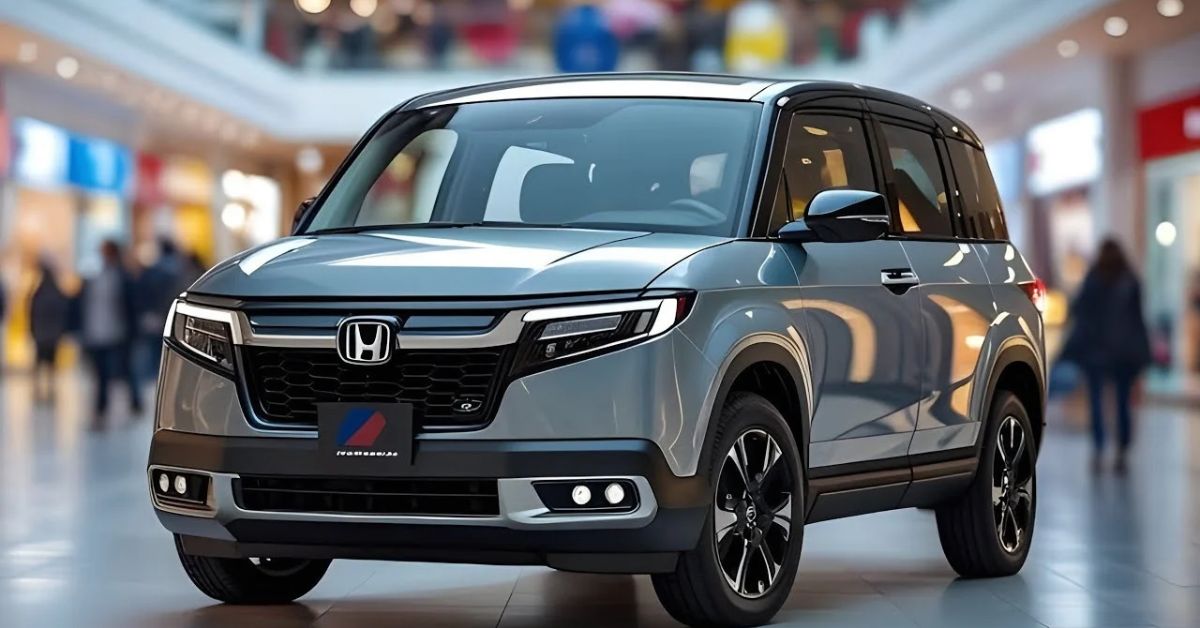
The Honda Element is a compact SUV made by Honda from 2003 to 2011. It was built with a boxy shape and a practical cabin. The Element offered flexible seating, easy cargo access, and a simple design. It was available with four-cylinder power and front-wheel or all-wheel drive.
What makes the Honda Element interesting is its unusual design. The tall body gives it a roomy feel inside. Its rear seats can fold, flip, or be removed to create more cargo space. The wide-opening rear doors also make loading larger items easier.
This review covers the Honda Element’s performance and utility in detail. We will look at its engine, fuel economy, dimensions, interior, cargo space, features, safety, trims, reliability, and used-market prices. The goal is to explain what makes the Element practical and where it may fall short.
Honda Element Design
The Honda Element has a boxy design that stands out from most compact SUVs. Honda launched it for the 2003 model year with a tall body and a short hood. The upright shape helped create more usable space inside. Its plastic body cladding also gave it a rugged look and helped protect the lower body from small impacts.
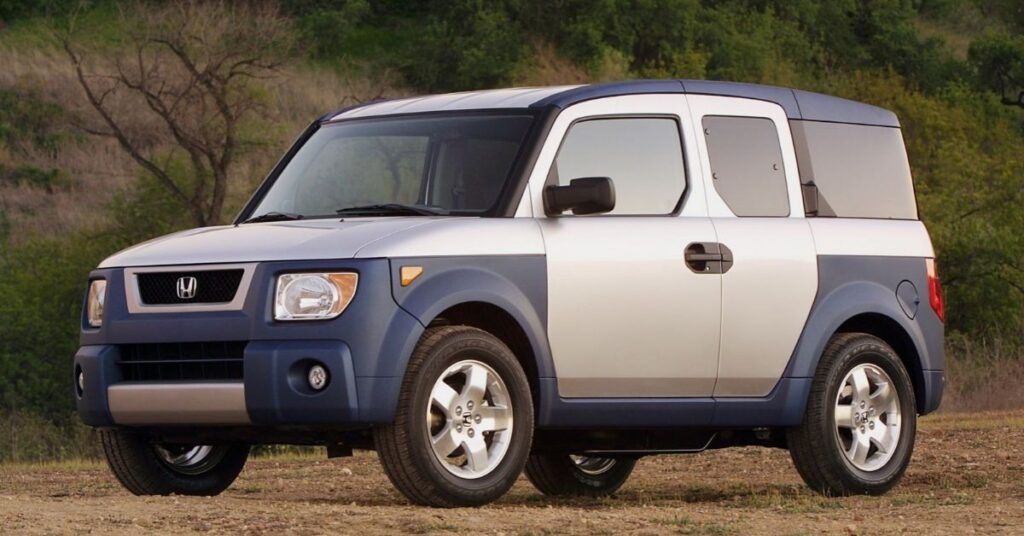
The Element uses rear-hinged side doors, often called clamshell doors. These doors open after the front doors, creating a wide opening for loading cargo. The low rear floor also makes it easier to place bulky items inside. Later models received exterior updates, including changes to the grille, lights, and bumpers.
Honda designed the Element with outdoor use in mind. The rear seats can fold, flip forward, or be removed, depending on the model year. The washable interior floor is another useful detail. These features make the Element different from many conventional compact SUVs of its era.
History and Generations
The Honda Element debuted for the 2003 model year. It was developed from the Model X concept shown at the 2001 New York International Auto Show. Honda built the Element on the CR-V platform and gave it a boxy body with a flexible interior. Production took place in East Liberty, Ohio.
The first models used a 2.4-liter four-cylinder engine. The Element was offered with front-wheel drive or Honda’s Real Time 4WD system. Honda made several updates during its production run. The 2007 model received a refreshed front end and interior changes. Honda also introduced the Element SC in 2007 with a lower ride height and sportier styling.
The Element remained in production through the 2011 model year. There was no separate second generation. Honda continued improving equipment and styling within the same generation. The final Element was produced in April 2011, ending an unusual chapter in Honda’s compact SUV lineup.
Engine and Performance
The Honda Element uses a 2.4-liter inline-four engine from the K-series family. Early models produced about 160 horsepower and 161 lb-ft of torque. For 2007, Honda increased output to 166 horsepower and 161 lb-ft of torque. The engine uses Honda’s i-VTEC technology and is known for its strong low-speed response.
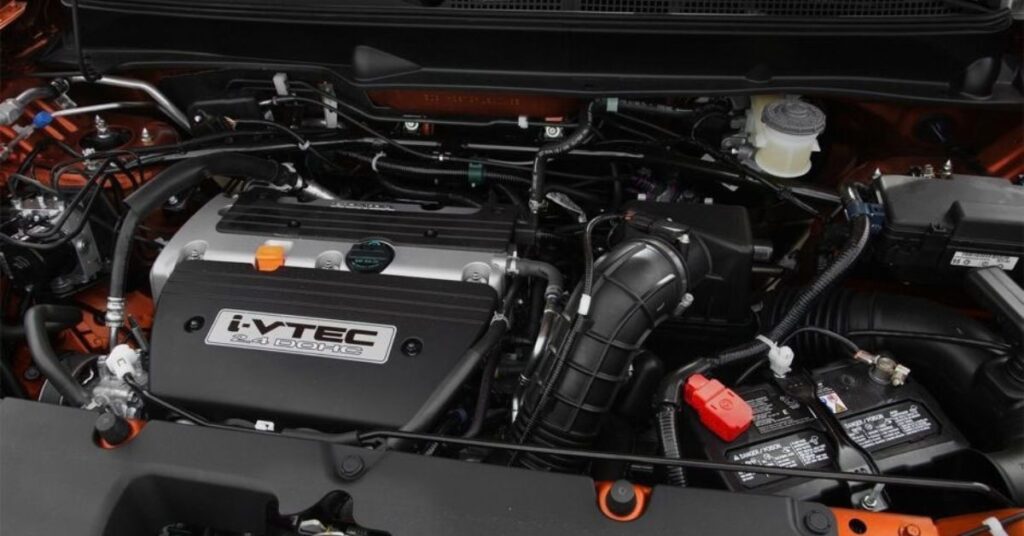
The Element was offered with a five-speed manual or a four-speed automatic transmission in different model years and configurations. Front-wheel drive was standard on many versions. Honda also offered Real Time 4WD. The 4WD system could send power to the rear wheels when extra traction was needed.
The Element is not designed as a high-performance SUV. Its strength is steady and predictable road performance. The 2.4-liter engine provides enough power for normal city driving and highway trips. Its upright body and relatively tall ride height give it a different driving feel from a traditional sedan or low-slung crossover.
Fuel Economy
The Honda Element has moderate fuel economy for a compact SUV of its time. EPA ratings vary by model year, drivetrain, and transmission. For example, a 2003 front-wheel-drive Element with an automatic transmission was rated at about 21 mpg city and 24 mpg highway. Four-wheel-drive versions used more fuel.
The 2007 update brought the 2.4-liter engine to 166 horsepower, but fuel economy remained fairly similar. A 2007 front-wheel-drive automatic model was rated at around 21 mpg city and 24 mpg highway. Real-world results can change with driving style, traffic, tire condition, and vehicle load.
The Element’s boxy body also affects efficiency at higher speeds. Its tall shape creates more aerodynamic drag than a lower crossover. Still, the 2.4-liter engine provides a reasonable balance for everyday use. Buyers who want better economy should compare the exact model year and drivetrain before purchasing a used Element.
Dimensions and Ground Clearance
The Honda Element has a tall and compact body. A typical 2003–2006 Element measures about 169.3 inches long and 70.9 inches wide. Its height is around 70.5 inches. The wheelbase measures 101.4 inches. These dimensions give the Element a short overall footprint while keeping useful space inside.
The 2007–2011 models are slightly different in size. They measure about 170.9 inches long and 71.5 inches wide. The height is around 70.0 inches, depending on the configuration. The wheelbase remains about 101.4 inches. The upright roof also gives passengers more headroom than many compact cars.
Ground clearance is around 6.9 inches on standard versions, although specifications can vary by model year and drivetrain. The Element was not built as a serious off-road vehicle. Its available Real Time 4WD system can improve traction on slippery surfaces. The short body and relatively upright design also make it useful on rough urban roads and unpaved paths.
Honda Element Interior
The Honda Element interior focuses on space and easy use. Its tall roof creates a roomy feeling for passengers. The cabin uses a simple dashboard layout with large, easy-to-read controls. Depending on the model year and trim, features included air conditioning, cruise control, power windows, and an available navigation system.
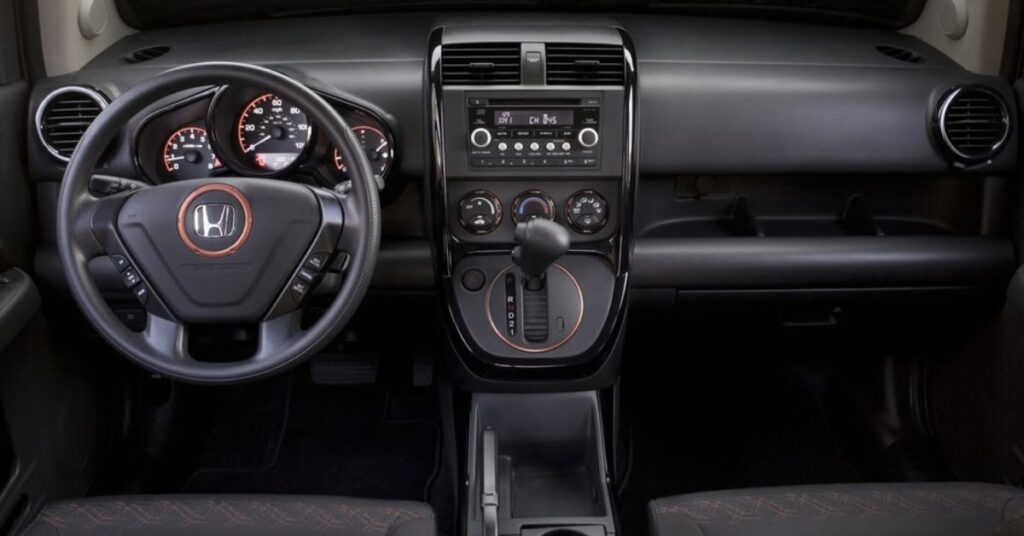
The rear seats are one of the Element’s most useful features. They can fold up against the sides of the cabin or be removed completely. This creates a large open area for carrying equipment and bulky items. The rear floor is also covered with a durable, easy-to-clean material. Honda designed it for people who often carry outdoor gear, pets, or messy cargo.
The Element can seat up to four people. Its rear-hinged rear doors open wide when the front doors are open. This makes getting into the back easier and helps when loading large objects. Later models added updated interior materials and equipment, while the basic focus on flexible space remained throughout the Element’s production run.
Cargo and Utility
The Honda Element was built around flexible cargo space. Its rear seats can be folded, flipped against the side walls, or removed. With the seats out, the cabin becomes a large, flat loading area. This makes it useful for carrying bicycles, camping gear, tools, and other bulky items.
The low cargo floor makes loading easier. The wide rear opening also helps when placing large objects inside. The Element’s rear doors are hinged at the rear, so they open wide when the front doors are open. Honda also used a durable, washable floor surface on many versions, which is useful for muddy shoes, wet equipment, and pets.
The Element is also practical for everyday tasks. Its boxy roof provides useful vertical space that a more rounded SUV may lack. Some versions offered a power outlet and additional storage areas. The combination of removable seats, a washable floor, and wide access points gives the Element a level of utility that remains unusual among compact SUVs.
Technology and Features
The Honda Element kept its technology fairly simple because it was designed in the early 2000s. Standard equipment varied by model year and trim. Common features included air conditioning, power windows, power locks, cruise control, and an AM/FM stereo. Higher trims could add a CD player and steering-wheel audio controls.
The Element SC brought several equipment and styling changes for 2007. It received a lower suspension, unique wheels, and sport-oriented exterior details. Inside, the SC used a different center console and special upholstery. Later model years also offered features such as a USB audio interface, allowing compatible devices to play through the factory audio system.
Safety-related technology also improved over the production run. Anti-lock brakes and electronic stability control became important features on later Elements. Depending on the model year, buyers could also get side-curtain airbags and other supplemental restraint features. However, the Element does not have the modern driver-assistance systems found in newer SUVs.
Safety Equipment
The Honda Element was equipped with several important safety features for its era. Dual-stage front airbags were included, along with three-point seat belts for the occupants. Honda also used a reinforced body structure designed to manage crash forces. Anti-lock brakes were available on the Element, depending on the model year and configuration.
Honda added more safety equipment as the Element evolved. Vehicle Stability Assist became available and was later included on newer models. Side-curtain airbags were also offered on later versions. These systems could help provide better protection during certain types of crashes and reduce the risk of losing control.
The Element received a four-star overall NHTSA safety rating for several model years, although ratings can differ by year and test category. It does not have modern systems such as automatic emergency braking, adaptive cruise control, or lane-keeping assistance. When buying a used Element, checking the exact model year’s safety equipment is important.
Reliability and Problems
The Honda Element uses the 2.4-liter K-series four-cylinder engine, which is shared with other Honda models from the same period. With regular oil changes and proper maintenance, many Elements have remained in service for well over 200,000 miles. The simple mechanical layout also makes routine servicing relatively straightforward.
Age is now a major factor when buying a used Element. Common issues can include worn suspension components, leaking door seals, rusty body panels, and aging engine mounts. Some owners may also encounter air-conditioning problems or power-window issues. The condition of an individual vehicle is often more important than its mileage alone.
The automatic transmission should also be checked carefully on a high-mileage Element. Buyers should look for smooth shifts, service records, and signs of fluid leaks. Four-wheel-drive models need additional attention to the rear differential and drivetrain. A pre-purchase inspection can reveal hidden problems and help estimate future repair costs.
Trims and Model Years
The Honda Element was sold from the 2003 through 2011 model years. Its main trim levels included LX and EX, while the EX-P replaced the EX for some later years. Honda also introduced the Element SC in 2007. Trim names and available equipment changed over time, so buyers should check the exact year and drivetrain.
| Model Year | Main Trims | Engine | Drivetrain | Key Details |
| 2003 | DX, LX, EX | 2.4L I4 | FWD, 4WD | First model year; manual and automatic options |
| 2004 | DX, LX, EX | 2.4L I4 | FWD, 4WD | Similar design and equipment |
| 2005 | LX, EX | 2.4L I4 | FWD, 4WD | Updated equipment and options |
| 2006 | LX, EX | 2.4L I4 | FWD, 4WD | Final year of the original styling |
| 2007 | LX, EX, SC | 2.4L I4 | FWD, 4WD | Facelift; SC introduced |
| 2008 | LX, EX, SC | 2.4L I4 | FWD, 4WD | Updated safety and equipment |
| 2009 | LX, EX, SC | 2.4L I4 | FWD, 4WD | Four-wheel-drive availability continued |
| 2010 | LX, EX, SC | 2.4L I4 | FWD, 4WD | Similar core mechanical package |
| 2011 | LX, EX, SC | 2.4L I4 | FWD, 4WD | Final production model year |
The Element SC is especially different from the regular versions. It received a lower ride height, unique exterior styling, and specific interior details. Across the lineup, the 2.4-liter four-cylinder remained the only engine. The main differences came from trim equipment, drivetrain choice, styling, and model-year updates.
Price and Used Market
The Honda Element is now available only as a used vehicle because production ended after the 2011 model year. Used prices vary widely by model year, mileage, drivetrain, condition, and service history. Clean examples with low mileage can cost noticeably more than high-mileage vehicles with rust or mechanical problems.
Older Elements are often attractive to buyers who want a practical and unusual compact SUV. The 4WD versions can have extra appeal for drivers who need better traction. The Element SC can also attract buyers because of its unique styling and lower suspension. However, modifications and poor maintenance can affect a vehicle’s value.
Condition is especially important in today’s used market. Buyers should inspect the body for rust and check the suspension, air conditioning, transmission, and door seals. A vehicle with detailed maintenance records is easier to evaluate. Comparing several listings from the same model year can also help establish a realistic market price.
Honda Element Ownership Costs
The Honda Element can have manageable ownership costs when it is properly maintained. Its 2.4-liter four-cylinder engine uses common Honda components from the same period. Routine expenses include engine oil, filters, brake parts, tires, and other wear items. The actual cost depends on mileage, driving conditions, and the condition of the vehicle.
Age can have a bigger effect on costs than mileage. Rubber seals, suspension bushings, engine mounts, hoses, and other aging parts may need replacement. Four-wheel-drive models also have additional drivetrain components that require servicing. Rust can increase repair costs, especially on an older Element used in areas with harsh winters or road salt.
Parts availability is another useful point for Element owners. Many mechanical parts are shared with other Honda vehicles, which can make repairs easier to source. Labor costs still vary by location and workshop. Before buying a used Element, setting aside money for age-related repairs can help avoid unexpected expenses.
Conclusion
The Honda Element continues to attract buyers in the used SUV market. Its 2.4-liter engine delivers practical power for daily driving. Its flexible seats create more usable space, while the wide-opening doors simplify loading. The washable floor also helps owners handle outdoor gear, pets, and messy cargo. It does not deliver sports-car performance, but it provides useful power and strong everyday utility.
Age and condition can strongly affect ownership costs. Buyers should inspect the body for rust and check the suspension, transmission, seals, and maintenance history. A well-maintained Honda Element can handle daily driving, road trips, and bulky loads for many more years. Careful maintenance can also reduce unexpected repair costs.
FAQs
1. What years did Honda produce the Element?
Honda produced the Element from the 2003 through 2011 model years.
2. What engine powers the Honda Element?
The Element uses a 2.4-liter four-cylinder engine. Honda increased its output from 160 hp in early models to 166 hp from 2007.
3. Does the Honda Element offer 4WD?
Yes. Honda offered Real Time 4WD on selected Element models alongside front-wheel drive.
4. How does the Honda Element handle cargo?
Its removable and foldable rear seats create a flexible cargo area. Owners can use the space to carry bicycles, camping gear, tools, and other bulky items.
5. Can the Honda Element provide reliable service?
A well-maintained Element can provide many years of service. Buyers should inspect rust, suspension components, leaks, transmission operation, and maintenance records before purchasing.
One Response
[…] Honda updated the Crosstour for 2013. The refresh brought revised front and rear styling and interior changes. The V6 also gained direct injection, while a six-speed automatic replaced the earlier five-speed unit. Production ended after the 2015 model year, making the Crosstour a short-lived but distinctive Honda model. […]