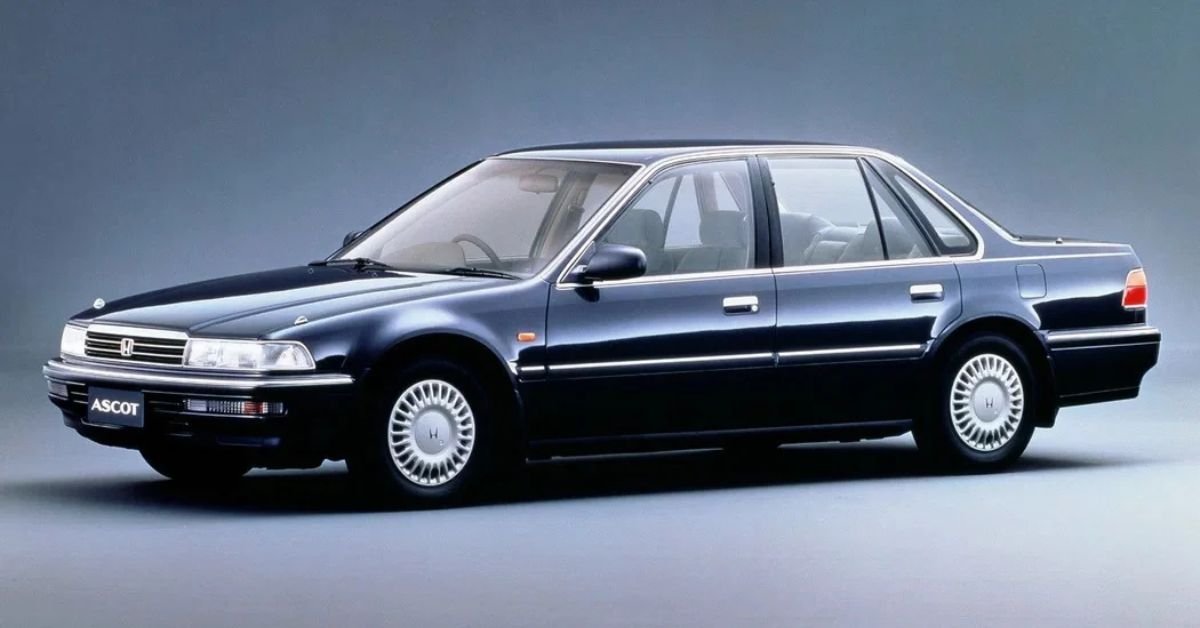
The Honda Ascot is a mid-size passenger car produced by Honda in Japan. It was introduced in 1989 and shared its platform with the Honda Accord. The car offered comfortable seating, practical features, and reliable engine options. Honda designed it for drivers who wanted a balanced family sedan.
The Honda Ascot is an interesting model in Honda’s history. It may not be as popular as the Accord or Civic, but it has its own appeal. Its engine performance, simple design, and comfortable cabin make it worth exploring. Used car buyers may also find it an interesting option in the Japanese market.
In this review, we will explore the Honda Ascot’s engine options, specifications, and performance. We will also cover its generations, fuel economy, exterior design, and interior features. Other topics include safety, available trims, common problems, maintenance costs, and used market prices.
Honda Ascot Engine Types
The Honda Ascot came with different engine options during its production years. The first generation offered 1.8-liter and 2.0-liter four-cylinder petrol engines. These engines were designed to provide a good balance of power and everyday driving comfort.
The 1.8-liter F18A engine produced around 105 PS in its original Japanese specification. The 2.0-liter F20A engine was available in different versions. Its output ranged from around 110 PS to 150 PS, depending on the engine setup and trim. Some versions used fuel injection, while others had a carburetor system.
Later Ascot models offered larger engine options. These included the 2.0-liter G20A and 2.5-liter G25A five-cylinder engines. The Ascot Innova also offered 2.0-liter and 2.3-liter engines in select versions. Engine availability depended on the model year and market.
Engine Specs and Power
The Honda Ascot offered several engine options across its production years. The early models used a 1.8-liter F18A and a 2.0-liter F20A four-cylinder engine. The F18A produced around 105 PS, while the F20A Si version delivered 150 PS. These engines provided suitable power for daily driving.
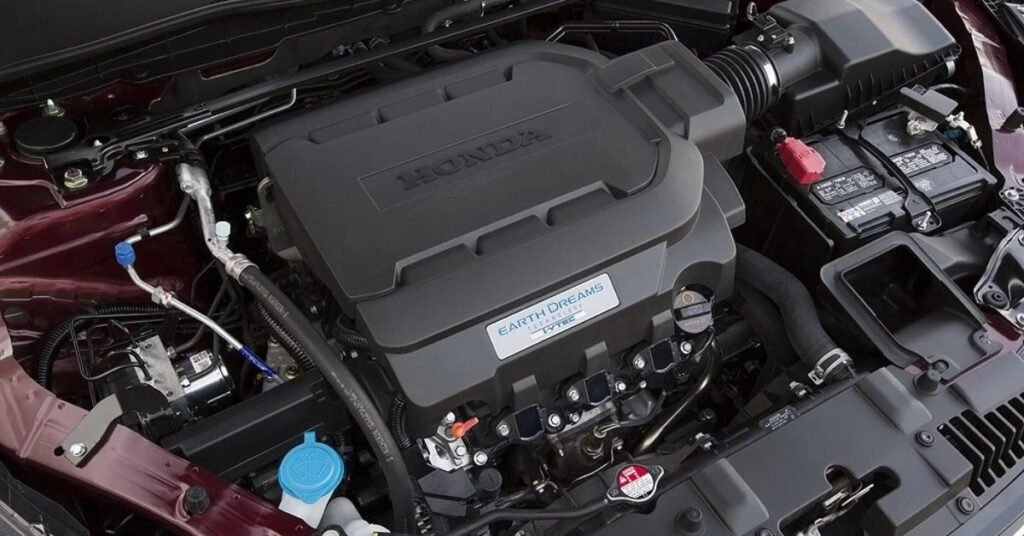
Later models introduced larger five-cylinder engines. The 2.0-liter G20A produced 160 PS and 186.3 Nm of torque. The 2.5-liter G25A offered 180 PS and 225.6 Nm of torque. These engines gave the later Ascot models stronger acceleration and better highway performance.
The Honda Ascot was available with both manual and automatic transmissions. Some versions also featured four-wheel steering (4WS). Engine power varied by model year and trim. Overall, its engine range offered a choice between practical everyday performance and stronger power for drivers who wanted more responsive driving.
Performance and Handling
The Honda Ascot offers balanced performance for everyday driving. Its four-cylinder and five-cylinder engines provide smooth power delivery. The stronger 2.0-liter and 2.5-liter versions offer better acceleration. The car feels comfortable on city roads and highways. Its performance also depends on the engine and transmission.
Honda equipped the Ascot with a four-wheel double-wishbone suspension system. This setup helps keep the car stable during turns. It also absorbs road bumps and improves ride comfort. The suspension provides a good balance between handling and smooth driving.
Some models also offered Honda’s four-wheel steering (4WS) system. This feature helps improve steering response and cornering control. Power steering makes the car easier to handle at different speeds. Overall, the Ascot delivers comfortable handling and stable road performance.
Transmission Options
The Honda Ascot was available with manual and automatic transmission options. Early models offered a five-speed manual gearbox and a four-speed automatic transmission. These options gave buyers flexibility based on their driving preferences. The manual gearbox provided more control over gear changes.
The automatic transmission offered easier driving in city traffic. It allowed smooth gear changes without frequent driver input. This made the Ascot comfortable for daily use and longer journeys. Transmission availability varied by model year and engine type.
Later Ascot models continued to offer automatic transmission options. Some versions paired their five-cylinder engines with automatic gearboxes. Buyers looking at used models should check transmission condition carefully. Regular fluid changes and proper maintenance help improve gearbox performance and reliability.
Generations and Model Years
The Honda Ascot was produced in Japan from 1989 to 1997. It had two main generations. The first generation was based on the fourth-generation Honda Accord. The second generation received a revised platform and shared its engineering with the Honda Rafaga. Honda also introduced the Ascot Innova as a separate, sportier-looking model.
- First Generation (1989–1993): Featured a four-door sedan design and 1.8-liter and 2.0-liter engine options.
- Ascot Innova (1992–1996): Offered a different body design with a stylish pillared-hardtop roof.
- Second Generation (1993–1997): Introduced a revised design and 2.0-liter and 2.5-liter five-cylinder engines.
Each generation offered different styling and mechanical features. The first generation focused on practical sedan comfort, while the second offered larger engines and updated engineering. The Ascot remained a Japan-market model throughout its production.
Fuel Economy
The Honda Ascot offers different fuel economy figures depending on its engine and model year. The 1.8-liter and 2.0-liter four-cylinder engines generally use less fuel than the larger five-cylinder options. These engines provide a reasonable balance between power and everyday fuel consumption.
The later 2.0-liter and 2.5-liter engines offer stronger performance but may consume more petrol. Fuel usage also depends on driving speed, road conditions, and vehicle maintenance. City driving usually requires more fuel than steady highway driving. Automatic versions may also have different consumption figures from manual models.
For a used Honda Ascot, engine condition plays an important role in fuel efficiency. Worn spark plugs, dirty air filters, and poor fuel system maintenance can increase consumption. Buyers should check the engine and fuel system before purchasing. Regular servicing can help maintain better mileage and smooth performance.
Exterior Design and Dimensions
The Honda Ascot features a classic four-door sedan design. Its exterior has a clean shape with smooth body lines. The front includes rectangular or slightly rounded headlights, depending on the generation. A simple grille and body-colored bumpers give it a neat appearance. The overall design focuses on comfort and practicality rather than a sporty look.

The first-generation Ascot has a traditional sedan shape with a long hood and balanced proportions. The second generation received updated styling and a more modern appearance. The Ascot Innova has a different design with a lower roofline and sleek body panels. These changes gave each version its own character.
The dimensions vary by generation and body style. The regular Ascot is approximately 4,550 mm long and 1,695 mm wide in its early versions. Its wheelbase measures around 2,720 mm. The Ascot Innova has a longer body of approximately 4,670 mm. These dimensions provide a spacious cabin and stable road presence.
Trims and Variants
The Honda Ascot was available in several trims and variants during its production years. Each version offered different engine options and equipment. Early models included 1.8-liter and 2.0-liter engine choices. Later versions introduced 2.0-liter and 2.5-liter five-cylinder engines. Features such as four-wheel steering were available on selected variants.
The available trims varied by generation and model year. Some focused on basic comfort, while higher versions offered more power and additional features. The following table highlights the main variants and their differences.
| Model / Variant | Engine | Key Features |
| Ascot 1.8 | 1.8L F18A | Four-cylinder engine, practical setup |
| Ascot 2.0 | 2.0L F20A | Four-cylinder engine, stronger performance |
| Ascot 2.0 Si | 2.0L F20A | Higher engine output, sportier performance |
| Ascot 2.0 G | 2.0L G20A | Five-cylinder engine, smooth power delivery |
| Ascot 2.5 S | 2.5L G25A | Higher power and stronger torque |
| Ascot 2.5 S 4WS | 2.5L G25A | Four-wheel steering on selected versions |
| Ascot Innova | 2.0L / 2.3L | Different body design and engine choices |
Interior and Comfort
The Honda Ascot has a practical and comfortable interior. Its cabin offers a simple dashboard layout with easy-to-use controls. The seats provide good support for daily driving. Depending on the trim, buyers could get fabric or upgraded seat materials. The overall design focuses on passenger comfort and convenience.
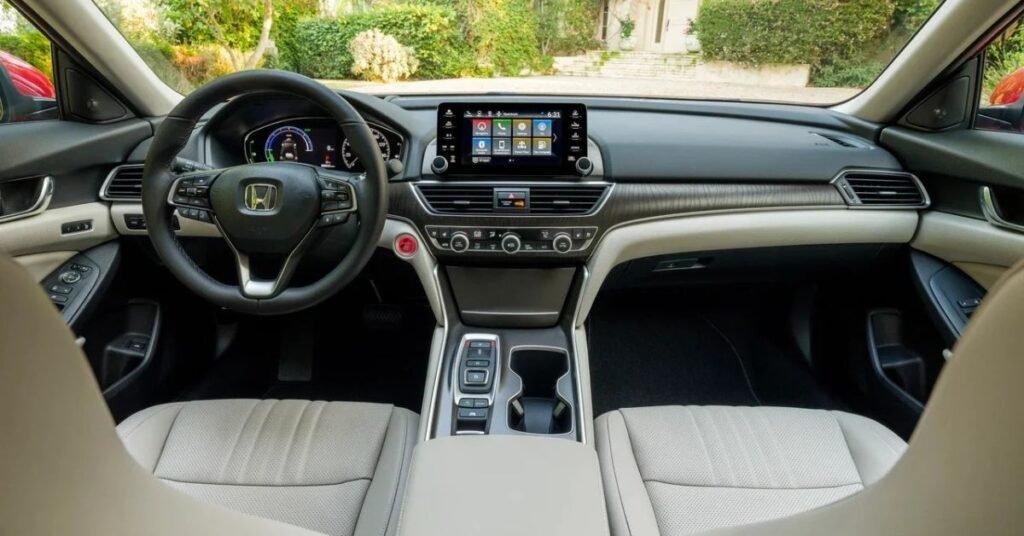
The car offers enough space for both front and rear passengers. Its wide cabin provides comfortable seating for five people. The rear seats have reasonable legroom and headroom. Some versions also include power windows, power mirrors, air conditioning, and adjustable steering. Available features depend on the model year and trim level.
Honda designed the Ascot for comfortable daily travel and longer journeys. The suspension helps reduce road vibrations inside the cabin. The seating position gives the driver a clear view of the road. Although its interior looks older than modern sedans, it remains practical for buyers who prefer a simple and spacious car.
Seating and Cargo Space
The Honda Ascot offers seating for up to five passengers. It has two front seats and a rear bench seat. The front seats provide good support for the driver and passenger. The rear seats offer reasonable legroom for adults. Its wide cabin makes daily travel more comfortable for families.
The car also provides a separate rear luggage compartment. The trunk has enough room for shopping bags, small suitcases, and everyday items. Its sedan body design keeps the luggage area separate from the passenger cabin. This layout helps keep the interior organized during longer trips.
Cargo space and seating comfort may vary slightly between generations and versions. The Ascot Innova has a different body shape, which can affect its interior layout. Buyers should check the rear seat condition, upholstery, and trunk space when inspecting a used model. Overall, the Ascot offers practical space for passengers and daily luggage.
Safety Features
The Honda Ascot was designed with basic safety features for its time. Its body structure protects during everyday driving. Most versions came with standard seat belts for the driver and passengers. Some later models also offered a driver’s airbag, depending on the trim and production year.
The car’s braking system helps provide controlled stopping on different road surfaces. Selected versions were equipped with an anti-lock braking system (ABS). This feature helps reduce wheel lockup during sudden braking. Some models also included traction-related safety equipment, but availability varied by version.
Modern safety systems were not common when the Honda Ascot was produced. Features such as lane departure warnings and automatic emergency braking were not available. Buyers should inspect the brakes, tires, seat belts, and airbag system before purchasing a used model. Regular maintenance also helps keep the car safe and reliable.
Common Problems and Reliability
The Honda Ascot has a reputation for practical engineering and durable petrol engines. However, its age can lead to different mechanical problems. Some owners may experience oil leaks, worn engine mounts, or cooling system issues. Older engines can also develop rough idling and increased oil consumption. Regular servicing helps reduce these problems.
Transmission wear is another area to check in older Ascot models. Automatic versions may develop delayed gear changes or slipping after years of use. Suspension components, including bushes, ball joints, and shock absorbers, can also wear out. Rust may appear around the wheel arches, doors, and underbody, especially on poorly maintained cars.
Overall, the Honda Ascot can remain dependable when properly maintained. Its reliability depends heavily on service history and previous use. Buyers should inspect the engine, gearbox, suspension, and body condition before purchasing. Finding genuine spare parts can also be challenging because production ended in 1997.
Maintenance and Spare Parts Costs
The Honda Ascot needs regular maintenance to keep its engine and other components in good condition. Routine servicing includes engine oil changes, air filter replacement, and spark plug checks. Owners should also inspect the brakes, tires, and cooling system. These basic services help prevent costly repairs and improve engine performance.
Spare parts availability can be a challenge because the Honda Ascot is an older, discontinued model. Common service parts may be easier to find through Japanese car parts dealers. However, body panels, electronic components, and some engine parts can be harder to source. Prices also depend on the part’s condition and availability.
Maintenance costs vary according to the model year and engine type. Five-cylinder engine versions may require more specialized parts than earlier four-cylinder models. Used parts can reduce repair expenses, but their condition should be checked carefully. A complete inspection before buying can help owners avoid unexpected maintenance costs.
Conclusion
The Honda Ascot is a practical sedan with a comfortable interior and several engine options. It offers balanced performance, simple features, and useful passenger space. Its different generations give buyers a choice of designs and engine types. However, its age and limited spare parts availability can make ownership challenging.
Overall, the Honda Ascot can be a good option for fans of older Japanese cars. Its condition and maintenance history are important when buying a used model. Buyers should inspect the engine, transmission, suspension, and body carefully. With proper care, the Ascot can still provide a comfortable driving experience.
FAQs
1. What years was the Honda Ascot produced?
The Honda Ascot was produced in Japan from 1989 to 1997.
2. What engine options were available in the Honda Ascot?
It offered 1.8-liter and 2.0-liter four-cylinder engines, along with later 2.0-liter and 2.5-liter five-cylinder options.
3. Is the Honda Ascot fuel-efficient?
Its fuel economy depends on the engine, transmission, driving conditions, and vehicle maintenance.
4. How many passengers can the Honda Ascot seat?
The Honda Ascot can seat up to five passengers, including the driver.
5. Is the Honda Ascot reliable?
Yes, it can be reliable with proper maintenance, but its age and spare parts availability require careful consideration.
One Response
[…] unusual for a front-wheel-drive sedan. The model also offered a more refined interior and improved driving comfort. After 1995, Honda replaced the Vigor in Japan with the Inspire and Saber […]