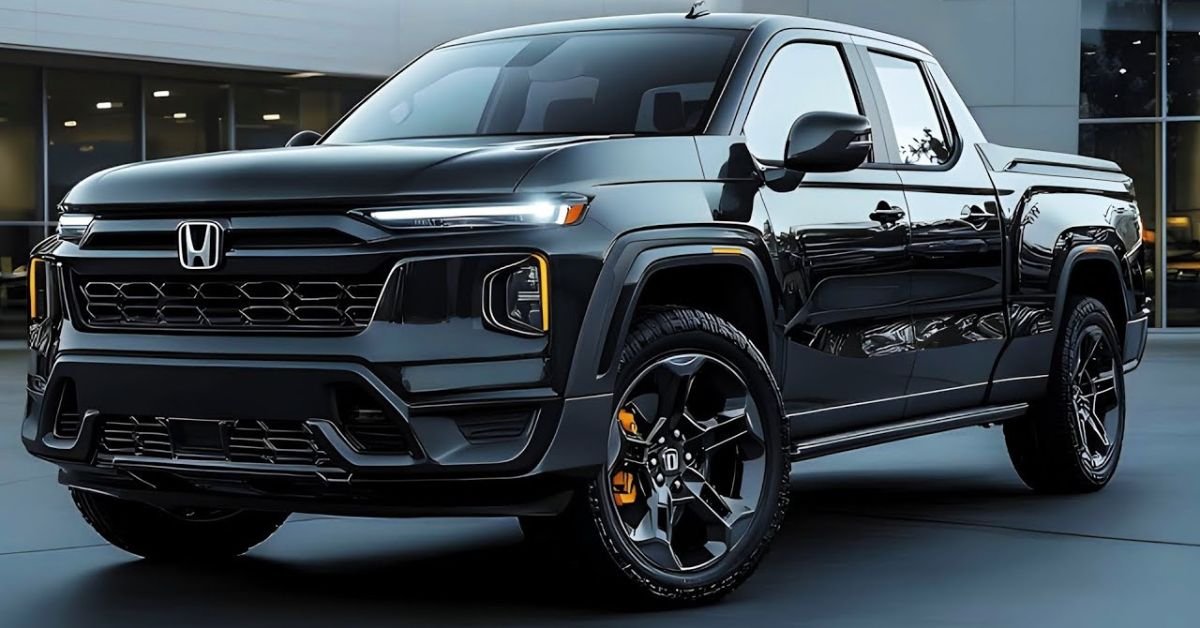
The Honda Ridgeline is a midsize pickup truck designed for daily driving and practical work. It combines a 3.5-liter V6 engine with a nine-speed automatic transmission in recent models. Unlike traditional body-on-frame trucks, it uses a unibody platform. This design gives it a more car-like driving experience.
Need a pickup that feels comfortable on city roads but can still handle outdoor trips and heavy loads? The Ridgeline offers an interesting balance. Its independent rear suspension, standard all-wheel drive in recent US models, and dual-action tailgate make it different from many competitors.
In this review, we will explore the Honda Ridgeline’s engine specifications, performance, towing capacity, and fuel economy. We will also cover its interior, cargo bed, safety features, available trims, and pricing. This guide will help you understand what the truck offers and whether it suits your needs.
Honda Ridgeline Engine Options
The Honda Ridgeline uses a 3.5-liter V6 petrol engine across its modern US model lineup. This engine belongs to Honda’s J-series family. It produces 280 horsepower and 262 lb-ft of torque in recent model years. The engine uses a single overhead camshaft design with 24 valves.
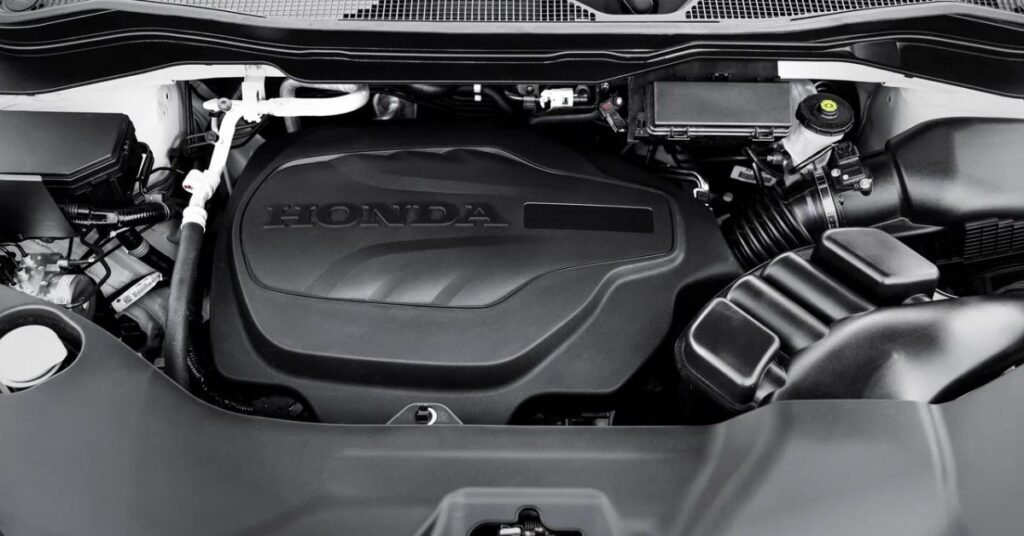
Honda pairs this V6 engine with a nine-speed automatic transmission in 2020 and newer Ridgeline models. Earlier second-generation models, from 2017 to 2019, used a six-speed automatic transmission. All-wheel drive became standard across the US lineup starting with the 2020 model year. Earlier models offered front-wheel drive on some trims.
The V6 engine provides smooth power for daily driving, highway travel, and light towing. It also supports the truck’s maximum towing capacity of 5,000 pounds when properly equipped. Honda has not offered a factory diesel or hybrid engine for the Ridgeline. Buyers should check the model year because transmission and drivetrain options differ between versions.
Performance and Horsepower
The Honda Ridgeline delivers strong performance through its 3.5-liter V6 engine. It produces 280 horsepower and 262 lb-ft of torque in the second-generation US models. This power helps the truck accelerate smoothly and handle everyday driving. Its engine also provides enough strength for carrying loads and pulling trailers.
The nine-speed automatic transmission in 2020 and newer models shifts smoothly. It helps maintain steady power during city and highway driving. The Ridgeline also uses an independent rear suspension. This setup improves ride comfort and keeps the truck stable on uneven roads. Its standard all-wheel-drive system in recent US models provides better traction on slippery surfaces.
The Ridgeline is not designed as a high-performance off-road truck. However, its available Intelligent Traction Management system offers Normal, Snow, Sand, and Mud modes. These settings help adjust traction for different surfaces. With a 0–60 mph time generally around 6.5 to 7 seconds, it offers quick acceleration for a midsize pickup. Actual results depend on the model year and testing conditions.
Towing and Payload Capacity
The Honda Ridgeline offers useful towing strength for a midsize pickup truck. Most second-generation models have a maximum towing capacity of 5,000 pounds when properly equipped with all-wheel drive. Front-wheel-drive versions from earlier model years have a lower rating of 3,500 pounds. This makes the Ridgeline suitable for towing small boats, utility trailers, and camping equipment.
Its payload capacity is generally around 1,500 pounds, but the exact limit depends on the model year and trim. Owners can use the truck bed to carry tools, building materials, luggage, and outdoor gear. The in-bed trunk adds another storage area for smaller items. However, its weight must also be included when calculating the total load.
Honda also equips the Ridgeline with trailer stability assistance and a standard integrated trailer hitch on recent US models. These features help drivers manage trailer movement and improve towing control. Before loading or towing, owners should check the door-jamb certification label and owner’s manual. They provide the correct payload and towing limits for each vehicle.
Fuel Economy and Efficiency
The Honda Ridgeline offers reasonable fuel economy for a midsize pickup with a V6 engine. Recent US models with the 3.5-liter V6 and nine-speed automatic transmission have EPA estimates of around 18 MPG in the city and 24 MPG on the highway. Combined fuel economy is approximately 21 MPG. These figures can vary slightly by model year and trim.
The Ridgeline uses a 19.5-gallon fuel tank in recent model years. This gives drivers a useful driving range between fuel stops. Its nine-speed transmission helps keep engine speeds under control during highway travel. The variable cylinder management system can also reduce fuel use by deactivating some cylinders under suitable driving conditions.
Actual fuel consumption depends on driving habits, road conditions, and vehicle load. Frequent towing, heavy cargo, and stop-and-go traffic can increase fuel use. All-wheel drive also affects efficiency compared with older front-wheel-drive versions. Regular servicing and correct tire pressure help maintain consistent fuel economy.
Exterior Design and Dimensions
The Honda Ridgeline has a bold exterior with a practical pickup design. Its front end features a wide grille, sharp LED headlights, and a sculpted hood. The body has smooth lines and wide wheel arches. Recent models also feature a redesigned front bumper and updated grille styling. These details give the truck a strong road presence without making it look overly aggressive.
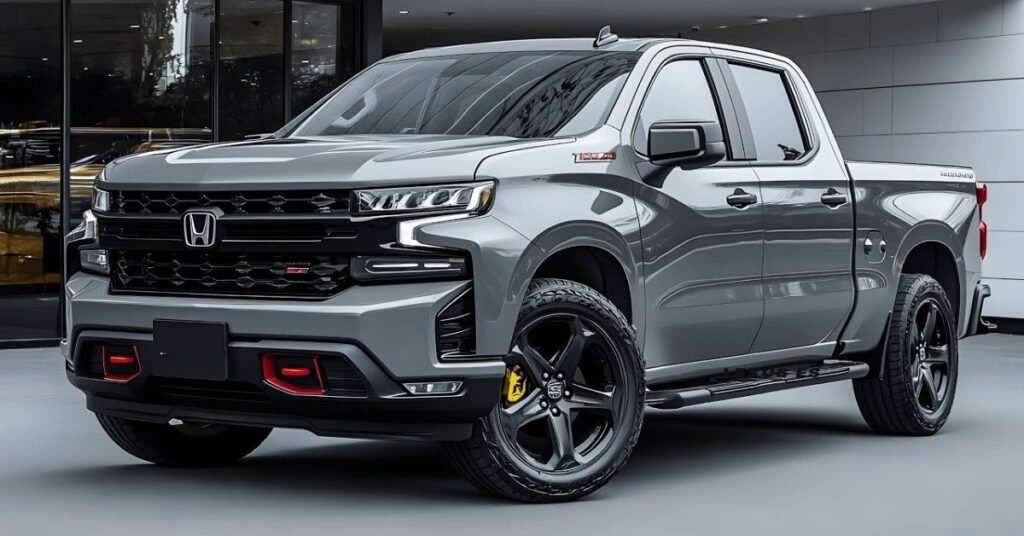
The second-generation Ridgeline measures approximately 210.2 inches in length and 78.6 inches in width, excluding the mirrors. Its wheelbase is 125.2 inches. The truck also has a 60.0-inch cargo bed, which provides useful space for tools and outdoor equipment. Its overall height and ground clearance vary slightly by trim and model year.
Honda has also added practical features to the exterior. The dual-action tailgate can open downward or swing sideways. This makes loading wider items easier. The lockable in-bed trunk sits beneath the cargo floor and provides extra storage. These features make the Ridgeline useful for work, travel, and everyday activities.
Honda Ridgeline interior
The Honda Ridgeline has a spacious cabin with a practical layout. It offers seating for five passengers across two rows. The front seats provide good support for long drives. The rear seats also offer useful legroom for adult passengers. Honda uses quality materials throughout the cabin, with leather upholstery available on higher trims. The wide doors make getting in and out easier.
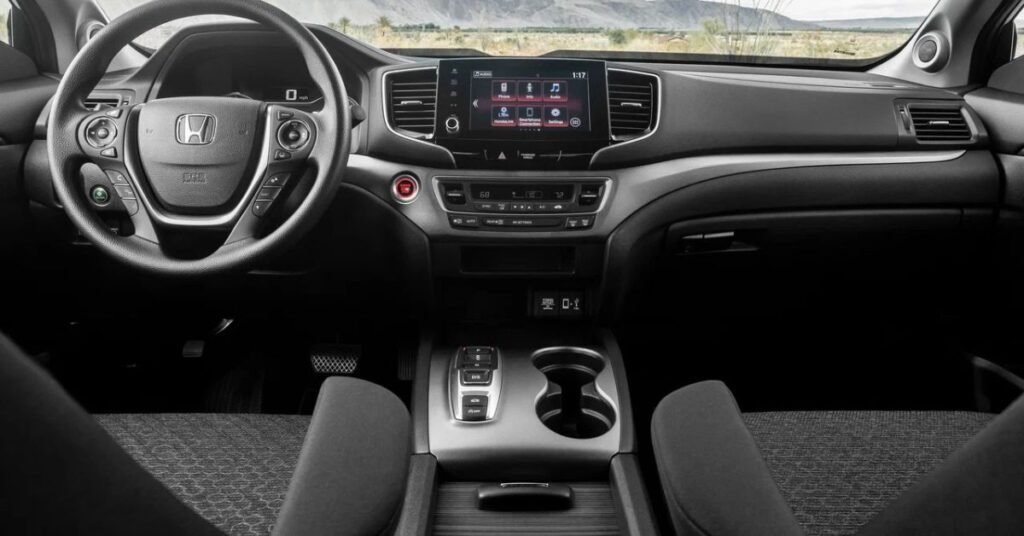
The Ridgeline includes several useful comfort features. Recent models offer tri-zone automatic climate control on selected trims. Heated front seats and a power-adjustable driver’s seat are also available. The rear seats can fold upward to create extra space for tall items inside the cabin. This feature is useful when carrying luggage or equipment that needs protection from bad weather.
Honda also provides practical technology for everyday use. Recent models feature a 9-inch touchscreen with Apple CarPlay and Android Auto compatibility. A wireless phone charger is available on selected trims. The cabin also includes USB ports, storage compartments, and a multi-function steering wheel. Feature availability depends on the model year and trim level.
Cargo Bed and Storage Space
The Honda Ridgeline has a practical cargo bed designed for work and everyday use. Its bed measures about 5.3 feet in length and 5 feet in width at the floor. It offers around 33.9 cubic feet of cargo space. The flat floor makes it easier to carry boxes, tools, furniture, and outdoor equipment. The bed also uses a scratch-resistant composite material that does not require a traditional bed liner.
One of its most useful features is the lockable In-Bed Trunk. It sits beneath the rear section of the cargo bed and provides about 7.3 cubic feet of extra storage. Owners can use it for groceries, tools, and travel equipment. It also includes a drain plug, so it can be cleaned easily or used as an ice cooler. This storage space is a major advantage over many traditional pickup trucks.
The Ridgeline also features a dual-action tailgate. It opens downward like a regular truck tailgate or swings sideways like a door. This makes loading and unloading heavy items more convenient. The available truck bed lighting helps users work in low-light conditions. These features make the Ridgeline useful for camping, home projects, and daily hauling.
Honda Ridgeline Pricing
The 2026 Honda Ridgeline starts at $40,795 in the US market. Honda offers several trims with different comfort, technology, and styling features. The Sport is the entry-level model, while the RTL adds leather-trimmed seats and heated front seats. The TrailSport focuses more on rough-road driving. The Black Edition offers a more premium appearance.
The 2026 model has several price options. The Sport starts at $40,795, the RTL at $43,595, and the TrailSport at $45,995. The TrailSport with HPD wheels costs $47,195. The Black Edition starts at $47,395, while the Black Edition Two-Tone costs $47,895. These are US manufacturer suggested retail prices before destination charges, taxes, and additional options.
The final purchase price depends on the dealership, location, taxes, and selected accessories. Used Ridgeline prices also vary by model year, mileage, condition, and maintenance history. Buyers should compare different trims before making a decision. They should also check the vehicle’s service records and accident history when purchasing a used model.
Available Trims and Models
The 2026 Honda Ridgeline is available in several trims. Each version offers a different combination of comfort, styling, and practical features. The Sport is the entry-level model with standard all-wheel drive and a 280-hp V6 engine. The RTL adds leather seats and a power moonroof. The TrailSport focuses on rough-road driving with all-terrain tires and an off-road-tuned suspension. The Black Edition offers a more premium cabin and distinctive exterior styling.
The lineup also includes special wheel and appearance packages. The TrailSport with HPD wheels adds black alloy wheels for a sportier look. The Black Edition Two-Tone features a contrasting black roof. All 2026 US trims use a nine-speed automatic transmission and the i-VTM4 all-wheel-drive system.
2026 Honda Ridgeline Trims and Starting Prices
| Trim | Starting MSRP (US) | Main Features |
| Sport | $40,795 | 280-hp V6, AWD, cloth seats, 9-inch touchscreen |
| RTL | $43,595 | Leather seats, heated front seats, power moonroof |
| TrailSport | $45,995 | All-terrain tires, off-road suspension, skid plate |
| TrailSport + HPD Wheels | $47,195 | TrailSport equipment, 18-inch black HPD wheels |
| Black Edition | $47,395 | Black exterior details, ventilated front seats, red interior accents |
| Black Edition Two-Tone | $47,895 | Black Edition features and contrasting black roof |
Prices are 2026 US manufacturer suggested retail prices before destination charges, taxes, and optional equipment. They may vary by dealer.
Reliability and Common Problems
The Honda Ridgeline has a reputation for comfortable driving and practical engineering. Its 3.5-liter V6 engine can provide long service when properly maintained. However, some model years have experienced mechanical and electrical problems. The 2017–2019 models deserve extra attention because Honda issued a warranty extension for certain six-speed automatic transmission torque converters. Affected units may develop a P0741 trouble code.
Some Ridgeline models have also experienced engine, fuel pump, and backup camera problems. Certain 2017 and 2019 trucks were recalled over connecting rod bearing defects. Honda also recalled certain 2018–2020 models because a defective fuel pump could cause the engine to stall. Some 2017–2019 and 2020–2024 trucks had backup camera wiring issues. These problems do not affect every vehicle, so checking the VIN is important.
Regular maintenance helps keep the Ridgeline in good condition. Owners should follow Honda’s service schedule and inspect the transmission, brakes, suspension, and cooling system. Used buyers should check service records and look for signs of previous repairs. They should also confirm that all safety recalls have been completed. A professional inspection can help identify expensive problems before purchase.
Maintenance and Ownership Costs
The Honda Ridgeline has manageable maintenance needs when serviced on time. Its 3.5-liter V6 engine requires regular oil and filter changes. Owners should also inspect the brakes, tires, transmission fluid, and cooling system. Honda’s Maintenance Minder system helps track service needs. It displays maintenance codes when the vehicle requires attention. Following these reminders can help prevent expensive repairs.
Ownership costs depend on mileage, driving conditions, and vehicle age. The V6 engine uses regular gasoline in US models. However, fuel expenses can increase during frequent towing or city driving. Owners should also budget for tires, brake pads, insurance, and unexpected repairs. The timing belt and water pump are important long-term service items because they can involve a larger maintenance expense.
The Ridgeline’s Maintenance Minder system uses service codes to identify required work. For example, code 3 covers transmission and transfer fluid replacement. Code 4 includes spark plugs and timing belt service. Honda also recommends replacing brake fluid every three years. Drivers who tow regularly may need more frequent transmission fluid changes.
Honda Ridgeline Technology and Infotainment
The Honda Ridgeline offers modern technology for daily driving and long trips. The 2026 US model comes with a 9-inch color touchscreen. It supports wireless Apple CarPlay and Android Auto. Drivers can connect their smartphones without using a cable. The system also supports Bluetooth audio and hands-free phone calls. A physical volume knob makes audio adjustments easier while driving.
Honda provides several additional technology features across the lineup. These include a 7-inch digital instrument display, wireless phone charging, and front USB ports. The TrailSport and Black Edition also offer Honda Satellite-Linked Navigation. The Black Edition features a 540-watt premium audio system with eight speakers and a subwoofer. Other trims use a 215-watt system with seven speakers.
The Ridgeline also includes technology that improves everyday convenience. HondaLink provides connected vehicle services through a compatible smartphone. Remote engine start allows drivers to start the truck before entering the cabin. Higher trims add features such as rear USB-C charging ports and a power outlet in the truck bed. These features make the Ridgeline useful for work, travel, and entertainment.
Conclusion
The Honda Ridgeline is a practical midsize pickup with a strong V6 engine and comfortable interior. It offers useful towing capacity, a spacious cabin, and smart cargo storage. Features like the dual-action tailgate and in-bed trunk make it different from many other trucks. Its smooth ride and modern technology also make it suitable for daily driving.
Overall, the Ridgeline is a good choice for buyers who want a balance of comfort and utility. It may not match larger trucks in heavy-duty towing or off-road performance. However, it handles everyday tasks, family trips, and outdoor activities well. Buyers should compare trims, check maintenance records, and choose a model that fits their budget and needs.
FAQs
1. Is the Honda Ridgeline a reliable pickup truck?
Yes, the Honda Ridgeline is generally reliable when properly maintained. However, some model years have reported transmission, fuel pump, and electrical issues.
2. How much horsepower does the Honda Ridgeline produce?
Its 3.5-liter V6 engine produces 280 horsepower and 262 lb-ft of torque in second-generation US models.
3. What is the towing capacity of the Honda Ridgeline?
Recent all-wheel-drive models can tow up to 5,000 pounds when properly equipped.
4. What fuel economy does the Honda Ridgeline offer?
Recent US models achieve approximately 18 MPG in the city and 24 MPG on the highway.
5. Does the Honda Ridgeline have all-wheel drive?
Yes, all-wheel drive is standard on recent US models. Earlier versions also offered front-wheel drive on selected trims.
No Responses