The Honda CPO program stands for Honda Certified Pre-Owned. It offers buyers a chance to purchase a used Honda that meets specific quality standards. These vehicles pass a detailed inspection and come with additional warranty protection. The program helps buyers find a reliable car without paying the price of a brand-new model.
Buying a used car can feel risky. You may worry about hidden damage, repair costs, or past maintenance. Honda CPO vehicles help reduce these concerns through inspection and certification requirements. They offer extra confidence compared to many regular used cars.
In this guide, we will explore the Honda CPO program in detail. We will cover eligible models, inspection standards, warranty coverage, pricing, and financing options. You will also learn about its benefits, limitations, and ownership costs. This information can help you decide if a certified pre-owned Honda is the right choice.
Honda CPO Eligibility Criteria
Honda vehicles must meet specific requirements to qualify for the Certified Pre-Owned program. In the United States, HondaTrue vehicles must meet age and mileage limits. The exact requirements depend on the certification level. Honda also checks the vehicle’s condition before approving it for certification.
The vehicle must have a clean title and a documented history. It should not have major damage or serious mechanical problems. Honda dealers review service records and vehicle history reports. These checks help identify past accidents, ownership details, and possible issues.
Mileage and model year also affect eligibility. Honda offers different certification levels, including HondaTrue Certified and HondaTrue Used. Each level has its own requirements and warranty benefits. Buyers should confirm the latest rules with an authorized Honda dealer before purchasing.
Certification and Inspection Standards
Honda follows specific standards before approving a vehicle for its Certified Pre-Owned program. Each eligible car must pass a detailed inspection by trained technicians. They check the engine, transmission, brakes, suspension, and other important parts. The goal is to make sure the vehicle meets Honda’s quality and safety requirements.
The inspection also covers the car’s interior and exterior. Technicians look for signs of damage, rust, worn parts, and previous repairs. They check the lights, tires, air conditioning, and electrical systems. Any issue that does not meet the required standards must be addressed before certification.
Honda also reviews the vehicle’s history and maintenance records. This helps identify previous accidents, title problems, and service gaps. Inspection standards can vary by certification level and model year. Buyers should ask the dealer for the inspection report before making a purchase.
Vehicle Inspection Checklist
Honda checks several important parts before approving a vehicle for its Certified Pre-Owned program. Technicians inspect the engine, transmission, brakes, steering, and suspension. They also check the battery, tires, exhaust system, and cooling system. These checks help identify mechanical problems that may affect performance or safety.
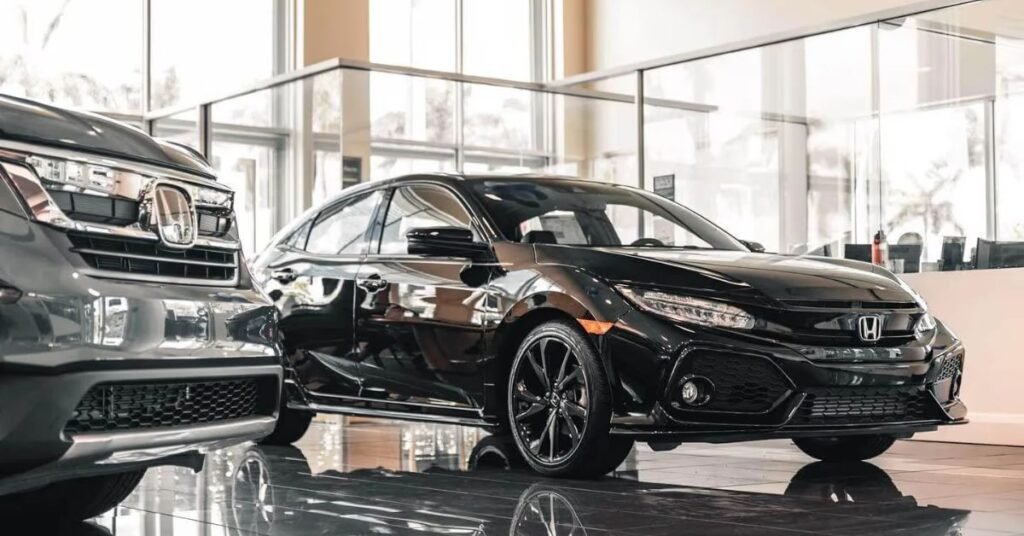
The inspection also covers the vehicle’s interior and exterior. Technicians examine the seats, dashboard, paint, windows, doors, and lights. They test the air conditioning, infotainment system, power windows, and other electrical features. They also look for rust, dents, leaks, and signs of previous repairs.
A road test is another important part of the process. It helps technicians check acceleration, braking, steering, and transmission performance. They also look for unusual noises or vibrations during driving. Buyers should review the completed inspection report to understand the vehicle’s condition before purchasing it.
Warranty Coverage and Benefits
The Honda CPO program offers additional warranty protection on eligible used vehicles. In the United States, HondaTrue Certified vehicles receive a limited warranty that covers certain repairs after the original factory warranty expires. Coverage includes important parts of the engine and transmission. The exact terms depend on the vehicle’s certification level and warranty status.
Honda also provides different benefits through its certification plans. These may include roadside assistance, rental car reimbursement, and trip interruption coverage. Some plans also offer limited powertrain protection. These benefits can help reduce unexpected expenses and make ownership easier.
Warranty coverage has specific conditions and exclusions. Regular maintenance, normal wear, and certain repairs may not qualify. Buyers should check the warranty booklet before signing the purchase agreement. They should also confirm the coverage period, mileage limits, and available benefits with the Honda dealer.
Engine and Safety Standards
Honda checks the engine and major mechanical parts before certifying a pre-owned vehicle. Technicians inspect the engine, transmission, cooling system, and exhaust components. They also look for oil leaks, unusual noises, and signs of poor maintenance. These checks help ensure that the vehicle meets Honda’s required mechanical standards.
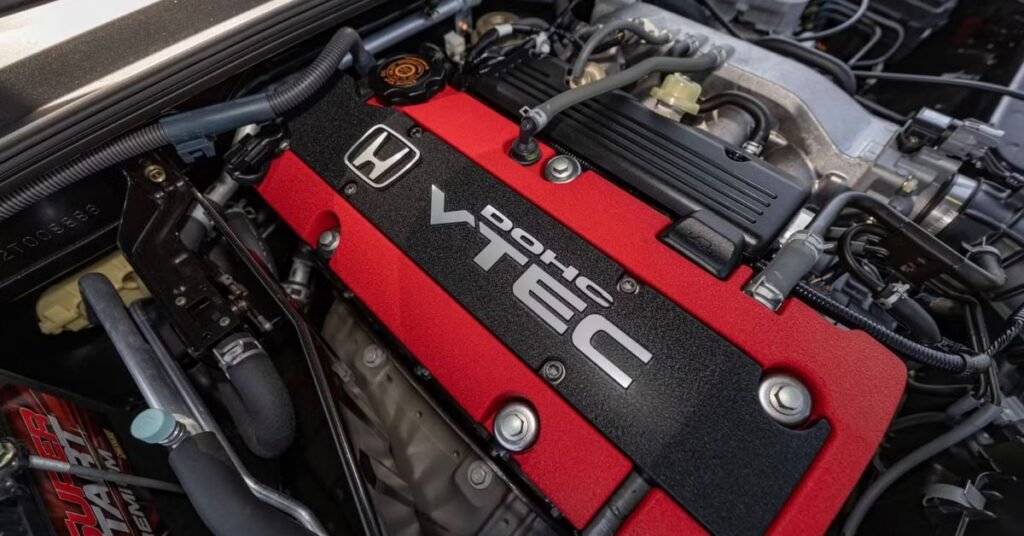
Safety is another important part of the certification process. Technicians examine the brakes, tires, steering, suspension, lights, and seat belts. They also check important safety systems, including airbags and electronic stability control. Any identified problem must be addressed according to Honda’s inspection requirements.
Honda also checks the condition of available driver assistance features. These may include a rearview camera, collision warning, and lane-keeping assistance. The exact features depend on the model and model year. Buyers should review the inspection report to confirm that the engine and safety systems are working properly.
Available Honda CPO Models
The Honda CPO program includes several popular cars, SUVs, minivans, and trucks. Buyers can find models such as the Civic, Accord, CR-V, HR-V, and Pilot. Hybrid and electric options are also available in eligible model years. The selection depends on dealership inventory, vehicle age, mileage, and certification requirements.
Honda offers different vehicle types to meet different driving needs. Some models are suitable for daily commuting, while others provide more passenger space or cargo capacity. Here are some Honda models that may be available through the certified pre-owned program in the United States.
| Honda Model | Vehicle Type | Main Purpose |
| Honda Civic | Compact Sedan/Hatchback | Daily driving and fuel efficiency |
| Honda Accord | Midsize Sedan | Comfort and family travel |
| Honda Accord Hybrid | Hybrid Sedan | Better fuel economy |
| Honda CR-V | Compact SUV | Family use and cargo space |
| Honda CR-V Hybrid | Hybrid SUV | Efficiency and practicality |
| Honda HR-V | Subcompact SUV | City driving and versatility |
| Honda Pilot | Midsize SUV | Larger families and road trips |
| Honda Passport | Midsize SUV | Outdoor trips and extra space |
| Honda Odyssey | Minivan | Family transportation |
| Honda Ridgeline | Pickup Truck | Utility and everyday driving |
| Honda Civic Si | Sport Compact Sedan | Sportier driving experience |
| Honda Civic Type R | Performance Hatchback | High-performance driving |
| Honda Prologue | Electric SUV | Fully electric driving |
| Honda Insight | Hybrid Sedan | Fuel-efficient commuting |
| Honda Clarity | Plug-in Hybrid | Electric and gasoline driving |
Honda CPO vs Used Cars
Honda CPO vehicles are different from regular used cars. A certified pre-owned Honda must pass specific inspections and meet Honda’s eligibility standards. It also comes with additional warranty protection and certain ownership benefits. Regular used cars may cost less, but their inspection and warranty coverage depend on the seller or dealership.
Both options can offer good value. However, Honda CPO vehicles provide more confidence through certification and documented checks. Here are the main differences:
- Inspection: Honda CPO cars pass a detailed inspection, while regular used cars may have different inspection standards.
- Warranty: Certified vehicles include additional warranty coverage. Regular used cars may have limited or no warranty.
- Vehicle History: CPO vehicles undergo history checks to identify past problems.
- Price: Honda CPO models usually cost more than similar non-certified used cars.
- Reliability: Certification provides extra confidence, but it does not guarantee that a vehicle will never need repairs.
- Benefits: CPO buyers may receive roadside assistance and other program benefits, depending on the certification level.
Overall, Honda CPO vehicles suit buyers who want extra protection and peace of mind. Regular used cars may be a better choice for buyers with a tighter budget.
Vehicle History and Records
Vehicle history is an important part of the Honda CPO program. Honda checks each vehicle’s background before approving it for certification. This process helps identify previous accidents, ownership changes, title problems, and reported damage. It gives buyers a clearer picture of the car’s past.
Maintenance records also help determine the vehicle’s condition. These records show previous servicing, repairs, and replacement of important parts. Honda dealers may review available service documents and vehicle history reports. A well-maintained car with proper records can provide more confidence during the buying process.
Buyers should always review the vehicle history report before making a final decision. They should check for accident records, mileage accuracy, and previous repairs. It is also useful to ask the dealer about missing service records. These steps can help buyers avoid unexpected problems after purchasing a certified Honda.
Pricing and Financing Options
Honda CPO vehicles usually cost more than similar regular used cars. The higher price reflects the inspection process, certification, and additional warranty coverage. However, they generally cost less than comparable brand-new Honda models. The final price depends on the model, year, mileage, condition, and dealership location.
Honda dealerships may offer different financing options for certified pre-owned vehicles. Buyers can explore auto loans through Honda Financial Services or other lenders. Loan terms, interest rates, and monthly payments depend on credit history, down payment, and loan duration. Some dealerships may also offer special financing deals during selected periods.
Before buying, buyers should compare prices across Honda dealerships. They should also calculate the total loan cost instead of focusing only on monthly payments. Additional expenses may include taxes, registration, insurance, and maintenance. A clear budget can help buyers choose a certified Honda that fits their financial needs.
Benefits of Certified Honda Cars
Certified Honda cars offer several benefits to used car buyers. Each eligible vehicle passes a detailed inspection before receiving certification. This helps buyers understand the car’s condition and reduces the risk of purchasing a vehicle with hidden problems. It also provides more confidence than buying an unverified used car.
Another major benefit is additional warranty protection. Honda CPO vehicles may include roadside assistance and other ownership benefits. These features can help reduce repair expenses and provide support during unexpected situations. Buyers can also choose from different Honda models, including sedans, SUVs, and hybrid vehicles.
Certified Honda cars also offer a balance between price and reliability. They usually cost less than new models while providing extra protection compared to regular used cars. Buyers can review vehicle history reports and inspection records before making a decision. These advantages make the program a useful option for people looking for a dependable used Honda.
Program Limitations and Exclusions
The Honda CPO program offers extra protection, but it has some limitations. Not every used Honda qualifies for certification. Vehicles must meet specific age, mileage, and condition requirements. The available models also depend on dealership inventory. This means buyers may not find their preferred model or trim.
Warranty coverage does not include every repair or replacement. Normal wear and tear, routine maintenance, and certain damaged parts may be excluded. Problems caused by accidents, misuse, or poor maintenance may also fall outside the coverage. The exact exclusions depend on the warranty terms and certification level.
Another limitation is the higher purchase price. Honda CPO vehicles usually cost more than similar non-certified used cars. Buyers may also face additional expenses, such as taxes, insurance, and registration fees. Before purchasing, they should review the warranty documents and inspection report carefully. This helps avoid confusion about coverage and unexpected costs.
Program Limitations and Exclusions
The Honda CPO program has certain rules and limitations. Not every used Honda can receive certification. Each vehicle must meet Honda’s age, mileage, and condition requirements. Buyers may also find limited choices in certain models, trims, or model years. Availability depends on the dealership’s current inventory.
The warranty also has some exclusions. It does not cover every repair or maintenance expense. Routine servicing, worn tires, brake pads, and other normal wear items are generally the owner’s responsibility. Damage caused by accidents, misuse, or poor maintenance may also fall outside the warranty. Buyers should read the coverage terms carefully.
Another drawback is the higher purchase price. Certified Honda cars often cost more than regular used models. Some warranty benefits may also have specific conditions and time limits. Buyers should ask the dealer about coverage restrictions, extra fees, and available services. This helps them understand the full cost before making a decision.
Honda CPO Buying Process
The first step in buying a Honda CPO vehicle is choosing a model that fits your needs and budget. Visit an authorized Honda dealership to explore available certified cars. Compare different models, trims, mileage, and prices. You can also check the dealer’s website for current inventory and vehicle details.
Next, review the vehicle history report and inspection records. Ask the dealer about previous accidents, maintenance, and repairs. Check the warranty coverage and included benefits. Take the car for a test drive to examine its handling, braking, comfort, and engine performance. Make sure all important features work properly.
Once you select a vehicle, discuss the final price and financing options. Review the purchase agreement, warranty documents, taxes, and additional fees. Ask the dealer about any remaining factory warranty and CPO coverage. After checking all the details, complete the paperwork and arrange insurance. This helps make the buying process clear and straightforward.
Maintenance and Ownership Costs
Honda CPO vehicles need regular maintenance to keep them in good condition. Owners should follow the recommended service schedule. Common maintenance tasks include oil changes, tire rotations, brake inspections, and air filter replacements. Regular servicing helps protect the engine and other important components. It can also prevent expensive repairs over time.
Ownership costs depend on the Honda model, mileage, and driving conditions. Owners should budget for fuel, insurance, registration, and routine servicing. Older certified vehicles may also need new tires, batteries, or suspension parts. Hybrid models can have different maintenance needs because of their electrical systems and battery components.
The CPO warranty can help reduce certain unexpected repair costs. However, it does not cover every maintenance task or damaged part. Owners should keep service records and use suitable replacement parts. Before buying, it is important to check the vehicle’s maintenance history. This helps estimate future expenses and make a better buying decision.
Conclusion
The Honda CPO program offers a useful way to buy a quality used Honda. It provides inspected vehicles, additional warranty coverage, and other ownership benefits. Buyers can choose from different models based on their needs and budget. However, prices and coverage can vary by vehicle and certification level.
Before purchasing, always check the vehicle history, inspection report, and warranty terms. Compare prices and explore financing options. A certified Honda can be a good choice for buyers who want extra protection and confidence. Careful research can help you find the right vehicle.
FAQs
1. What does Honda CPO mean?
Honda CPO means Honda Certified Pre-Owned. It refers to used Honda vehicles that meet specific inspection and certification standards.
2. What warranty comes with a Honda CPO vehicle?
Honda CPO vehicles include additional warranty coverage. The terms depend on the certification level and vehicle eligibility.
3. Are Honda CPO cars more expensive than regular used cars?
Yes, they usually cost more because they include inspection, certification, and additional warranty benefits.
4. Which models are available through Honda CPO?
Popular options may include the Civic, Accord, CR-V, HR-V, Pilot, and Odyssey, depending on dealership inventory.
5. Is buying a Honda CPO vehicle worth it?
Yes, it can be worthwhile for buyers who want an inspected used car with extra warranty protection and ownership benefits.
One Response
[…] The Honda Ascot was available with both manual and automatic transmissions. Some versions also featured four-wheel steering (4WS). Engine power varied by model year and trim. Overall, its engine range offered a choice between practical everyday performance and stronger power for drivers who wanted more responsive driving. […]