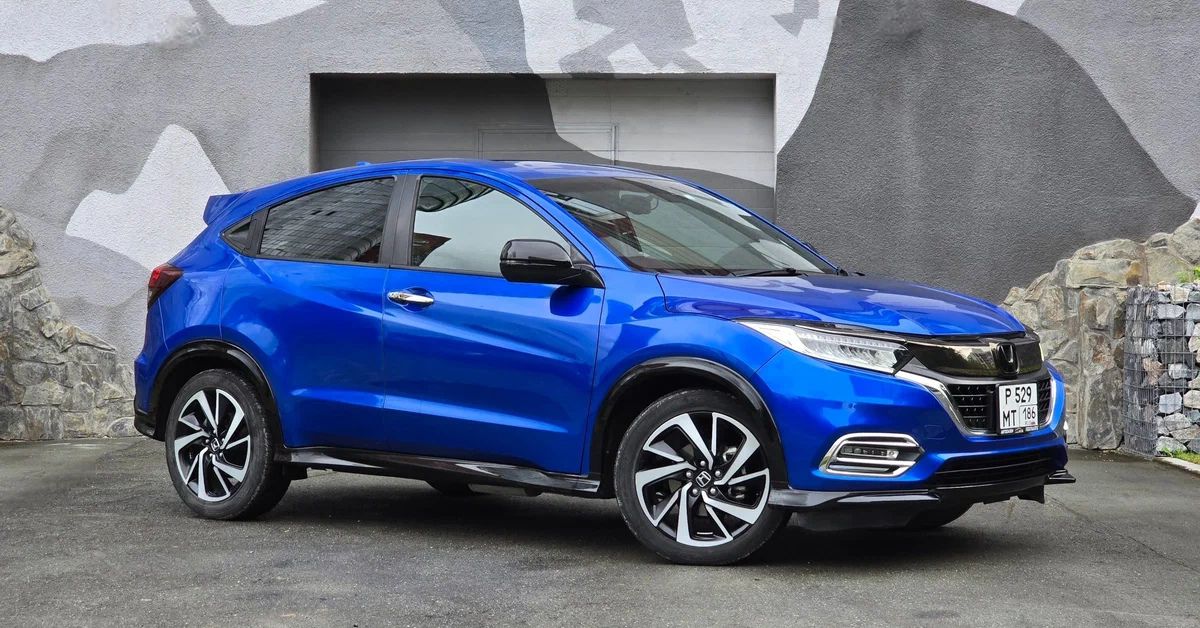
The Honda Vezel Hybrid is a compact SUV with a petrol-electric powertrain. Honda has offered hybrid versions across different Vezel generations. The newer models use the e: HEV system, while earlier versions used the SPORT HYBRID i-DCD setup.
Its small size makes it interesting for city driving. The hybrid system also adds an efficiency focus without giving up SUV practicality. But how different are the older and newer Vezel Hybrid models? The engine, transmission, equipment, and driving system can change significantly by generation and market.
This review looks at the Honda Vezel Hybrid in detail. It covers generations, engines, performance, fuel economy, design, interior space, safety, trims, dimensions, and drivetrain options. It also explains pricing and what to check when considering a used Vezel Hybrid.
Honda Vezel Hybrid Design
The Honda Vezel Hybrid has a clean and sporty SUV shape. Its design changed with each generation. The second generation, launched in 2021, uses a wider front grille and slim LED lighting. The body also has a smoother profile than the earlier model. This gives the Vezel a modern road presence.
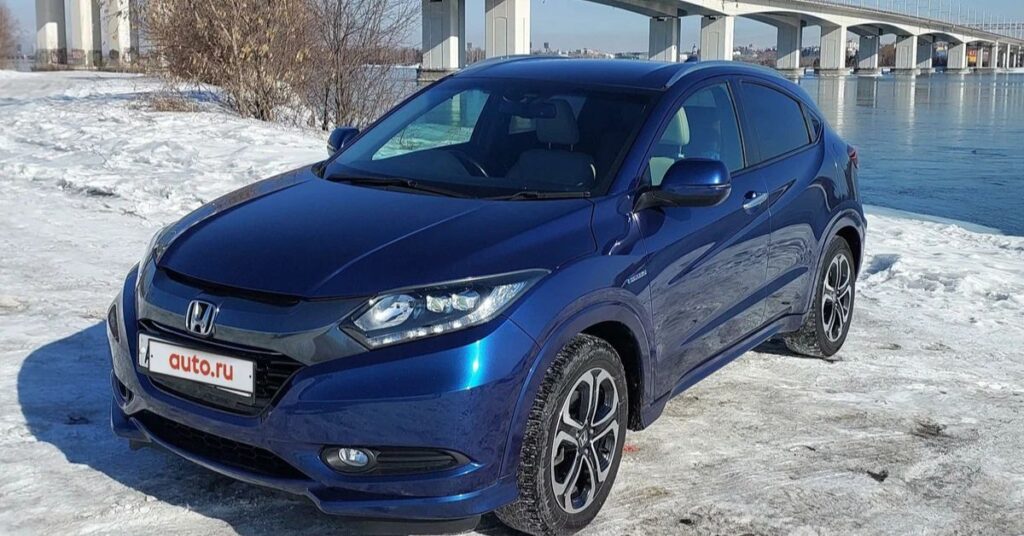
The first-generation Vezel was sold from 2013 and shared its platform with the Honda Fit. Its coupe-like roofline made the compact SUV look more dynamic. Honda also used hidden rear door handles to create a cleaner side profile. The design balanced a small footprint with useful cabin space.
The newer Vezel keeps the compact dimensions but adds sharper details. LED headlights, larger wheels, and redesigned bumpers vary by trim and market. Higher grades can have a more premium appearance. The overall design remains practical for city driving while keeping a sporty character.
Honda Vezel Hybrid Generations
The first-generation Honda Vezel arrived in Japan in 2013. It used Honda’s compact-car platform and was closely related to the Fit. The hybrid version used Honda’s SPORT HYBRID i-DCD system. It paired a 1.5-liter Atkinson-cycle petrol engine with an electric motor and a 7-speed dual-clutch transmission.
The second-generation Vezel debuted in 2021. Honda gave it a simpler exterior and a more spacious cabin. Japanese-market hybrid models use the e: HEV system instead of the older i-DCD setup. The system combines a 1.5-liter petrol engine with two electric motors. Both front-wheel-drive and four-wheel-drive versions are available in Japan.
The newer generation also brought changes to comfort and technology. Honda added features such as Honda Sensing safety equipment and a more modern infotainment layout. Trim names and equipment vary by model year and market. This makes the generation and market important when comparing used Vezel Hybrid models.
Hybrid Engine and Power
The first-generation Honda Vezel Hybrid used a 1.5-liter Atkinson-cycle four-cylinder engine with Honda’s SPORT HYBRID i-DCD system. The motor and engine worked through a 7-speed dual-clutch transmission. Japanese models produced around 152 PS of combined system output, depending on the model specification. This setup focused on smooth acceleration and low fuel use.
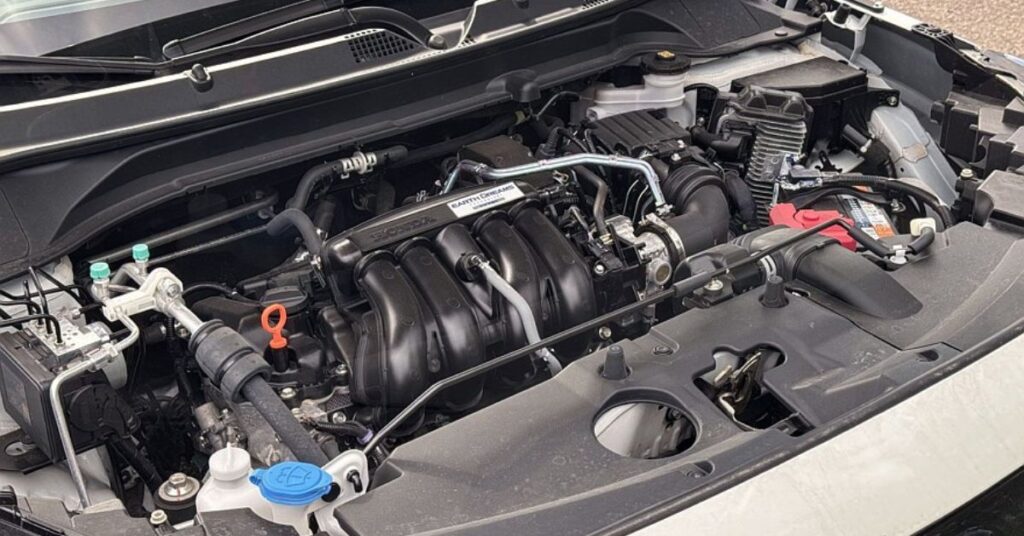
The second-generation Vezel Hybrid changed to Honda’s e: HEV system. It uses a 1.5-liter four-cylinder petrol engine with two electric motors. In this setup, the electric motor mainly drives the wheels under many driving conditions. The petrol engine can also provide direct drive at suitable speeds. Japanese e: HEV models produce 129 PS from the engine, while total system output is about 131 PS.
Honda also offered different drivetrain choices. The Vezel e: HEV is available with front-wheel drive or Real Time AWD in the Japanese market. AWD can provide extra traction on slippery roads. Power delivery feels different from a conventional petrol SUV because the electric motor provides strong low-speed torque.
Honda Vezel Hybrid Performance
The Honda Vezel Hybrid is tuned more for smooth driving than aggressive speed. In the first generation, the 1.5-liter hybrid system used an electric motor and a 7-speed dual-clutch transmission. The electric motor helped provide quick response at low speeds. This made the Vezel feel lively in city traffic.
The second-generation Honda Vezel Hybrid uses the e: HEV system. Its electric drive motor delivers strong torque at low speeds. Acceleration feels smooth because the motor can drive the wheels directly in many situations. The petrol engine mainly supports the system and can connect to the wheels at higher speeds.
Handling is another part of the Vezel’s appeal. Its compact body makes it easy to place on narrow roads and in tight parking spaces. The suspension is designed for everyday comfort. Real Time AWD versions can also improve traction on wet or slippery surfaces. Overall, the Vezel Hybrid offers a balanced mix of responsive power, easy handling, and efficient daily driving.
Honda Vezel Hybrid Fuel Economy
Fuel economy is one of the main reasons buyers consider the Honda Vezel Hybrid. The first-generation hybrid used Honda’s 1.5-liter engine with the SPORT HYBRID i-DCD system. Japanese JC08 figures for some early Vezel Hybrid versions reached about 27.0 km/L. Actual fuel use can be lower because traffic, speed, weather, and driving style all affect mileage.
The second-generation Vezel Hybrid uses the e: HEV system. Honda designed this setup to use electric drive extensively in city and low-speed conditions. Japanese WLTC figures for e: HEV models vary by drivetrain and grade. Some front-wheel-drive versions are rated at around 25 km/L, while AWD versions generally return less.
Real-world economy depends heavily on how the SUV is driven. Frequent short trips can reduce the benefit of the hybrid system. Smooth acceleration and steady speeds can help conserve fuel. It is also important to compare the same model year, trim, and drivetrain, because official figures differ between Vezel Hybrid versions.
Exterior Features
The Honda Vezel Hybrid has a compact SUV shape with a sporty profile. The first generation used a sloping roofline and hidden rear door handles. This gave the side profile a coupe-like look. The second generation moved to a cleaner design with a simpler grille and slim LED headlights.
Exterior equipment depends on the generation and trim. Newer Japanese-market models can feature LED headlights, LED rear lamps, power-folding mirrors, and different wheel designs. Higher trims may add larger alloy wheels and a panoramic glass roof. Some features are also offered as optional equipment rather than standard.
The Vezel remains easy to handle in tight urban spaces because of its compact body. Its raised ride height gives it a typical small-SUV stance. Honda also offers Real Time AWD on selected hybrid versions. This adds an exterior drivetrain component without changing the basic body design.
Interior Comfort
The Honda Vezel Hybrid has a simple and practical cabin. The second-generation model uses a horizontal dashboard layout. It also has a center screen and a separate digital driver display. The cabin design feels more open than the compact exterior suggests.
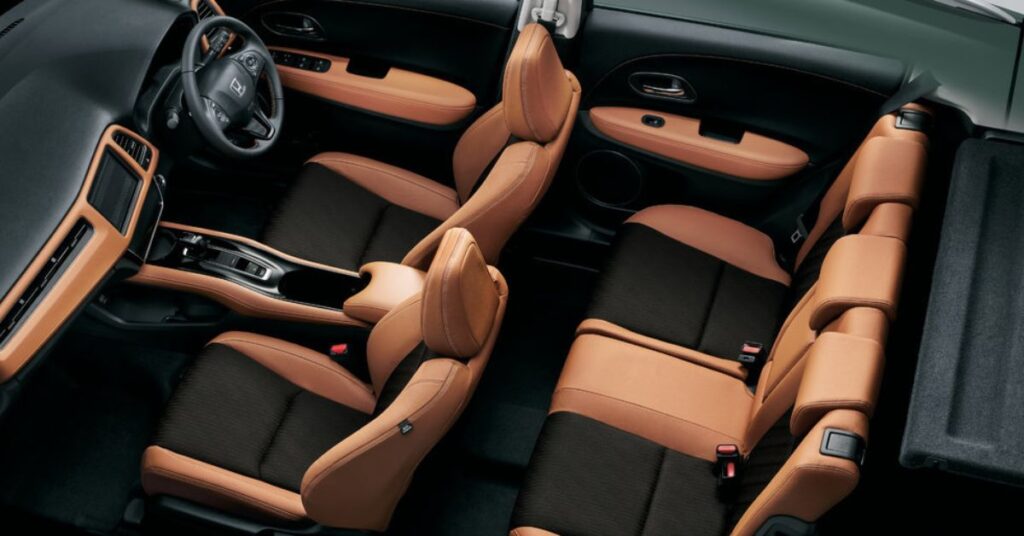
Front seats provide good support for daily driving. Honda also designed the rear area with everyday passenger use in mind. The second-generation Vezel offers rear air vents on selected specifications, which can improve comfort for passengers. Seat materials and adjustments vary between trims.
Practical storage is another useful feature. The cabin has door pockets, cupholders, and spaces for small items. Honda’s ULTR Seat arrangement from the Fit platform influenced the Vezel’s flexible interior design. This allows the rear seats to fold in useful ways for carrying taller or bulky items.
Tech and Safety
The Honda Vezel Hybrid offers useful technology for daily driving. Newer models can have a central touchscreen, digital driver display, smartphone connectivity, and USB ports. Equipment varies by year and trim. Higher grades can include a larger infotainment screen and a premium audio system.
Safety technology is a key part of the newer Vezel. Honda Sensing is available on Japanese-market models. It can include Collision Mitigation Braking System, Adaptive Cruise Control, Lane Keeping Assist, and Road Departure Mitigation. These systems use cameras and other sensors to help the driver in different situations.
The Vezel also uses standard safety hardware such as airbags, ABS, stability control, and a reversing camera on selected specifications. Newer versions can offer additional parking and visibility aids. Buyers should check the exact trim because safety and technology equipment can differ between model years and markets.
Dimensions and Cargo
The second-generation Honda Vezel is about 4,340 mm long, 1,790 mm wide, and 1,580 mm tall in Japanese-market form. Its wheelbase measures 2,610 mm. These dimensions keep the SUV compact enough for city roads. The raised body also gives it a useful driving position.
Cargo space is practical for a vehicle of this size. The rear seats can fold to create a longer loading area. Honda also provides a low and wide luggage floor. The exact cargo capacity can vary with the trim and measurement method, so figures should be compared using the same market specification.
The first-generation Vezel was slightly different in size. It measured roughly 4,295 mm long, with a 2,610 mm wheelbase. Its flexible rear-seat layout helped it carry taller items. This combination of compact dimensions and flexible seating made the Vezel useful for both daily commuting and weekend trips.
Trims and Models
Honda has offered the Vezel Hybrid in different trims across its generations. Japanese-market second-generation e: HEV models include X, Z, and PLaY grades. The e: HEV X focuses on core hybrid equipment, while the Z adds more comfort and convenience features. The PLaY grade has a more distinctive equipment package and styling. Trim names and equipment can change by model year.
The first-generation Vezel Hybrid also had several Japanese grades. These included Hybrid, Hybrid X, Hybrid Z, and Hybrid RS in different model years. Equipment ranged from basic convenience features to sportier exterior details and larger wheels. The table below shows the main grades and their typical positioning.
| Generation | Trim / Model | Hybrid System | Drivetrain | Main Characteristics |
| 1st Gen | Hybrid | 1.5L i-DCD | FWD / AWD | Core hybrid model |
| 1st Gen | Hybrid X | 1.5L i-DCD | FWD / AWD | Added comfort and equipment |
| 1st Gen | Hybrid Z | 1.5L i-DCD | FWD / AWD | Higher-grade equipment and styling |
| 1st Gen | Hybrid RS | 1.5L i-DCD | FWD | Sport-focused trim |
| 2nd Gen | e: HEV X | 1.5L e: HEV | FWD / AWD | Entry hybrid grade |
| 2nd Gen | e: HEV Z | 1.5L e: HEV | FWD / AWD | More premium equipment |
| 2nd Gen | e: HEV PLaY | 1.5L e: HEV | FWD | Distinctive styling and added features |
Transmission and AWD
The first-generation Honda Vezel Hybrid used Honda’s 7-speed dual-clutch transmission (DCT) with the SPORT HYBRID i-DCD system. The transmission combined the petrol engine and electric motor in one compact powertrain. It offered quick gear changes and helped keep the engine in an efficient operating range.
The second-generation Honda Vezel Hybrid uses Honda’s e: HEV system. It does not use the same 7-speed DCT as the earlier hybrid. Instead, the system uses an electric generator, drive motor, and engine-lock-up arrangement. The drive motor handles much of the acceleration and everyday driving.
Honda offers Real Time AWD on selected Vezel Hybrid versions in Japan. The system can send power to the rear wheels when extra traction is needed. FWD versions are lighter and generally more efficient. AWD models can be useful on wet roads, loose surfaces, and in areas with poor traction.
Honda Vezel Hybrid Price
The Honda Vezel Hybrid is mainly sold as an imported model in Pakistan. Its price can vary widely by year, grade, mileage, and condition. Current Pakistani listings show used Vezel prices from about PKR 4.35 million to PKR 10.66 million.
Newer e: HEV versions usually cost more than older hybrid models. For example, current Pakistani listings show the e: HEV Z around PKR 7.1 million, the e: HEV X around PKR 8.1 million, and the e: HEV PLaY around PKR 13.5 million. These are listing prices, so they can change with availability and vehicle condition.
Used-car buyers should check more than the asking price. Battery condition, auction grade, mileage, accident history, and import status can affect value. The exact trim also matters because Honda offers different equipment and drivetrain combinations. Comparing the model year and grade is important when checking a Honda Vezel Hybrid price.
Maintenance and Reliability
The Honda Vezel Hybrid needs regular servicing like any other hybrid SUV. Engine oil, filters, brake fluid, coolant, and other fluids should be checked at the recommended intervals. The hybrid system also needs proper inspection. On older first-generation models, the 7-speed DCT and its related components deserve particular attention.
The hybrid battery is an important part of long-term ownership. Its condition can depend on age, mileage, heat, and driving conditions. A weak battery can affect fuel economy and hybrid operation. Buyers of used Vezel models should check the battery with proper diagnostic equipment before purchase.
Reliability also depends on the generation. The first-generation Vezel Hybrid uses the 1.5-liter i-DCD system, while newer models use e: HEV technology. These systems are mechanically different, so parts and repair procedures are not the same. In Pakistan, checking parts availability and finding a technician familiar with Honda hybrid systems can make ownership easier.
Conclusion
The Honda Vezel Hybrid combines compact SUV practicality with hybrid technology. Its 1.5-liter powertrains differ between generations. The newer e: HEV system brings smooth, electric-focused driving, while the earlier i-DCD setup uses a 7-speed DCT. Features, fuel economy, and equipment also vary by trim and model year.
For used buyers, the exact generation and condition matter. Battery health, drivetrain condition, mileage, and service history can affect ownership costs. Checking the trim and import specification is also important. With the right information, buyers can better understand what a particular Honda Vezel Hybrid offers.
FAQs
1. What engine does the Honda Vezel Hybrid use?
It depends on the generation. Earlier models use a 1.5-liter i-DCD hybrid system, while newer models use Honda’s 1.5-liter e: HEV system.
2. Is the Honda Vezel Hybrid fuel efficient?
Yes. Its hybrid system is designed to reduce fuel use, especially during city driving. Official economy figures vary by generation and drivetrain.
3. Does the Honda Vezel Hybrid have AWD?
Yes. Selected Japanese-market hybrid models are available with Honda’s Real Time AWD system.
4. What transmission does the Vezel Hybrid use?
First-generation hybrids use a 7-speed dual-clutch transmission. Second-generation e: HEV models use Honda’s different multi-motor hybrid drive system.
5. Is the Honda Vezel Hybrid expensive to maintain?
Maintenance costs depend on the model year and condition. Hybrid battery health, drivetrain components, and parts availability are important factors.
One Response
[…] The third generation ran from 2016 to 2022. It moved to a more streamlined design and gained a nine-speed automatic transmission on many versions. The fourth generation began with the 2023 model year. It uses a 3.5-liter V6 with a 10-speed automatic and offers available i-VTM4 all-wheel drive. The TrailSport trim also added stronger off-road equipment and a more rugged design. […]