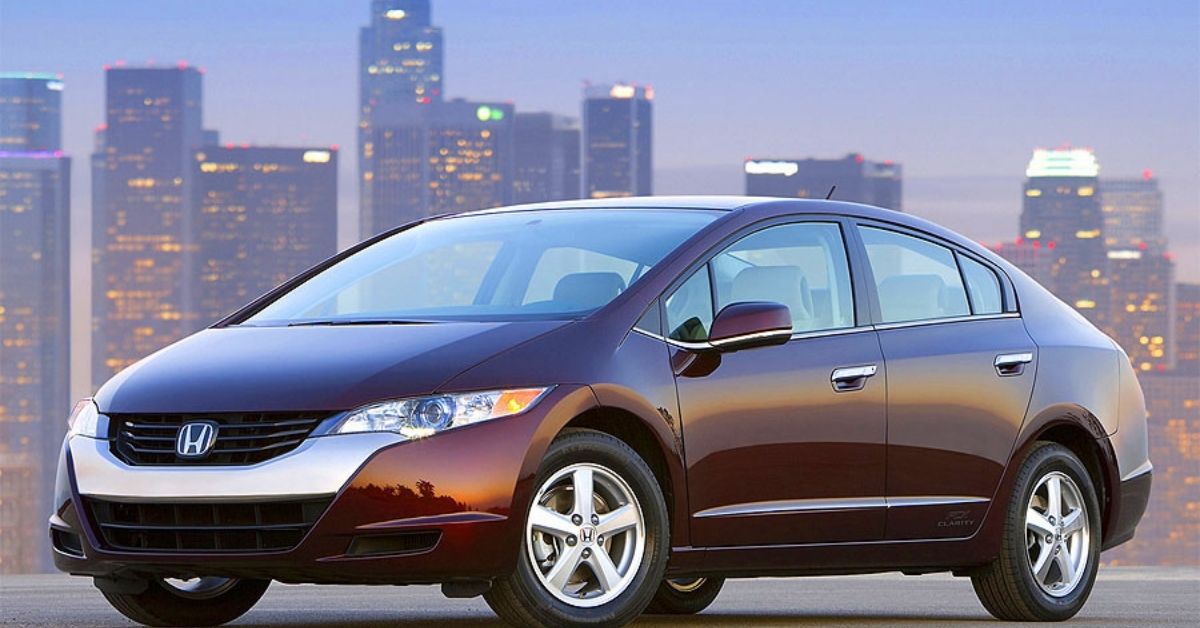
The Honda Clarity was a family of electrified cars sold in different versions. It included the Clarity Plug-In Hybrid, Clarity Fuel Cell, and Clarity Electric. The Plug-In Hybrid combined a 1.5-liter four-cylinder engine with electric motors and a 17-kWh battery.
What makes the Clarity interesting is its different approach to electric driving. The Plug-In Hybrid could handle short trips on electricity and use gasoline for longer journeys. The Fuel Cell model used hydrogen instead of gasoline or a large plug-in battery.
This Honda Clarity review looks at its range and performance in detail. It covers the Plug-In Hybrid’s electric range, fuel economy, powertrain, and driving feel. It also explains how the Clarity Electric and Fuel Cell versions differed.
Honda Clarity Powertrain Options
The Honda Clarity came with three different powertrain types. The Clarity Plug-In Hybrid used a 1.5-liter four-cylinder gasoline engine with electric motors. It paired the system with a 17-kWh lithium-ion battery for electric driving.
The Clarity Electric used a fully electric powertrain. It had a 25.5-kWh battery pack and an electric motor producing 161 horsepower and 221 lb-ft of torque. Its EPA-rated electric range was 89 miles.
The Clarity Fuel Cell used hydrogen fuel-cell technology. Its electric motor produced 174 horsepower and 221 lb-ft of torque. It generated electricity onboard from hydrogen, so it did not need a gasoline engine or conventional plug-in charging.
Honda Clarity Design
The Honda Clarity had a distinct shape that set it apart from regular sedans. The design focused on aerodynamic efficiency. Its long body and smooth surfaces helped reduce air resistance. The Clarity Plug-In Hybrid also used covered rear wheels to improve airflow.
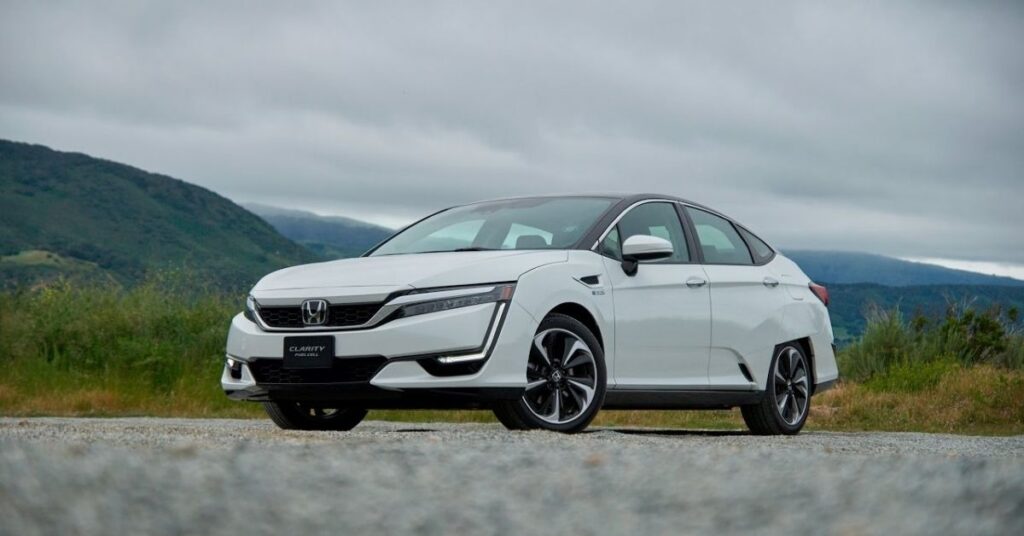
Inside, the Clarity offered a clean and practical cabin. It had seating for five people. The dashboard used a modern layout with a digital-style instrument display. The center area included controls for the powertrain and infotainment system.
The exterior design changed slightly between Clarity versions. The Electric and Plug-In Hybrid models shared many styling elements. The Fuel Cell version had its own details linked to its hydrogen system. Overall, the Clarity combined a family-sedan shape with design features aimed at efficient driving.
Engine and Electric Motor
The Honda Clarity Plug-In Hybrid used a 1.5-liter four-cylinder gasoline engine with Honda’s two-motor hybrid system. The engine worked mainly as a generator, while the electric motor provided most of the driving power. This setup gave the Clarity smooth acceleration and quiet operation.
The Clarity Electric used only an electric motor. It produced 161 horsepower and 221 lb-ft of torque. There was no gasoline engine. The motor delivered its torque instantly, which made the car responsive during city driving and quick starts.
The Clarity Fuel Cell also used an electric motor, but its electricity came from a hydrogen fuel-cell system. It produced 174 horsepower and 221 lb-ft of torque. This version kept the smooth feel of electric driving without relying on a conventional gasoline engine.
Battery and Range
The Honda Clarity Plug-In Hybrid used a 17-kWh lithium-ion battery. It offered an EPA-rated 47 miles of electric range on a full charge. After the battery was depleted, the gasoline engine allowed the car to continue driving.
The Clarity Electric had a larger 25.5-kWh lithium-ion battery. Its EPA-rated range was 89 miles. This version worked only on electricity, so drivers needed to plan around its shorter range compared with newer EVs.
The Clarity Fuel Cell followed a different approach. It stored hydrogen in high-pressure tanks instead of using a large plug-in battery. Its EPA-rated driving range reached 366 miles on a full hydrogen fill for the 2017 model. This made it better suited to longer trips where hydrogen stations were available.
Fuel Economy
The Honda Clarity Plug-In Hybrid was designed to save fuel during daily driving. Its EPA rating was 44 mpg combined when operating as a gasoline hybrid. It also offered 47 miles of electric range, which could reduce gasoline use on short trips.
The Clarity Fuel Cell did not use gasoline. It used hydrogen to generate electricity for its electric motor. The 2017 model achieved an EPA-rated 68 MPGe combined and had a 366-mile driving range.
The Clarity Electric also did not use gasoline. Its EPA-rated efficiency was 114 MPGe combined. With its 89-mile EPA range, it worked best for shorter daily trips rather than frequent long-distance travel.
Clarity Generations
The Honda Clarity was not a traditional multi-generation model like the Civic or Accord. Honda developed it mainly as a family of electrified vehicles. The first Clarity arrived as a hydrogen fuel-cell sedan in 2008. Honda later introduced the second-generation Clarity family with different powertrain choices.
- 2008 Clarity: Hydrogen fuel-cell sedan.
- 2016 Clarity Fuel Cell: Second-generation fuel-cell model.
- 2017 Clarity Electric: Battery-electric version.
- 2018 Clarity Plug-In Hybrid: Plug-in hybrid version with a gasoline engine and electric drive.
The second-generation Clarity models shared a basic sedan design but used different technologies. The Fuel Cell used hydrogen, the Electric used a battery-only powertrain, and the Plug-In Hybrid combined electricity with gasoline. Honda ended Clarity production after the 2021 model year, making the model an important part of Honda’s early electrification history.
Interior and Comfort
The Honda Clarity offered a spacious cabin with seating for five people. Its wide body created useful room for front passengers. The rear seats also provided reasonable legroom for a midsize sedan. The cabin used a clean layout with digital displays and easy-to-reach controls.
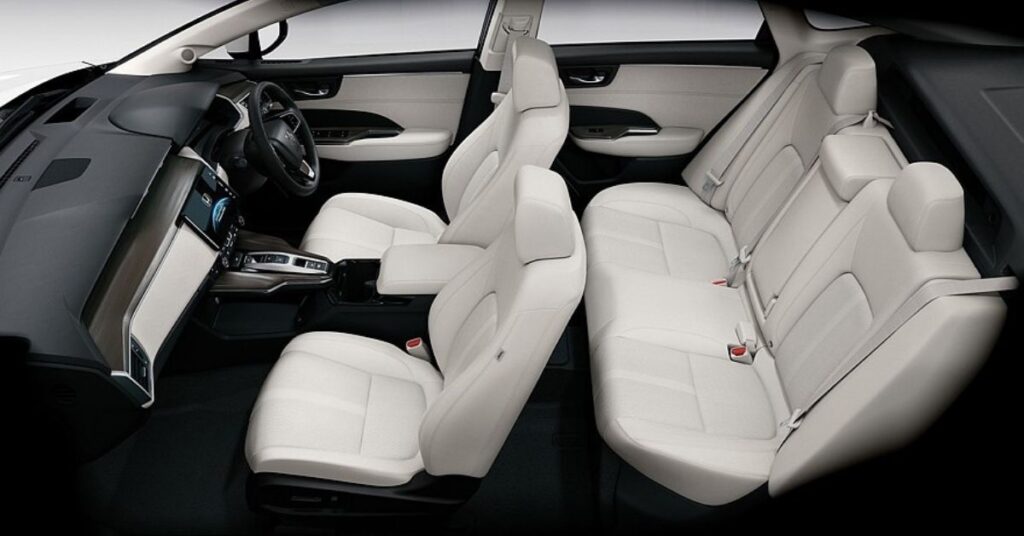
The Clarity Plug-In Hybrid Touring added more comfort-focused equipment. It included leather-trimmed seats, heated front seats, and a leather-wrapped steering wheel. The Touring trim also added navigation and other convenience features. These upgrades made the higher trim better suited to longer drives.
The Clarity also provided practical storage for daily use. The Plug-In Hybrid had a 15.5-cubic-foot trunk, while the battery-electric model had less cargo space because of its different powertrain layout. Overall, the Clarity balanced passenger comfort with the packaging demands of its electrified systems.
Technology Features
The Honda Clarity offered useful technology for everyday driving. Depending on the version and model year, it included a 7-inch Display Audio touchscreen, Bluetooth, Apple CarPlay, and Android Auto. The system also supported hands-free phone use.
The Clarity Plug-In Hybrid added technology that helped drivers monitor electric driving. Its displays showed battery charge, energy flow, and driving information. Drivers could also select different driving modes to manage the hybrid system.
Honda also fitted the Clarity with several driver-focused features. Available equipment included HondaLink, a multi-angle rearview camera, and navigation on higher trims. The technology package varied by powertrain and model year, so features were not identical across every Clarity.
Safety Features
The Honda Clarity included a strong set of safety equipment. Its standard safety structure used ACE body construction to help manage crash energy. It also came with front, side, and side-curtain airbags, along with a multi-angle rearview camera on applicable models.
Honda Sensing was available on Clarity models, depending on the version and model year. It included Collision Mitigation Braking System, Road Departure Mitigation, Adaptive Cruise Control, and Lane Keeping Assist. These systems helped reduce driver workload on the road.
The Clarity also used features such as Vehicle Stability Assist with Traction Control and an anti-lock braking system. Safety equipment varied between trims and model years. Buyers should check the exact equipment for the specific Clarity they are considering.
Honda Clarity Trims
The Honda Clarity trim lineup depended on the powertrain. The Clarity Plug-In Hybrid was offered mainly in Base and Touring trims. The Touring model added features such as navigation, leather-trimmed seating, and more convenience equipment. The Clarity Electric had a simpler single-trim setup.
| Model | Trim | Powertrain | Key Features |
| Clarity Plug-In Hybrid | Base | 1.5L hybrid + electric motors | 17-kWh battery, 47-mile EV range, Honda Sensing |
| Clarity Plug-In Hybrid | Touring | 1.5L hybrid + electric motors | Leather interior, navigation, driver-information features |
| Clarity Electric | Base | Electric motor | 25.5-kWh battery, 161 hp, 89-mile EPA range |
| Clarity Fuel Cell | Base | Hydrogen fuel cell + electric motor | 174 hp, 221 lb-ft, 366-mile EPA range |
The Clarity Fuel Cell was also sold in a single main configuration in the U.S. Its availability was limited because hydrogen fueling stations were concentrated in California. Trim names and equipment could vary by model year and market, so the exact vehicle specification should always be checked before buying.
Driving Performance
The Honda Clarity Plug-In Hybrid delivered smooth and quiet performance. Its electric motor provided strong low-speed response. The 1.5-liter gasoline engine supported longer trips when the battery charge dropped. This made the Clarity suitable for both city driving and highway use.
The Clarity Electric felt more direct because it used only an electric motor. Its motor produced 161 horsepower and 221 lb-ft of torque. Power reached the wheels quickly, giving the car responsive acceleration. Its low center of gravity also helped keep the sedan stable through corners.
The Clarity Fuel Cell offered a similar smooth electric driving feel. Its motor produced 174 horsepower and 221 lb-ft of torque. The car stayed quiet at normal speeds. Each Clarity version had a different driving character because Honda used three distinct powertrain systems.
Honda Clarity Price
The 2021 Honda Clarity Plug-In Hybrid started at $33,400 MSRP in the U.S. The higher Touring trim started at $36,600. These prices were for a new vehicle and did not include taxes, registration, or dealer-related costs.
The Clarity also offered strong value through its electric driving ability. The 2021 Plug-In Hybrid had a 47-mile EPA-rated electric range and a 340-mile combined range. Honda also noted that eligible buyers could qualify for a federal tax credit of up to $7,500, depending on their situation.
Today, the Clarity is mainly available as a used car because Honda ended production. Used prices can vary widely based on model year, mileage, condition, and powertrain. The Plug-In Hybrid is generally easier to find than the discontinued Clarity Electric or limited-availability Fuel Cell model.
Charging and Maintenance
The Honda Clarity Plug-In Hybrid used a 17-kWh lithium-ion battery. A full charge could provide about 47 miles of electric driving. It supported Level 1 and Level 2 charging, with Level 2 providing a much faster recharge than a standard household outlet.
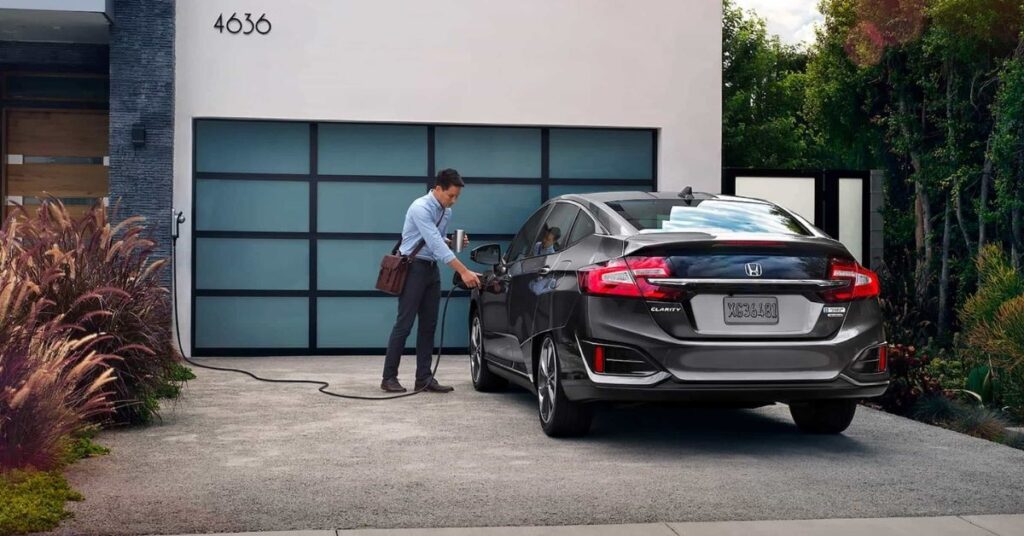
The Clarity Electric used a 25.5-kWh battery and had an 89-mile EPA range. It supported DC fast charging, which could add a significant amount of range in a short stop. The Fuel Cell version worked differently because it used hydrogen instead of plug-in charging.
Maintenance depends on the Clarity version. The Plug-In Hybrid still needs regular engine oil and filter changes because it has a gasoline engine. Electric and Fuel Cell versions have fewer conventional engine-related service needs. All versions still require checks of brakes, tires, fluids, and other wear items.
Conclusion
The Honda Clarity was an interesting step in Honda’s electrified car lineup. It offered three different choices: plug-in hybrid, fully electric, and hydrogen fuel cell. Each version had a different purpose and driving range.
The Clarity Plug-In Hybrid stands out as the most practical option for many buyers. Its 47-mile electric range can cover many daily trips without gasoline. Although production has ended, the Clarity remains an important Honda model for buyers interested in used electrified vehicles.
FAQs
1. What is the Honda Clarity?
The Honda Clarity was an electrified sedan offered as a Plug-In Hybrid, Electric, and Fuel Cell model.
2. What is the Honda Clarity Plug-In Hybrid electric range?
The Plug-In Hybrid had an EPA-rated 47-mile electric range.
3. How powerful is the Honda Clarity Electric?
The Clarity Electric produced 161 horsepower and 221 lb-ft of torque.
4. What is the Honda Clarity Fuel Cell range?
The 2017 Clarity Fuel Cell had an EPA-rated 366-mile driving range.
5. Is the Honda Clarity still produced?
No. Honda ended Clarity production after the 2021 model year, so it is now available only as a used vehicle.
One Response
[…] for a performance-oriented luxury sedan. Your priority between lower fuel use and stronger performance can guide the […]