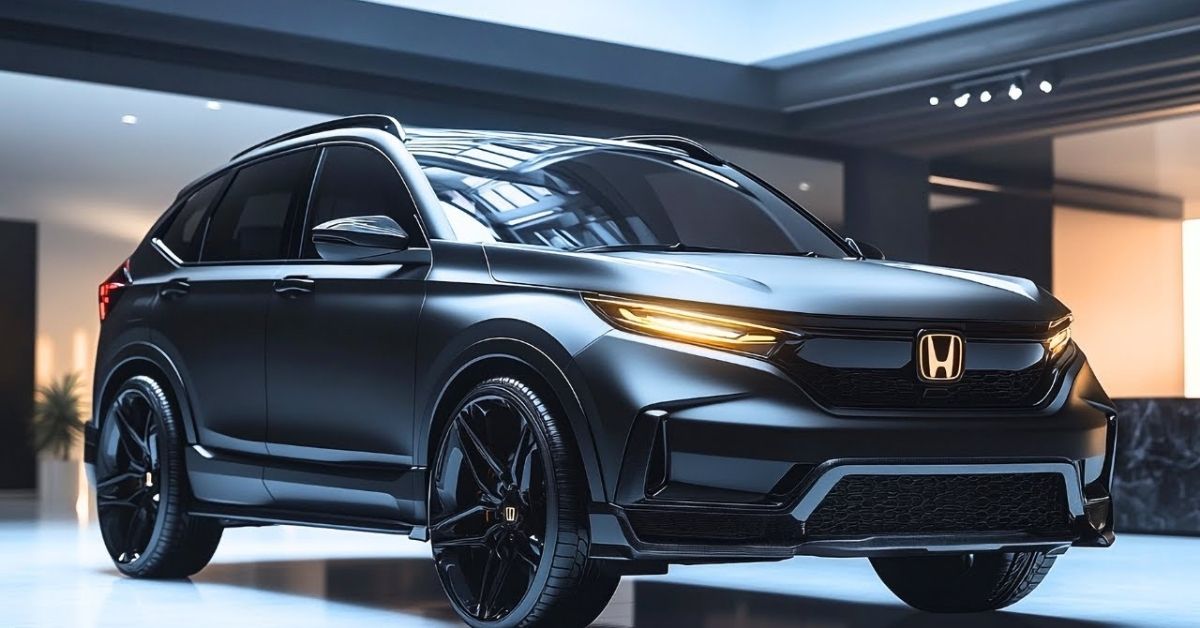
The Honda CRV is a popular compact SUV known for comfort, practicality, and fuel efficiency. Reliability means how well a vehicle performs over time with fewer repairs and problems. For many buyers, the Honda CRV has a strong reputation for dependable everyday use.
But is the Honda CRV really as reliable as people say? A car may look great and drive smoothly at first, but long-term ownership can be different. Repair costs, engine issues, maintenance needs, and model year differences can all affect reliability.
This article explains Honda CRV reliability in simple terms. We will look at common problems, maintenance costs, dependable model years, and factors that can affect long-term performance. This will help buyers know what to expect before choosing a Honda CRV.
Exterior Design and Styling
The Honda CRV has a clean and modern exterior design. Its shape looks stylish without being too bold. The body has smooth lines that give it a balanced and practical look.
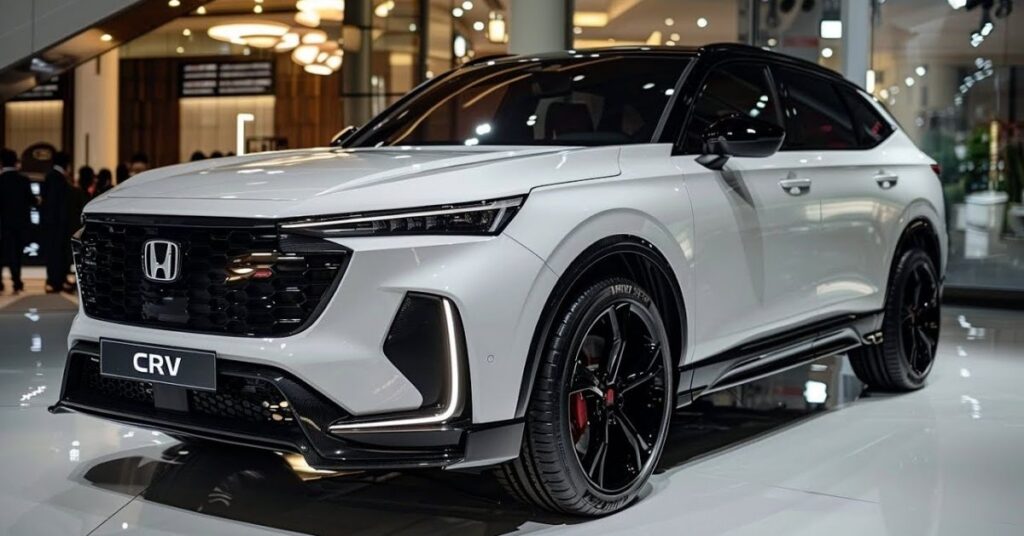
The front design includes a wide grille and sharp headlights. These features give the SUV a confident appearance. The wheels and side details also add a sporty touch.
The rear design is simple and well finished. The taillights are easy to recognize and match the overall style. Overall, the Honda CRV looks modern, practical, and suitable for both families and daily drivers.
Honda CRV Interior Features
The Honda CRV has a comfortable and practical interior. The cabin feels spacious for both the driver and passengers. The seats are designed to provide good support during short and long trips.
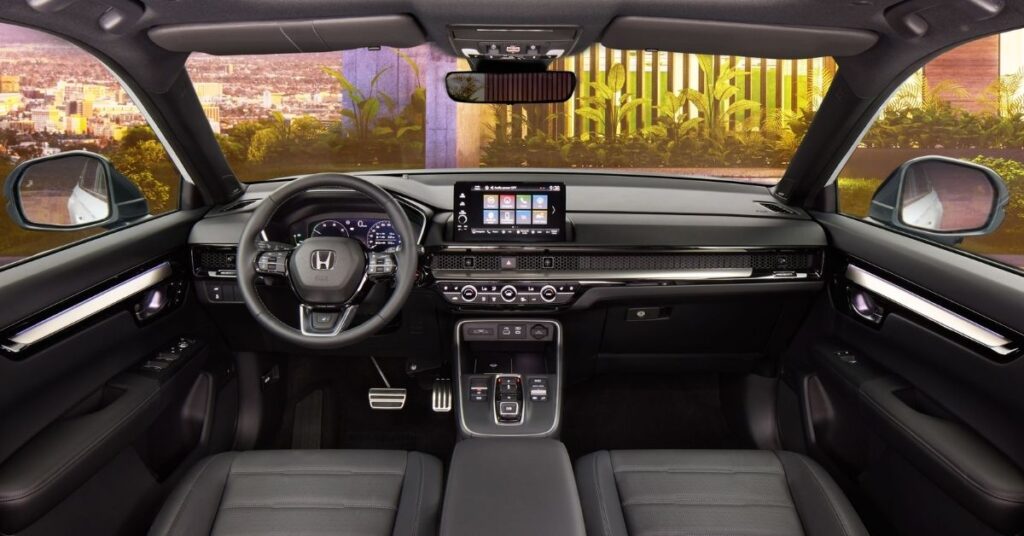
The dashboard has a clean and simple layout. Important controls are easy to reach and understand. Depending on the model, the Honda CRV may include a touchscreen, smartphone connectivity, climate control, and other useful technology.
There is also plenty of storage space inside the cabin. The rear seats offer good room for passengers, while the cargo area is useful for groceries, luggage, and everyday items. Overall, the interior is designed to make daily driving easier and more comfortable.
Honda CRV Models and Generations
The Honda CRV has been available for many years and has gone through several generations. Each generation brought changes in design, comfort, safety, and technology. Newer models usually offer more modern features and improved fuel efficiency.
Some key generations include:
- First generation: Simple design and basic features.
- Second and third generations: More space and better comfort.
- Fourth generation: Improved safety and technology.
- Fifth generation: Modern styling and stronger performance.
- Sixth generation: More advanced features, better efficiency, and updated design.
Different Honda CRV models can also vary by trim level, engine choice, and available features. Buyers should compare model years carefully because reliability, equipment, and price can be different from one generation to another.
Engine Options and Performance
The Honda CRV offers engine options designed for smooth and practical driving. Depending on the model year and market, buyers may find petrol, turbocharged, or hybrid choices. Each option is built to balance power with fuel efficiency.
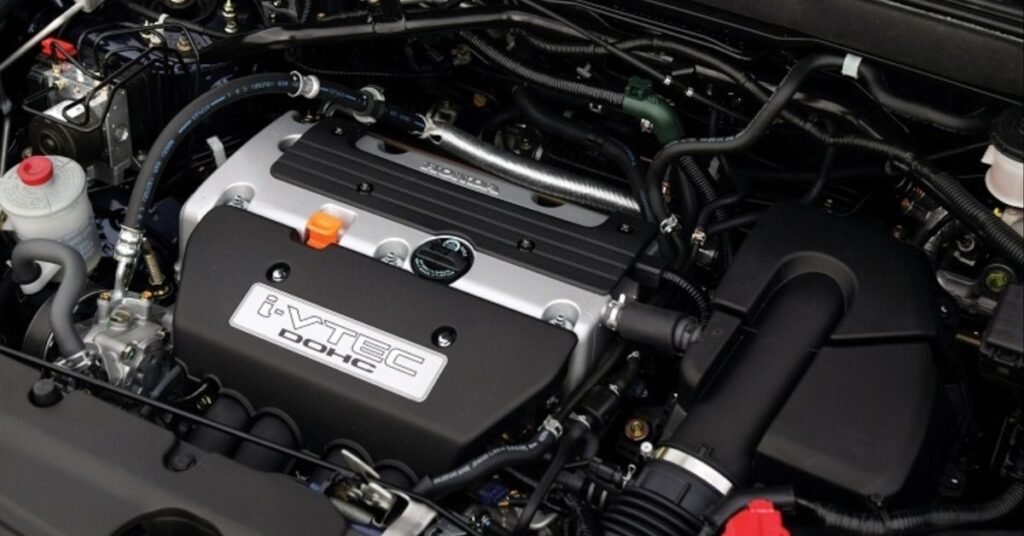
The CRV feels comfortable in daily traffic and on longer trips. Acceleration is usually smooth, and the steering is easy to control. It is not designed as a sports SUV, but it provides enough power for normal driving needs.
Some models also offer all-wheel drive for better grip on wet or rough roads. The suspension helps keep the ride comfortable on uneven surfaces. Overall, the Honda CRV delivers steady performance for families, commuters, and everyday drivers.
Fuel Economy and Efficiency
The Honda CRV is known for offering good fuel economy for a compact SUV. Its efficient engine options help reduce fuel use during daily driving. This makes it a practical choice for commuters and families.
Fuel efficiency can vary by model year, engine type, and driving conditions. Hybrid versions usually provide better mileage, especially in city traffic. Smooth driving and regular maintenance can also help improve efficiency.
The CRV balances fuel savings with everyday performance. It offers enough power for normal trips without using too much fuel. This can help lower running costs over time.
Honda CRV Safety Features
The Honda CRV comes with several safety features to protect the driver and passengers. These features are designed to make daily driving safer and more comfortable. Many models include airbags, anti-lock brakes, and stability control.
Newer Honda CRV models may also include driver assistance systems. These can include lane-keeping assist, adaptive cruise control, and automatic emergency braking. Some versions also offer blind spot monitoring and traffic sign recognition.
Safety features can vary by model year and trim level. Buyers should always check the exact equipment before purchasing. Overall, the Honda CRV offers a strong mix of basic and advanced safety technology.
Technology and Infotainment
The Honda CRV offers useful technology for everyday driving. Many models come with a touchscreen display and simple controls. The system is designed to be easy to use while driving.
Depending on the model year and trim, the CRV may include Apple CarPlay and Android Auto. These features let drivers connect their smartphones for music, calls, maps, and apps. Some models also offer USB ports, wireless charging, and a premium audio system.
The infotainment setup helps make long trips more enjoyable. Drivers can access important information without too much distraction. Overall, the Honda CRV provides practical technology for comfort, entertainment, and convenience.
Cargo Space and Practicality
The Honda CRV offers a spacious cargo area for everyday needs. There is enough room for groceries, luggage, sports gear, and other items. The wide rear opening also makes loading and unloading easier.
The rear seats can be folded down when more space is needed. This gives drivers extra room for larger items. Small storage areas inside the cabin also help keep personal items organized.
The CRV is practical for families, commuters, and long trips. Its flexible interior makes it easy to carry both passengers and cargo. This useful design is one reason many buyers choose the Honda CRV.
Honda CRV Trim Levels
The Honda CRV is available in different trim levels. Each trim offers a different mix of comfort, technology, and convenience features. This gives buyers more choice based on their needs and budget.
Lower trims usually include the main everyday features. Higher trims may add leather seats, larger screens, better audio systems, advanced safety tools, and extra comfort features. Some trims may also offer all-wheel drive or hybrid options.
Trim names and features can change by model year and market. Buyers should compare each version before making a decision. Choosing the right Honda CRV trim can help you get the features you need without paying for extras you may not use.
Reliability and Maintenance Costs
The Honda CRV has a good reputation for reliability. Many owners keep their vehicles for several years with regular care. Routine maintenance can help the engine, brakes, and other parts stay in good condition.
Maintenance costs are usually reasonable for a compact SUV. Common services include oil changes, tire rotations, brake checks, and fluid replacements. Costs can be higher if major parts need repair or replacement.
The total cost also depends on the model year, mileage, and condition of the vehicle. Older Honda CRV models may need more repairs over time. A well-maintained CRV can often provide dependable performance and lower long-term ownership costs.
Pros and Cons for Buyers
The Honda CRV has many advantages for everyday drivers. It offers a comfortable ride, good fuel economy, useful cargo space, and a roomy interior. It is also known for practical features and strong overall reliability.
There are some drawbacks to consider as well. Some buyers may find the engine performance less exciting than sportier SUVs. Higher trim levels can also become expensive, and road noise may be noticeable in certain models.
For most buyers, the Honda CRV offers a good balance of comfort, efficiency, and practicality. It works well for families, commuters, and long-distance drivers. Comparing the pros and cons can help buyers decide if it matches their needs and budget.
Comparison With Rival SUVs
The Honda CRV competes with several popular compact SUVs. Common rivals include the Toyota RAV4, Mazda CX-5, Hyundai Tucson, Kia Sportage, Subaru Forester, and Nissan Rogue. Each model has different strengths in comfort, fuel economy, technology, cargo space, and driving feel.
The Honda CRV stands out for its roomy cabin, practical cargo area, smooth ride, and strong everyday usability. Some rivals may offer sportier handling, lower prices, or different technology features. The best choice depends on the buyer’s budget, driving needs, and preferred features.
| SUV | Interior Space | Fuel Economy | Comfort | Technology | Cargo Space | Driving Feel | Best For |
| Honda CRV | Spacious | Very Good | Very Good | Modern | Large | Smooth | Families and daily driving |
| Toyota RAV4 | Spacious | Very Good | Good | Modern | Large | Firm and stable | Reliability and efficiency |
| Mazda CX-5 | Comfortable | Good | Very Good | Premium feel | Medium | Sporty | Drivers who enjoy handling |
| Hyundai Tucson | Spacious | Good | Very Good | Feature-rich | Large | Smooth | Technology-focused buyers |
| Kia Sportage | Spacious | Good | Very Good | Modern | Large | Comfortable | Value and features |
| Subaru Forester | Very Spacious | Good | Good | Practical | Large | Stable | Outdoor and all-weather use |
| Nissan Rogue | Spacious | Good | Very Good | User-friendly | Large | Comfortable | Families and commuters |
Honda CRV Price and Ownership Costs
The Honda CRV is available at different prices depending on the model year and trim level. Basic trims are usually more affordable, while higher trims cost more because they include extra comfort and technology features. Hybrid and all-wheel-drive versions may also have a higher purchase price.
Ownership costs include more than the price of the vehicle. Buyers should consider fuel, insurance, regular maintenance, tires, and possible repairs. The CRV is generally known for reasonable running costs when it is serviced on time.
Used Honda CRV models can be a good option for buyers who want to spend less. However, mileage, condition, service history, and model year can affect the total cost. Checking these details before buying can help avoid unexpected expenses later.
Conclusion
The Honda CRV is a practical SUV for many types of drivers. It offers good comfort, useful cargo space, solid fuel economy, and modern safety features. Its strong reliability record also makes it attractive for families and daily commuters.
Before buying, it is important to compare model years, trims, prices, and maintenance history. A well-maintained Honda CRV can offer dependable service for many years. For buyers who want a balanced and easy-to-own SUV, it remains a strong option.
FAQs
1. Is the Honda CRV a reliable SUV?
Yes. The Honda CRV is generally known for good reliability, especially when it receives regular maintenance.
2. Is the Honda CRV good for families?
Yes. It offers a roomy cabin, useful cargo space, comfortable seating, and practical safety features.
3. Does the Honda CRV have good fuel economy?
Yes. Most CRV models offer good fuel efficiency, while hybrid versions can provide even better mileage.
4. Is the Honda CRV expensive to maintain?
Maintenance costs are usually reasonable for a compact SUV. Regular servicing can also help prevent larger repair bills.
5. Should I buy a new or used Honda CRV?
Both can be good choices. A used CRV may cost less, but buyers should check its mileage, service history, and overall condition.
One Response
[…] The exterior design changed slightly between Clarity versions. The Electric and Plug-In Hybrid models shared many styling elements. The Fuel Cell version had its own details linked to its hydrogen system. Overall, the Clarity combined a family-sedan shape with design features aimed at efficient driving. […]