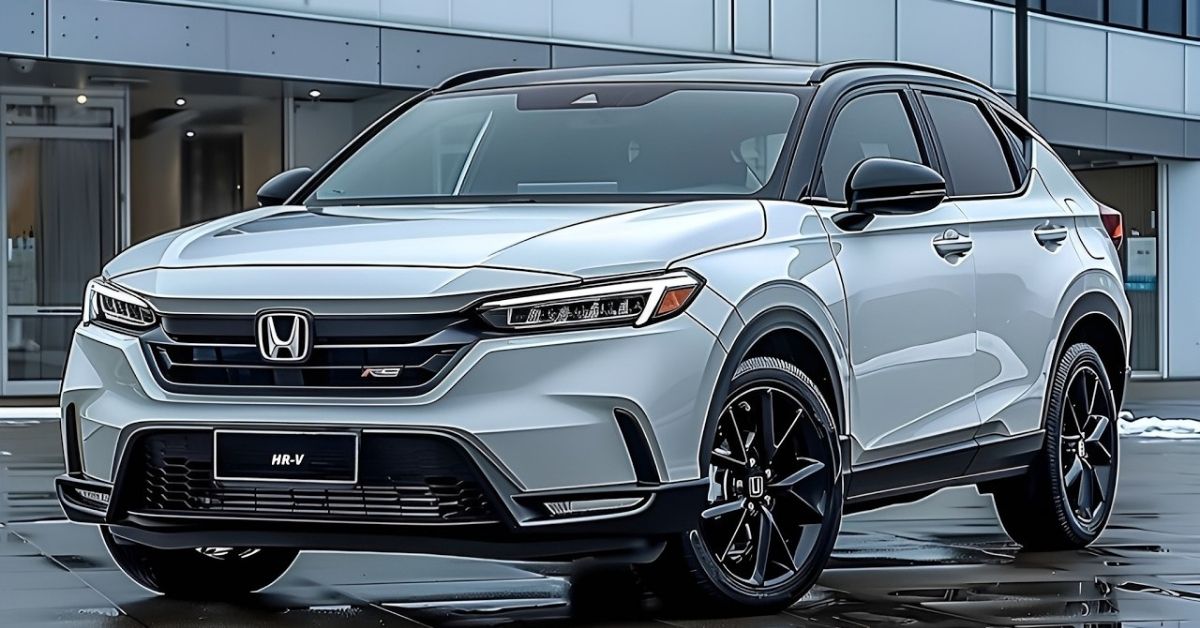
The Honda HR-V is a compact SUV made for daily driving. It offers a practical cabin, modern styling, and useful safety features. In the U.S. market, the current HR-V uses a 2.0-liter four-cylinder engine with 158 horsepower and 138 lb-ft of torque. It comes with a continuously variable transmission (CVT).
The HR-V stands out for its balanced approach. It is not built as a high-performance SUV. Instead, it focuses on easy driving, useful space, and everyday comfort. Its available all-wheel-drive system also gives buyers more flexibility in different road conditions.
This review looks closely at the Honda HR-V’s performance and comfort. We will cover its engine response, handling, ride quality, cabin space, seats, and driving experience. These details help show where the HR-V fits among today’s compact SUVs.
Honda HR-V Design and Styling
The Honda HR-V has a clean and modern SUV design. Its front end looks wide and simple. The body uses smooth lines instead of sharp shapes. LED lighting gives the newer models a more modern look. The overall design feels mature without looking too flashy.
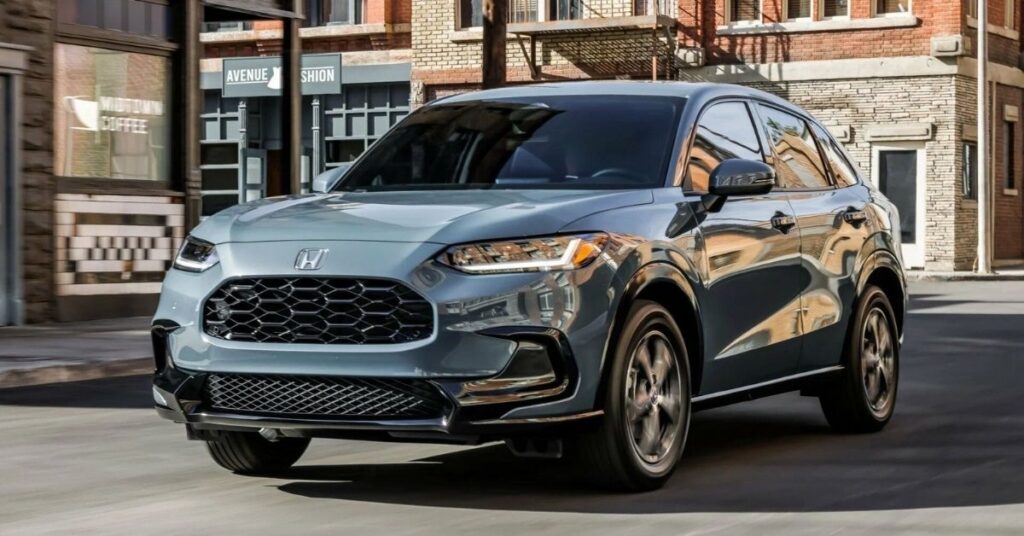
The HR-V also has practical proportions for city driving. Its raised ride height gives it an SUV-like stance. The available 17-inch and 18-inch wheels add a stronger road presence, depending on the trim. The Sport trim adds black exterior details and larger wheels for a sportier appearance.
At the rear, the HR-V keeps the design simple and balanced. The tailgate has a clean shape. The rear lights sit high on the body and help create a wider look. Overall, the HR-V combines practical dimensions with a stylish design that works well for daily use.
Honda HR-V Generations
The Honda HR-V first appeared in Japan in 1998. The first generation used a compact body and a tall, practical shape. Honda offered three-door and five-door versions. It was built on the platform related to the Honda Logo and became known for its flexible interior and compact size.
The second generation arrived in Japan in 2013 and later reached many global markets. It was sold as the Vezel in Japan and some Asian markets. This generation used Honda’s small-SUV formula with more cabin space and improved technology. Hybrid versions also became an important part of the lineup in several markets.
The third-generation HR-V launched for the 2022 model year in the United States. It moved to a larger platform shared with the Honda Civic. The U.S. version uses a 2.0-liter four-cylinder engine and offers front-wheel drive or available all-wheel drive. This generation also brought a more mature design, a wider cabin, and updated safety and technology features.
Engine and Specifications
The current U.S.-market Honda HR-V uses a 2.0-liter naturally aspirated four-cylinder engine. It produces 158 horsepower and 138 lb-ft of torque. Honda pairs this engine with a continuously variable transmission (CVT). The setup focuses on smooth and predictable daily driving rather than strong acceleration.
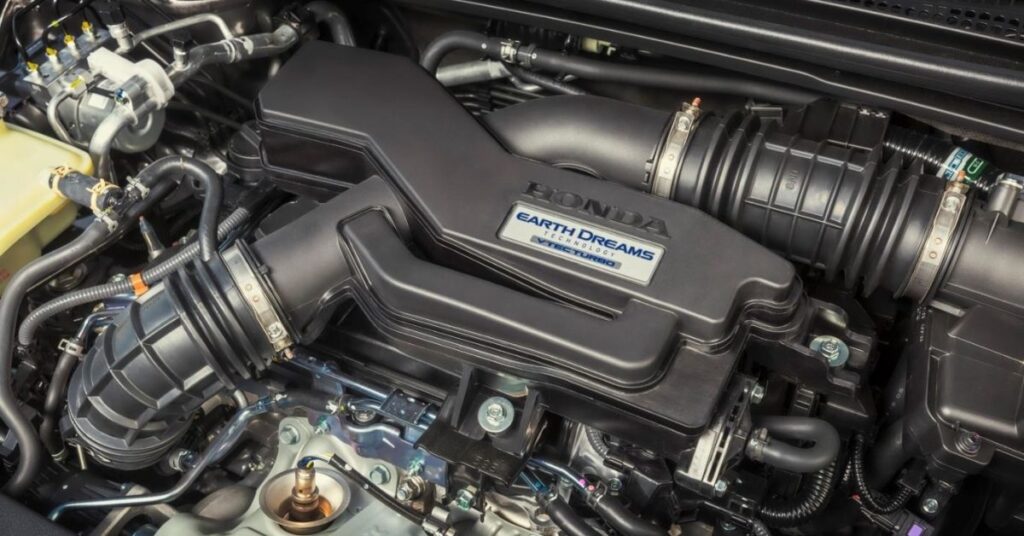
The HR-V comes with front-wheel drive (FWD) as standard. Real Time AWD with Intelligent Control System™ is available in the lineup. The SUV also uses MacPherson strut front suspension and a multi-link rear suspension. These components help the HR-V maintain a comfortable ride while keeping the handling controlled.
For the 2026 U.S. model, Honda lists an EPA-estimated 26 mpg city and 32 mpg highway for FWD versions. AWD models are rated at 25 mpg city and 30 mpg highway. The HR-V also offers 24.4 cubic feet of cargo space behind the rear seats and up to 55.1 cubic feet with the rear seats folded.
Performance and Handling
The Honda HR-V is tuned for calm and predictable driving. Its 2.0-liter engine makes 158 horsepower and 138 lb-ft of torque. The CVT keeps power delivery smooth in normal traffic. Acceleration feels adequate for city use, but the HR-V is not designed as a sporty SUV.
The HR-V uses MacPherson struts at the front and a multi-link setup at the rear. This suspension layout helps control body movement over uneven roads. The steering feels light at lower speeds, which makes parking easier. At highway speeds, the HR-V feels stable and composed.
Front-wheel drive comes standard in the U.S. market. Honda also offers Real Time AWD with Intelligent Control System™. The AWD system can send power to the rear wheels when extra traction is needed. This makes the HR-V more useful on wet roads and in light snow, although it is still primarily designed for everyday road driving.
Fuel Economy
The Honda HR-V offers reasonable fuel economy for a compact SUV. For the 2026 U.S. model, front-wheel-drive versions are rated at 26 mpg in the city and 32 mpg on the highway. The combined rating is 28 mpg. These figures make the FWD HR-V a practical choice for regular commuting.
Models with available Real Time AWD use slightly more fuel. Honda rates the AWD HR-V at 25 mpg city, 30 mpg highway, and 27 mpg combined. The difference is small, but drivers who mainly use city roads may notice the extra fuel use over time.
The HR-V does not use a hybrid powertrain in the current U.S. lineup. Its 2.0-liter four-cylinder engine works with a CVT to keep power delivery smooth and fuel use controlled. Actual mileage can vary with traffic, driving habits, weather, and vehicle load.
Exterior Features
The Honda HR-V has a clean and modern exterior. Its design changes slightly between trims. The base LX uses 17-inch alloy wheels, while the Sport and EX-L receive 18-inch alloy wheels. LED headlights and LED taillights give the SUV a sharp look and improve visibility at night.
The HR-V also includes practical exterior equipment. Heated power side mirrors are available, which can help in cold or wet conditions. The higher EX-L trim adds features such as front and rear parking sensors. A power tailgate is also available on the EX-L, making it easier to load groceries and luggage.
The Sport trim gives the HR-V a more athletic appearance. It adds gloss-black exterior accents and larger wheels. The overall shape remains compact enough for urban driving. These details give each trim a slightly different character without changing the HR-V’s practical SUV design.
Interior and Comfort
The Honda HR-V has a simple and well-organized cabin. The dashboard uses a clean layout with physical controls for common functions. The front seats provide good support for daily trips. Higher trims add features such as leather-trimmed seating surfaces and a 10-way power driver’s seat.
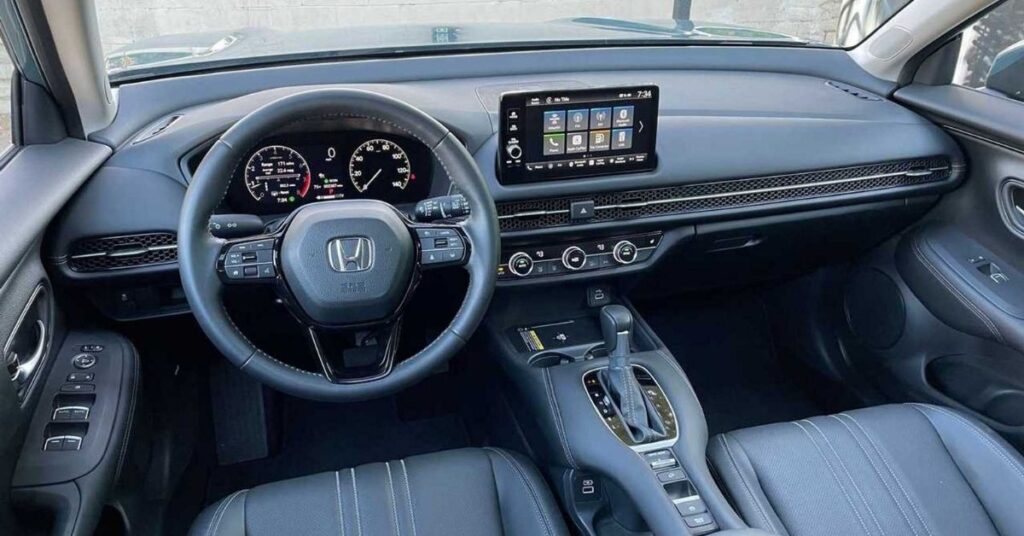
The HR-V also offers useful passenger space for its class. The rear seat can fold down when you need more room for larger items. Honda lists 24.4 cubic feet of cargo space behind the rear seats and up to 55.1 cubic feet with the rear seats folded. This makes the cabin useful for shopping, luggage, and everyday gear.
Comfort remains one of the HR-V’s stronger points. The suspension helps absorb many small road bumps without feeling overly soft. The higher EX-L trim adds features such as dual-zone automatic climate control and heated front seats. These additions make longer drives more comfortable, especially in changing weather.
Technology and Infotainment
The Honda HR-V keeps its technology simple and useful. The LX trim has a 7-inch touchscreen with Bluetooth, a USB port, and smartphone integration. The system covers the basic needs of daily driving. Physical controls also make common functions easy to access.
The Sport trim adds a 7-inch touchscreen with wireless Apple CarPlay and Android Auto. It also includes a 7-inch digital driver’s display. The system lets drivers use compatible phone apps, navigation, calls, and music through the vehicle screen. The layout is easy to understand without too many complicated menus.
The EX-L trim brings more premium technology to the cabin. It features a 9-inch touchscreen, wireless Apple CarPlay and Android Auto, and wireless phone charging. It also includes a 7-speaker, 180-watt audio system. These upgrades make the EX-L the better choice for buyers who want more connectivity and entertainment features.
Safety and Driver Assistance
The Honda HR-V comes with Honda Sensing® safety technology. This package includes several driver-assistance features. Collision Mitigation Braking System™ can help reduce the impact of a possible frontal collision. Road Departure Mitigation System can also help when the vehicle starts leaving the road without the driver intending to do so.
The HR-V also offers Adaptive Cruise Control with Low-Speed Follow and Lane Keeping Assist System. Adaptive cruise control can maintain a set distance from the vehicle ahead. Lane Keeping Assist can provide steering support to help keep the SUV within its lane. These systems are designed to assist the driver rather than replace their attention.
Higher trims add useful parking technology. The EX-L trim includes front and rear parking sensors. The HR-V also has a multi-angle rearview camera with dynamic guidelines. Together, these features can make parking and reversing easier in busy areas.
Honda HR-V vs. Rivals
The Honda HR-V competes with small SUVs such as the Toyota Corolla Cross, Subaru Crosstrek, and Mazda CX-30. The HR-V focuses on cabin space, a comfortable ride, and simple power delivery. Its 2.0-liter engine makes 158 hp, while available AWD adds extra traction for drivers who regularly face wet or slippery roads.
| Feature | Honda HR-V | Toyota Corolla Cross | Subaru Crosstrek | Mazda CX-30 |
| Engine | 2.0L 4-cylinder | 2.0L 4-cylinder | 2.0L 4-cylinder | 2.5L 4-cylinder |
| Horsepower | 158 hp | 169 hp | 152 hp | 191 hp |
| Transmission | CVT | CVT | CVT | 6-speed automatic |
| AWD | Available | Available | Standard | Available |
| HR-V Cargo Space | 24.4 cu. ft. | 26.5 cu. ft. | 20.8 cu. ft. | 20.2 cu. ft. |
| Max Cargo Space | 55.1 cu. ft. | 61.8 cu. ft. | 54.7 cu. ft. | 45.2 cu. ft. |
| Main Strength | Comfort and practicality | Cargo space | AWD capability | Stronger performance |
Among these models, the HR-V offers a good middle ground. The CX-30 has more engine power, while the Crosstrek offers standard AWD. The Corolla Cross provides more maximum cargo room. The HR-V remains a strong choice for buyers who want a balanced compact SUV with useful interior space and predictable road manners.
Trim Levels and Features
The U.S. Honda HR-V lineup uses three main trims: LX, Sport, and EX-L. The LX is the entry model and includes features such as 17-inch alloy wheels, a 7-inch touchscreen, Apple CarPlay and Android Auto, and Honda Sensing safety technology. It gives buyers the core HR-V equipment without adding many premium extras.
The Sport trim adds a stronger visual style and extra convenience features. It uses 18-inch alloy wheels and gloss-black exterior details. Inside, it adds a 7-inch digital driver’s display and wireless Apple CarPlay and Android Auto. It is a good middle option for buyers who want more equipment and a sportier appearance.
The EX-L sits at the top of the lineup. It adds a 9-inch touchscreen, wireless phone charging, leather-trimmed seating, heated front seats, and dual-zone automatic climate control. Front and rear parking sensors are also included. These features make the EX-L the most comfort-focused HR-V trim.
Honda HR-V Price and Value
The 2026 Honda HR-V starts at $26,500 MSRP for the LX trim in the U.S. The Sport trim starts at $28,300, while the EX-L starts at $30,350. Honda lists these prices before the $1,450 destination charge, taxes, registration, and other fees.
Each trim adds useful equipment as the price increases. The LX offers a 9-inch touchscreen and wireless smartphone connectivity. The Sport adds 18-inch gloss-black wheels, heated front seats, and remote engine start. The EX-L adds leather-trimmed seats, an 8-way power driver’s seat, parking sensors, and dual-zone climate control.
The HR-V also offers available Real Time AWD on all three trims. AWD costs more and lowers the EPA rating from 28 mpg combined with FWD to 27 mpg combined. For buyers who want a good balance of equipment and price, the Sport trim sits between the basic LX and more expensive EX-L.
Pros and Cons of Honda HR-V
The Honda HR-V has several strong points. It offers a roomy and practical cabin for a compact SUV. The ride feels comfortable on daily roads, and the multi-link rear suspension helps improve stability. Standard Honda Sensing features also add useful driver assistance.
There are also some drawbacks. The 2.0-liter engine provides 158 horsepower, so acceleration can feel modest when the vehicle is fully loaded. The CVT focuses on smooth driving and fuel efficiency rather than sporty performance. Some rivals also offer more powerful engines or hybrid options.
Overall, the HR-V suits buyers who value comfort and practicality over quick performance. Its available AWD, useful cargo area, and simple interior make it suitable for daily use. However, drivers who want stronger acceleration or higher fuel efficiency may find a rival that better matches their needs.
Conclusion
The Honda HR-V is a practical choice for everyday driving. Its 2.0-liter engine delivers 158 horsepower, while the comfortable suspension makes daily trips easy. The cabin offers useful space, modern technology, and several helpful safety features. Available AWD also gives buyers more flexibility.
The HR-V is not the fastest SUV in its class. However, it focuses on comfort, practicality, and easy handling. Its trim choices also let buyers choose between basic value and more premium features. For drivers who want a simple and well-rounded compact SUV, the HR-V remains a solid option.
FAQs
1. What engine does the Honda HR-V use?
The current U.S. HR-V uses a 2.0-liter four-cylinder engine with 158 horsepower and 138 lb-ft of torque.
2. Is the Honda HR-V available with AWD?
Yes. Real Time AWD with Intelligent Control System™ is available across the U.S. HR-V lineup.
3. How much cargo space does the HR-V have?
It offers 24.4 cubic feet behind the rear seats and up to 55.1 cubic feet with the rear seats folded.
4. How fuel-efficient is the Honda HR-V?
The 2026 FWD HR-V is rated at 26 mpg city and 32 mpg highway, with 28 mpg combined.
5. What are the main Honda HR-V trims?
The U.S. lineup includes LX, Sport, and EX-L trims, with each adding different comfort, technology, and styling features.
One Response
[…] finished. The taillights are easy to recognize and match the overall style. Overall, the Honda CRV looks modern, practical, and suitable for both families and daily […]