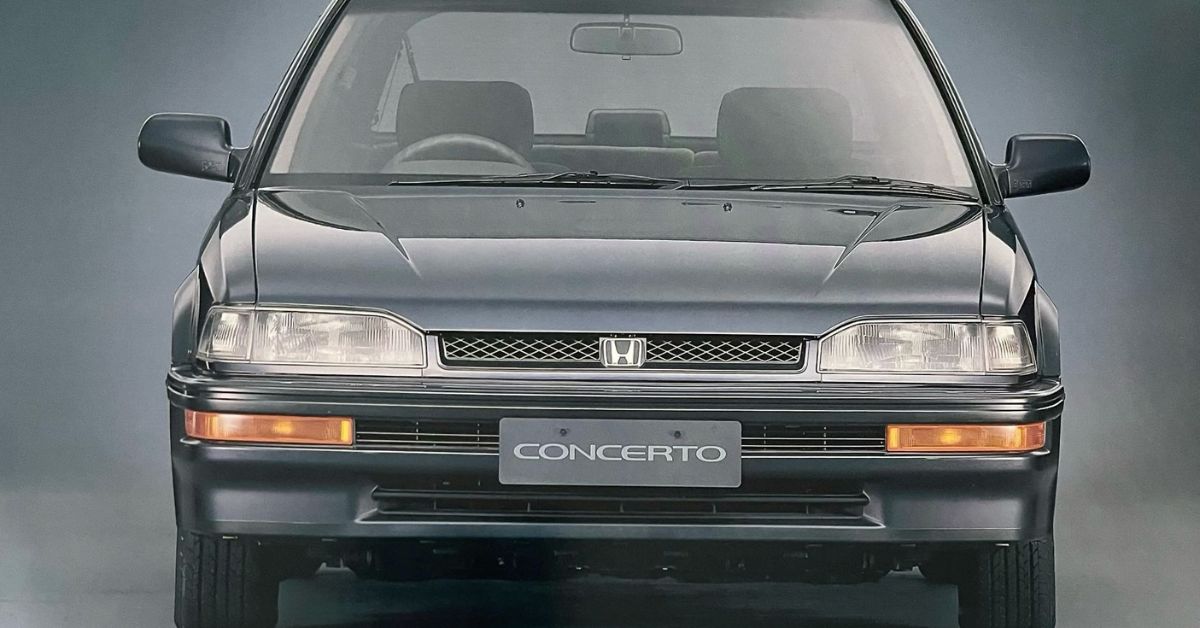
The Honda Concerto is a compact car that Honda produced from the late 1980s into the early 1990s. It was offered in sedan and hatchback body styles. The car was designed to give drivers a mix of comfort, practicality, and reliable everyday performance.
What makes the Honda Concerto interesting is its connection with Rover. Honda worked closely with the British company during this period. Because of this partnership, the Concerto shared several design and engineering ideas with the Rover 200 and 400 models.
The Honda Concerto came with different engine and transmission options depending on the market. It also offered a comfortable interior, simple controls, and useful features for its time. This article covers its history, specifications, design, performance, reliability, and other important details.
Honda Concerto Overview and Background
The Honda Concerto was a compact family car introduced by Honda in the late 1980s. It was mainly sold in European and Japanese markets. The car was available in sedan and hatchback body styles.
Honda developed the Concerto during its partnership with the British company Rover. This connection influenced the car’s design and engineering. It also shared some features and components with the Rover 200 and Rover 400 models.
The Concerto was designed to provide comfort, practicality, and reliable everyday driving. It came with several petrol engine choices and useful features for its time. Today, it remains an interesting and relatively rare model in Honda’s history.
Honda Concerto History
The Honda Concerto was introduced in 1988 as a compact car for buyers who wanted comfort and practicality. It was developed during Honda’s close partnership with Rover in the United Kingdom. This gave the car a mix of Japanese engineering and European influence.
The Concerto shared parts of its platform and design with the Rover 200 and Rover 400. Honda offered the model in different body styles and with several engine choices. It was sold in markets such as Europe and Japan.
Production continued into the early 1990s before the model was discontinued. The Concerto never became as famous as the Civic or Accord. Still, it remains an interesting part of Honda’s history because of its connection with Rover and its unusual place in the compact car market.
Exterior Design and Styling
The Honda Concerto had a clean and simple exterior design. Its shape was practical rather than sporty. The smooth body lines gave it a neat and balanced look.
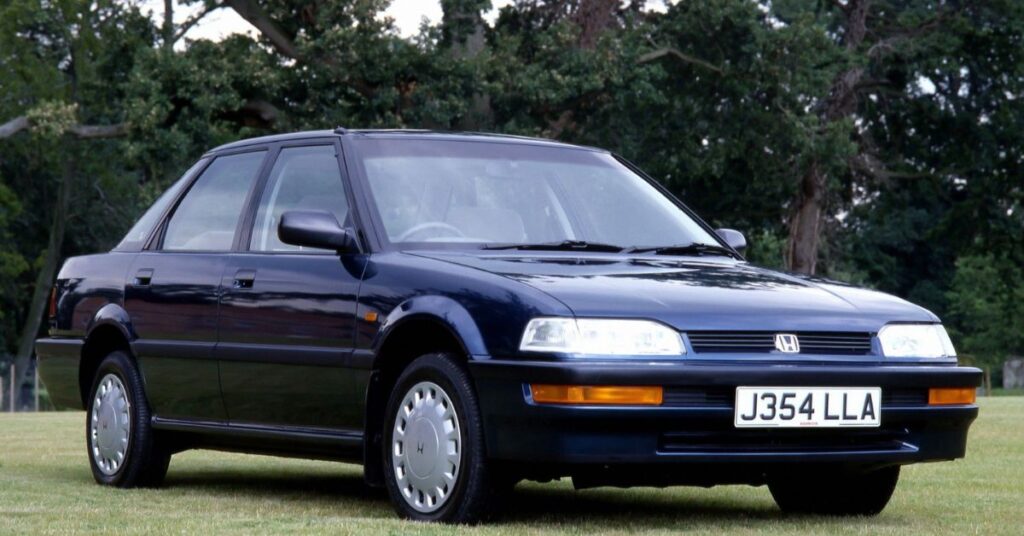
The front featured slim headlights and a modest grille. The sedan version looked more formal, while the hatchback offered extra practicality. Both styles reflected the design trends of the late 1980s and early 1990s.
Honda kept the overall styling simple and easy to recognize. Large windows helped improve visibility from inside the car. Today, the Concerto has a classic appearance that appeals to fans of older Japanese cars.
Interior and Comfort Features
The Honda Concerto had a simple and practical interior. The dashboard was easy to understand. The controls were placed where drivers could reach them without much effort.
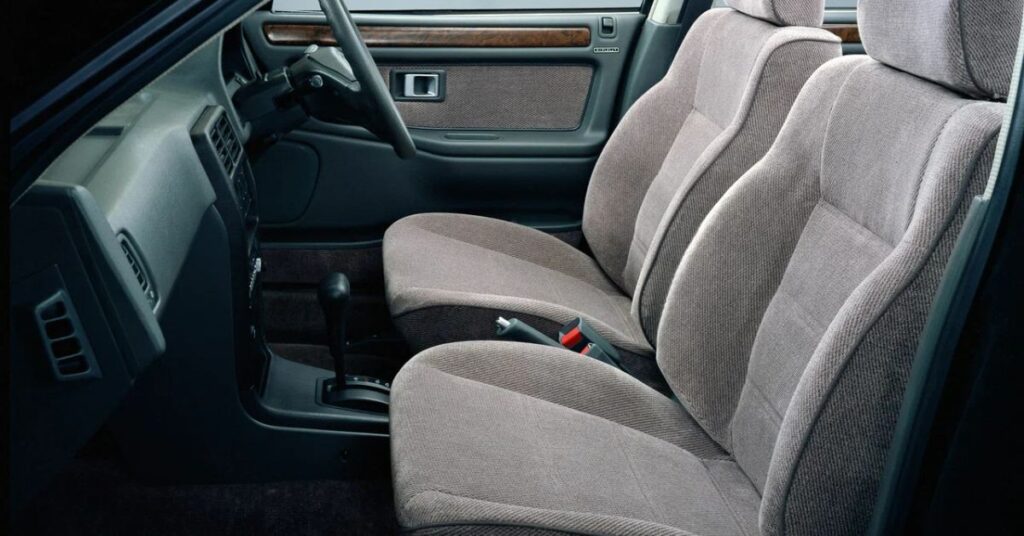
The seats were designed for everyday comfort. There was enough space for small families and daily trips. Large windows also made the cabin feel more open and helped improve visibility.
Some versions came with useful features such as power windows, central locking, and air conditioning. Equipment levels varied by market and trim. Overall, the interior prioritized comfort and functionality over luxury.
Honda Concerto Engine Options
The Honda Concerto was offered with several petrol engine choices. The exact engines depended on the market and model year. Most options were small four-cylinder units designed for daily driving.
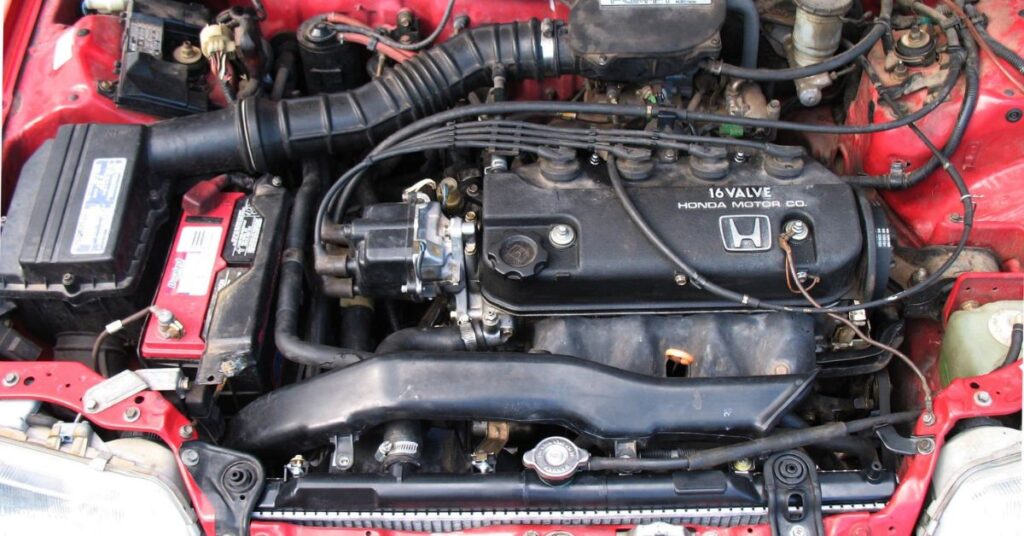
Common engine sizes included 1.4-liter, 1.5-liter, and 1.6-liter versions. Some models focused on fuel economy, while others offered stronger performance. Honda used engines that were known for smooth operation and simple maintenance.
Buyers could also find different transmission choices with these engines. Manual gearboxes were common, while automatic versions were available in some markets. Overall, the Honda Concerto engine range was built to balance reliability, economy, and everyday performance.
Performance and Transmission
The Honda Concerto was designed more for smooth daily driving than high-speed performance. Its smaller engines offered steady power for city roads and regular highway use. The 1.6-liter versions generally provided the strongest performance in the range.
Most Honda Concerto models came with a manual transmission. Automatic transmission options were also available in some markets. The gear changes were designed to feel simple and easy during normal driving.
The car was light and easy to control. This helped it feel responsive on narrow roads and around town. Overall, the Concerto offered balanced performance with a strong focus on comfort, economy, and everyday use.
Model Years and Versions
The Honda Concerto first appeared in Japan in 1988 and reached European markets in 1989. It was offered as a four-door sedan and a five-door liftback. Different versions were sold depending on the country, with 1.4-liter, 1.5-liter, and 1.6-liter petrol engines among the main choices.
Japanese production ended in 1992, while UK-built versions continued for several more years. Buyers could find front-wheel-drive models, while Japan also received a four-wheel-drive sedan. Manual and automatic transmissions were available, and trim levels differed between markets.
| Model/Period | Body Style | Engine Options | Drive | Transmission | Main Market |
| 1988 Concerto | 4-door sedan | 1.5L, 1.6L | FWD | Manual/Automatic | Japan |
| 1988 Concerto | 5-door liftback | 1.5L, 1.6L | FWD | Manual/Automatic | Japan |
| 1988–1992 Concerto | 4-door sedan | 1.6L | 4WD available | Manual/Automatic | Japan |
| 1989–1990 Concerto | 5-door liftback | 1.4L, 1.5L, 1.6L | FWD | Manual/Automatic | Europe |
| 1989–1993 Concerto | 4-door sedan | Various petrol engines | FWD | Manual/Automatic | Europe |
| 1991–1994 Concerto | 5-door liftback | 1.5L, 1.6L | FWD | Manual/Automatic | Europe |
| Later UK versions | 5-door liftback | Petrol and selected diesel versions | FWD | Mainly manual | UK/Europe |
Exact engines, trim names, and availability varied by country and model year.
Honda Concerto vs Rover 200
The Honda Concerto and Rover 200 were closely related cars. They were developed during the partnership between Honda and Rover. Both models shared parts of their engineering and had similar dimensions. However, each brand gave its car a different look, interior style, and choice of engines.
The Honda Concerto generally focused on Honda engines, simple controls, and dependable everyday driving. The Rover 200 had a more British design and offered its own range of engines and trim levels. The exact specifications varied by model year and market, so the differences were not uniform across all versions.
- Brand: The Honda Concerto was sold by Honda, while the Rover 200 was sold by Rover.
- Design: Both were related, but their exterior and interior styling differed.
- Engines: Engine choices varied between the two brands and markets.
- Driving: Both were designed mainly for comfortable everyday use.
- Availability: The Rover 200 became more common in the UK, while the Concerto is relatively rare today.
Fuel Economy and Efficiency
The Honda Concerto was designed to be an economical car for daily use. Its smaller petrol engines helped keep fuel use reasonable. This made it a practical choice for city driving and regular commuting.
Fuel economy depended on the engine, transmission, and driving conditions. The smaller 1.4-liter and 1.5-liter engines usually focused more on efficiency. The 1.6-liter versions offered stronger performance but could use slightly more fuel.
The Concerto’s light body also helped improve efficiency. Manual versions could be especially economical when driven smoothly. Overall, the Honda Concerto offered a good balance between fuel use, comfort, and everyday performance.
Handling and Ride Quality
The Honda Concerto was built to offer easy and comfortable driving. Its steering felt light and simple to control. This made the car suitable for city streets and everyday trips.
The suspension was tuned more for comfort than sporty driving. It could handle small bumps and rough roads without making the ride too harsh. The car also felt stable at normal highway speeds.
Its compact size made it easy to park and move through narrow roads. The Concerto was not designed as a performance car, but it offered predictable handling. Overall, the ride quality was practical, smooth, and well suited for daily use.
Reliability and Common Problems
The Honda Concerto has a reputation for simple engineering and solid everyday reliability. Many of its petrol engines can last well when they receive regular servicing. Oil changes, cooling system checks, and timely replacement of worn parts are important on older examples.
Age is now one of the biggest concerns with this car. Rust may appear around the wheel arches, sills, doors, and underbody. Owners may also face worn suspension parts, electrical faults, leaking seals, or problems with old hoses and cooling components.
Finding replacement parts can also be harder because the Concerto is now a rare model. Some mechanical parts may still be available through Honda specialists or shared components from related cars. A careful inspection and good service history are important when buying one today.
Honda Concerto Price
The Honda Concerto price is usually quite affordable compared with many classic Japanese cars. In the UK, current asking prices are roughly £1,800 to £4,700, depending on condition, mileage, and specification. A 1991 Concerto with about 45,650 miles was recently advertised for £1,800.
Across Europe, Honda Concerto prices currently range from about €1,800 to €5,500 for many listed examples. Cars with lower mileage, better condition, or desirable 1.6-liter versions can sit near the higher end of that range.
The final price depends heavily on rust, service history, originality, and overall condition. Classic-market data places the average value of a Honda Concerto at around £2,148, although individual cars can sell for more or less.
Honda Concerto Specifications
The Honda Concerto specifications varied by market, model year, and trim level. The car was sold with several petrol engines, including 1.4-liter, 1.5-liter, and 1.6-liter options. Some versions were also available with manual or automatic transmission.
Most models used front-wheel drive, while selected Japanese versions offered four-wheel drive. The Concerto was available as a four-door sedan and a five-door hatchback. Its compact size made it suitable for city driving and everyday family use.
The exact power output, weight, dimensions, and equipment depended on the version. Higher-spec models usually had stronger engines and more comfort features. Overall, the Honda Concerto combined practical dimensions, simple engineering, and useful performance for its class.
Conclusion
The Honda Concerto is a small and practical car with an interesting history. It combined Honda engineering with some European influence through its connection with Rover. Its simple design, useful engine choices, and comfortable ride made it a solid everyday car for its time.
Today, the Concerto is much less common than models like the Civic or Accord. That makes it more interesting to classic Honda fans and collectors. A well-kept example can still offer reliable driving, simple ownership, and a unique place in Honda’s past.
FAQs
1. What is the Honda Concerto?
The Honda Concerto is a compact car produced by Honda in the late 1980s and early 1990s. Moreover, it was mainly sold in Japan and Europe. In addition, it was available in different body styles and engine options. Therefore, it became a practical choice for drivers looking for comfort and everyday usability.
2. What engines were available in the Honda Concerto?
The Honda Concerto came with 1.4-liter, 1.5-liter, and 1.6-liter petrol engines. However, engine availability varied depending on the market and model year.
3. Is the Honda Concerto reliable?
Yes, the Honda Concerto can be reliable when properly maintained. However, buyers should check for rust, worn parts, and other age-related problems.
4. Is the Honda Concerto related to the Rover 200?
Yes, the two cars were developed during Honda’s partnership with Rover. As a result, they shared some engineering, components, and design ideas.
5. Is the Honda Concerto rare today?
Yes, the Honda Concerto is now quite rare in many markets. Therefore, well-maintained examples can be especially interesting to classic Honda enthusiasts.
No Responses