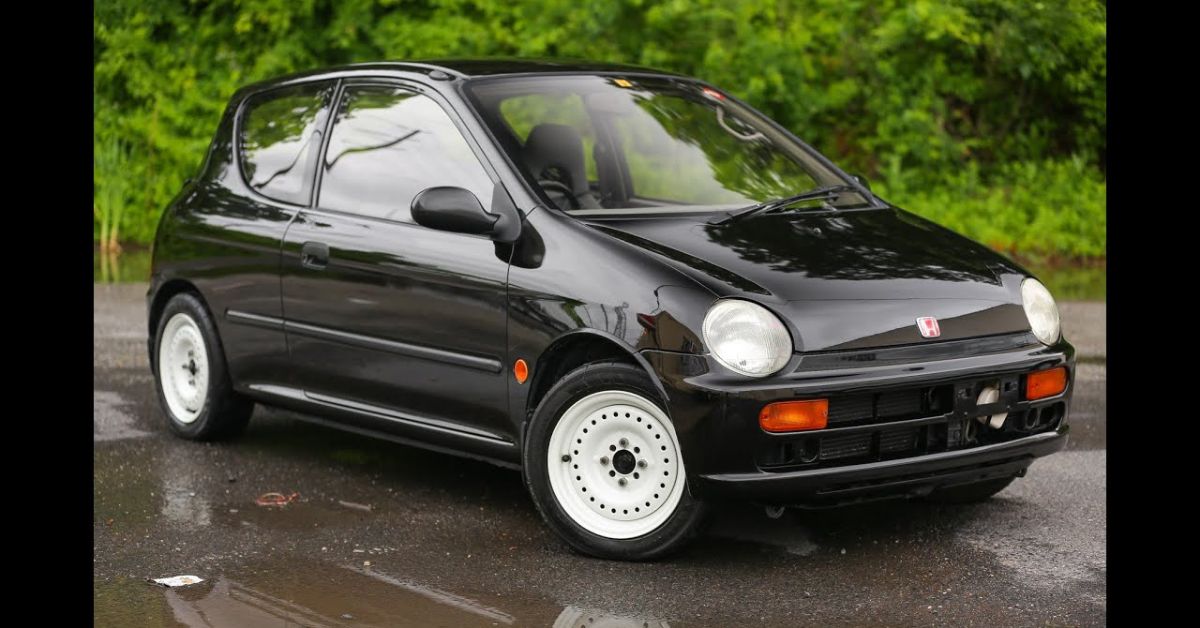
The Honda Today is a small kei car designed for city driving. It first appeared in Japan in 1985. Honda designed it to offer easy handling, low running costs, and a compact size. Its small engine also helped it meet Japan’s kei car rules.
Small cars can be more fun than they look. The Honda Today proves this with its light body and simple design. It feels easy to drive in busy streets and tight parking areas. Its compact size also makes it practical for everyday use.
In this article, we will explore the Honda Today in detail. We will look at its engine, performance, design, comfort, and fuel economy. We will also discuss its price, reliability, maintenance needs, and value in the used car market.
History of Honda Today
Honda introduced the Today in Japan in 1985. It entered the kei car market as a small and practical city car. Honda focused on a compact body, simple design, and good fuel economy. The car suited drivers who wanted an easy daily vehicle.
The first-generation Honda Today used small engines built for kei car regulations. Honda later updated the design and added more features. In 1993, the second generation arrived with a more rounded body and a wider cabin. It offered a more modern look than the earlier model.
Honda ended production of the Today in 1998. The model remained known for its small size and practical nature. Today, older Honda Today cars attract interest from kei car fans and collectors. Its simple design and lightweight build give it a unique place in Honda’s history.
Generations and Years
The first-generation Honda Today launched in 1985. Honda built it as a small kei car for city use. It had a compact body and a simple design. The model focused on easy driving and good fuel economy.
Honda introduced the second generation in 1993. It received a more rounded body and a roomier interior. Honda also improved its engine and driving feel. The new design gave the Today a more modern appearance.
Honda stopped production of the Today in 1998. The model had a production run of about 13 years. Both generations are now older kei cars. They remain interesting to fans of classic Japanese compact cars.
Engine and Performance
The Honda Today used small engines designed for Japan’s kei car class. Early models came with a 545cc engine. Later versions used a 656cc engine. These engines focused more on fuel economy and city driving than high power.
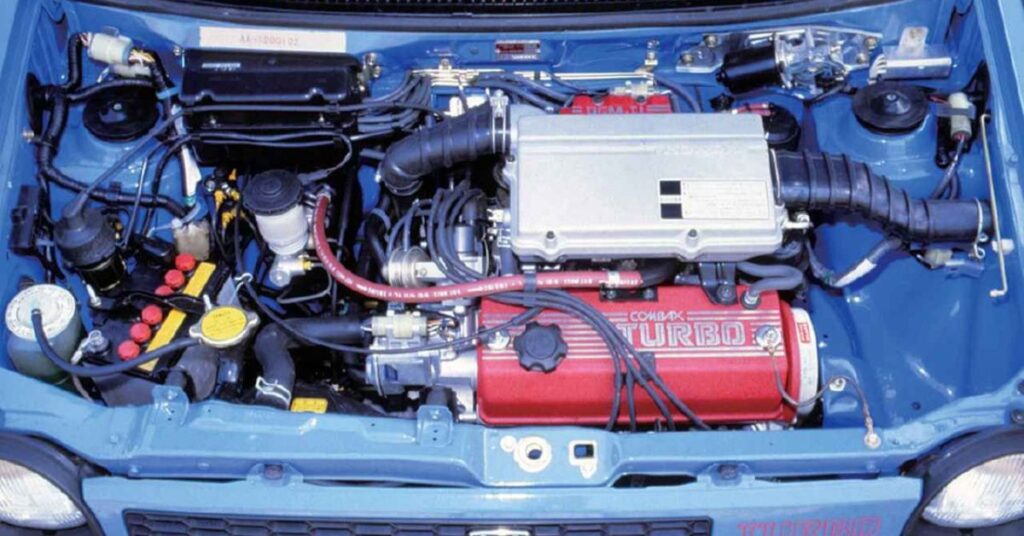
The lightweight body helped the Honda Today feel responsive around town. Its compact size made it easy to handle in narrow streets. Acceleration was suitable for daily driving. The car also offered simple and predictable handling.
Performance varied between different model years and engine versions. Some later models offered stronger performance than earlier ones. The Honda Today was not built as a sports car. Its main strengths were easy driving, low running costs, and practical city performance.
Fuel Economy
The Honda Today was designed with fuel economy in mind. Its small engine used less fuel than many larger cars. The lightweight body also helped reduce fuel consumption. This made the car suitable for daily city driving.
Fuel economy can vary by model year, engine, transmission, and driving conditions. Manual versions may deliver different results from automatic models. Traffic, road conditions, and driving habits also affect fuel use. Regular maintenance can help the engine run efficiently.
For buyers of an older Honda Today, fuel economy remains one of its useful features. Its small size and low weight can help keep running costs down. However, the condition of the engine and fuel system matters greatly. A well-maintained car can provide more consistent everyday economy.
Exterior Design
The Honda Today has a small and simple exterior. Its compact body suits busy city streets. The design focuses on practicality rather than aggressive styling. Its short dimensions also make parking easier.
The first generation had a boxy and straightforward shape. It featured clean lines and a simple front end. The second generation received a more rounded design. This gave the car a softer and more modern appearance.
The Honda Today also had a lightweight body. Its small size helped improve visibility while driving in tight spaces. Depending on the model year, exterior details and equipment can differ. Even today, its compact design gives it a unique classic kei car look.
Interior and Comfort
The Honda Today has a simple and practical interior. Its compact cabin uses space carefully. The seats provide enough comfort for short city trips. The simple dashboard also keeps controls easy to use.
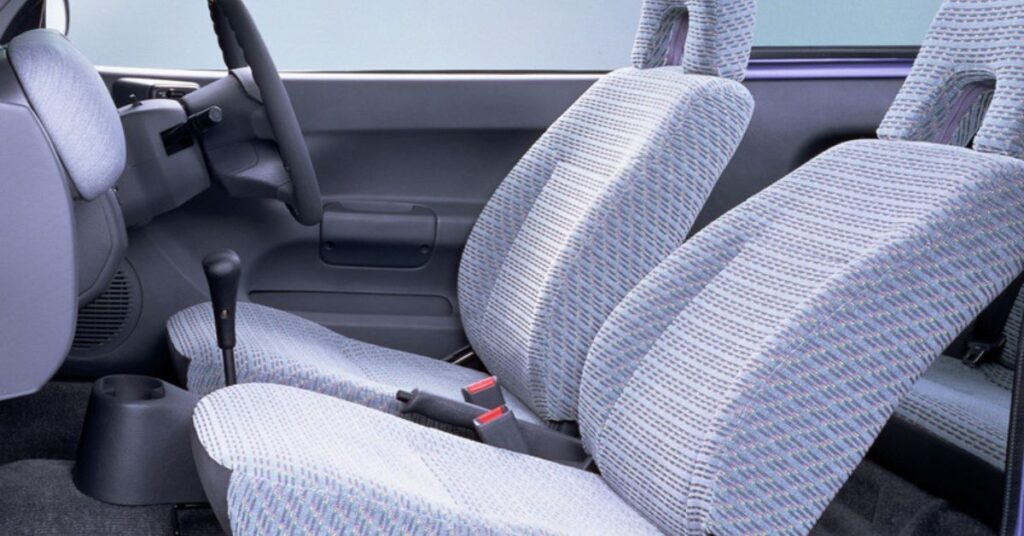
Later models offered a more modern cabin than earlier versions. Honda improved the layout and added useful features. The seating position gives the driver a clear view of the road. However, rear-seat and luggage space can feel limited.
Comfort depends on the model year and trim level. Some versions may have more features than others. The small cabin works best for daily city driving. For a compact kei car, the Honda Today offers a practical and easy-to-use interior.
Safety Features
The Honda Today was built with basic safety in mind. Its compact body gives the driver good visibility around the car. The small size also helps with easy control in busy streets. However, safety equipment varies by model year and trim.
Older Honda Today models have fewer modern safety features than newer cars. Some versions may include basic safety equipment such as seat belts and safety-focused body construction. Features like airbags and advanced driver assistance were not common across the entire range.
If you plan to buy a used Honda Today, check its safety condition carefully. Inspect the seat belts, brakes, tires, lights, and body structure. Also check which safety equipment came with the specific model. A well-maintained car can provide greater peace of mind.
Honda Today vs Rivals
The Honda Today competed with other small Japanese kei cars. Its main strengths were its compact size, light body, and easy city driving. Models such as the Suzuki Alto and Daihatsu Mira offered similar practicality. The Honda Today stood out with its simple design and Honda engineering.
| Feature | Honda Today | Suzuki Alto | Daihatsu Mira |
| Class | Kei car | Kei car | Kei car |
| Main market | Japan | Japan | Japan |
| Engine size | 550–660cc range | 550–660cc range | 550–660cc range |
| Body style | Small hatchback | Small hatchback | Small hatchback |
| Fuel economy | Good | Good | Good |
| City driving | Easy | Easy | Easy |
| Interior | Simple and practical | Simple and practical | Simple and practical |
| Handling | Light and easy | Light and easy | Light and easy |
| Maintenance | Relatively simple | Relatively simple | Relatively simple |
| Best for | City use and kei-car fans | Budget city driving | Practical daily use |
| Used appeal | Classic kei car | Popular small car | Practical classic kei car |
| Main advantage | Compact size and Honda design | Low running costs | Practicality and economy |
Honda Today Models
The Honda Today came in different versions during its production years. Honda introduced the first generation in 1985. It used a compact body and small engine for easy city driving. The second generation arrived in 1993 with updated styling and improved practicality.
Key model details include:
- First Generation (1985–1993): Simple design and compact dimensions.
- Second Generation (1993–1998): More rounded styling and updated features.
- Engine Options: Small kei-class engines focused on economy.
- Body Style: Mainly offered as a compact hatchback.
- Driving Focus: Designed for easy handling and daily city use.
Transmission and Handling
The Honda Today used manual and automatic transmission options, depending on the model and year. The gearbox was designed for simple daily driving. Manual versions gave drivers more control. Automatic versions offered easier driving in heavy traffic.
The small and lightweight body helped the Honda Today handle well in city streets. Its compact size made turning and parking easier. The steering felt light and manageable. This made the car comfortable to drive in tight areas.
Handling can vary between different versions of the Honda Today. Older cars may also feel different because of their age and condition. A well-maintained suspension and steering system can improve the driving experience. Overall, the Honda Today focuses on easy and practical handling rather than sporty performance.
Honda Today Price
The Honda Today is an older kei car, so its price can vary widely. In today’s used market, prices can range from around $1,500 to $8,000 USD. Clean and well-maintained examples usually cost more. Rare versions can also have higher prices.
The original price was lower when the Honda Today was new. Today, imported models may cost more because of shipping, taxes, and registration. The model year, mileage, condition, and trim also affect the price. In Pakistan, an imported Honda Today can cost roughly PKR 4 lakh to 15 lakh, depending on its condition and import costs.
Before buying, check the engine, transmission, suspension, and body condition. Compare several listings before making a decision. A cheaper Honda Today may need expensive repairs, so consider the total ownership cost.
Reliability and Maintenance
The Honda Today can be a reliable small car when it receives proper care. Its simple design makes routine maintenance easier. Regular oil changes and basic inspections help keep the engine running smoothly. However, most Honda Today cars are now several decades old.
Age can cause common problems in older cars. Rubber parts, belts, hoses, suspension components, and seals may wear out over time. The transmission and cooling system should also receive regular checks. Rust can become another concern, especially on poorly maintained examples.
Maintenance costs can stay reasonable when the car is in good condition. Use suitable replacement parts and follow a regular service schedule. Before buying a used Honda Today, inspect its engine, brakes, tires, suspension, and electrical system. A thorough inspection can help prevent unexpected repair costs.
Used Honda Today Market
The used Honda Today market mainly attracts buyers who like small and classic Japanese cars. Most available examples are older models. Their prices depend on mileage, condition, model year, and location. Clean cars with original parts can attract more attention.
Availability can vary from one country to another. Some Honda Today cars are sold locally, while others arrive through imports. Buyers should check the car’s history before making a purchase. Rust, accident damage, and poor repairs can reduce its value.
A used Honda Today can be a practical choice for city driving. It can also appeal to collectors who enjoy classic kei cars. Check the engine, transmission, suspension, and body carefully. A well-maintained example can offer good value for its age.
Conclusion
The Honda Today is a small and practical kei car with a unique history. Its compact size makes it easy to drive and park. Its simple engines can offer good fuel economy. The lightweight design also gives it a comfortable city driving feel.
Today, the Honda Today remains interesting to kei car fans and used-car buyers. Its age means buyers should check its condition carefully. A well-maintained model can still provide enjoyable and affordable driving. It remains a memorable part of Honda’s small-car history.
FAQs
1. What is the Honda Today?
The Honda Today is a small Japanese kei car designed mainly for affordable and easy city driving.
2. What engine does the Honda Today use?
It uses small kei-class engines, including 550cc and 660cc options, depending on the generation and model year.
3. Is the Honda Today fuel efficient?
Yes. Its lightweight body and small engine help it deliver good fuel economy for city driving.
4. How much does a used Honda Today cost?
Prices vary by condition, year, and location. Used examples can range from about $1,500 to $8,000.
5. Is the Honda Today reliable?
A well-maintained Honda Today can be reliable, but buyers should check age-related issues such as rust, worn parts, and engine condition.
No Responses